UPSC KEY: Kolkata Stampede, Right to access internet, and Calling Name Presentation
Source Entity
Roshni Yadav
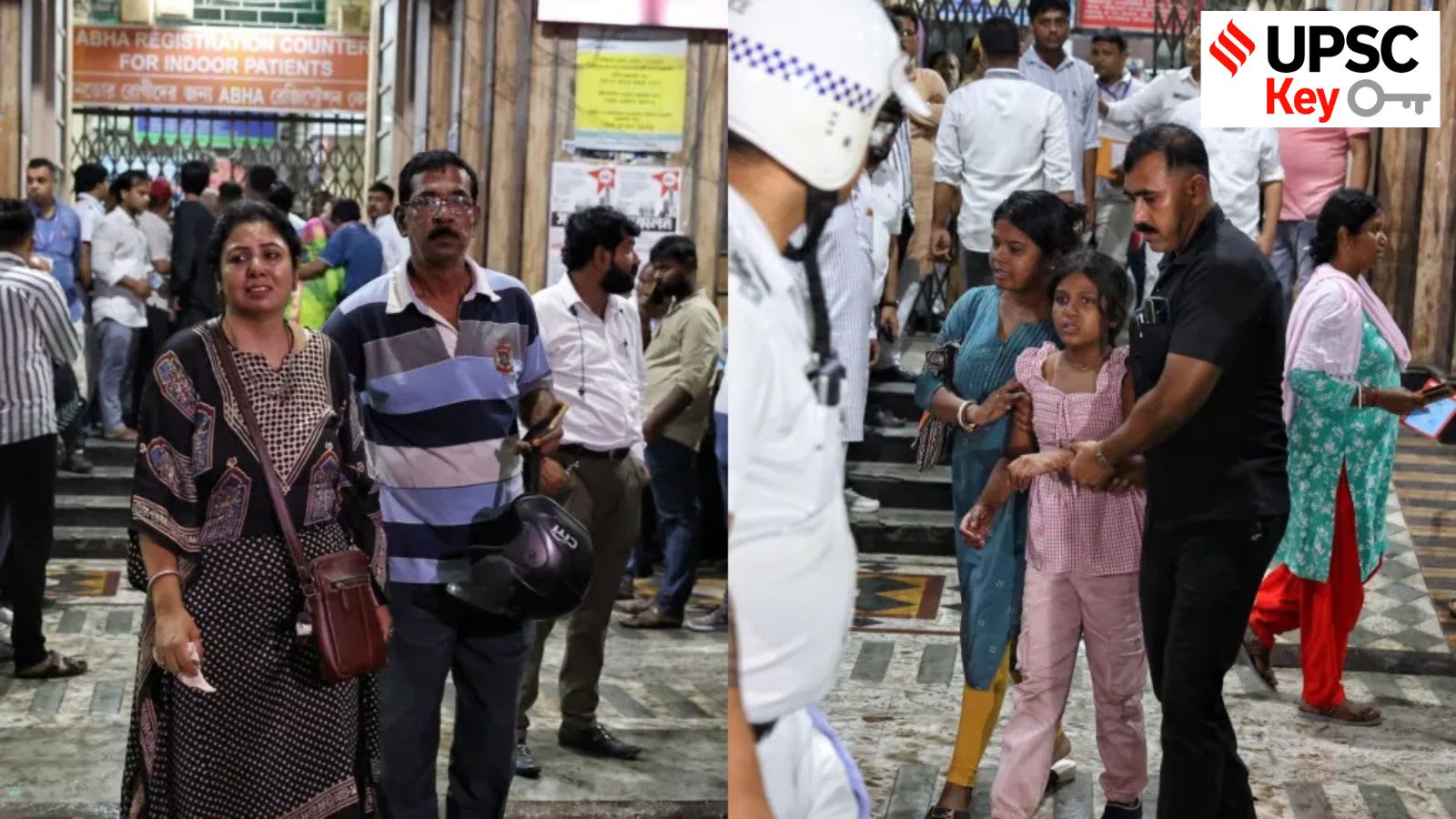
A tragic stampede at a Kolkata Durga Puja pandal resulted in 18 deaths and 25 injuries. This incident serves as a critical case study for disaster management and crowd control protocols in India.
The Kolkata Tragedy: A Critical Review of Crowd Dynamics
On the night of Saturday, October 17, 2026, a devastating stampede occurred at a prominent Durga Puja pandal in Kolkata, resulting in the tragic loss of 18 lives and leaving at least 25 others injured. This incident, occurring during one of West Bengal's most significant cultural and religious festivals, highlights the severe risks associated with mass gatherings in densely populated urban centers. As authorities begin their investigations, the event serves as a grim reminder of the necessity for rigorous safety compliance.
Understanding Stampede Mechanics and Causality
A stampede is defined as a sudden, uncontrolled rush of a large group of people, typically triggered by panic or a perceived threat. In the context of large-scale events like Durga Puja, the causes are often multifaceted, ranging from structural bottlenecks and inadequate entry-exit management to poor communication and overcrowding. When crowd density exceeds safe thresholds, individual agency is lost, and the physical force generated by the collective movement can lead to catastrophic crushing injuries, which appears to be the primary cause of the fatalities in this Kolkata incident.
The Role of NDMA Guidelines
The National Disaster Management Authority (NDMA) has established specific guidelines for crowd management in India, which emphasize the importance of systematic planning, resource allocation, and real-time monitoring. These guidelines advocate for clear signage, the creation of buffer zones, and the implementation of robust emergency response plans. The Kolkata tragedy raises urgent questions regarding the extent to which these national standards were integrated into the local pandal’s operational framework and whether enforcement mechanisms were sufficient to handle the sheer volume of devotees.
Challenges in Indian Crowd Management
Implementing crowd management strategies in India presents unique challenges, primarily due to the sheer scale of public participation in religious and cultural events. Urban infrastructure is often pushed to its limits during these periods, making it difficult to regulate movement effectively. Furthermore, the transient nature of temporary structures, such as pandals, means that safety assessments must be highly dynamic and strictly enforced under tight deadlines, creating significant hurdles for local law enforcement and event organizers.
Future Implications for Disaster Management
Moving forward, the Kolkata incident will likely serve as a focal point for the UPSC Civil Services Examination and policy discourse regarding disaster management. Effective crowd control requires a synthesis of technology—such as AI-driven crowd monitoring—and traditional administrative diligence. Future trends will likely necessitate stricter licensing requirements for large gatherings, mandatory independent safety audits, and improved inter-agency coordination to ensure that cultural celebrations do not come at the cost of human lives.
Conclusion
The tragedy in Kolkata is a sobering call to action for urban administrators and festival organizers across the country. By analyzing the failures in this specific instance, stakeholders must move toward a more proactive, technology-integrated, and disciplined approach to public safety. Strengthening the adherence to NDMA guidelines remains the most viable pathway to preventing future disasters in mass gathering environments.