Telangana’s El Niño contingency plan for uninterrupted water supply in rural areas
Source Entity
India Latest News: Top National Headlines Today & Breaking News | The Hindu
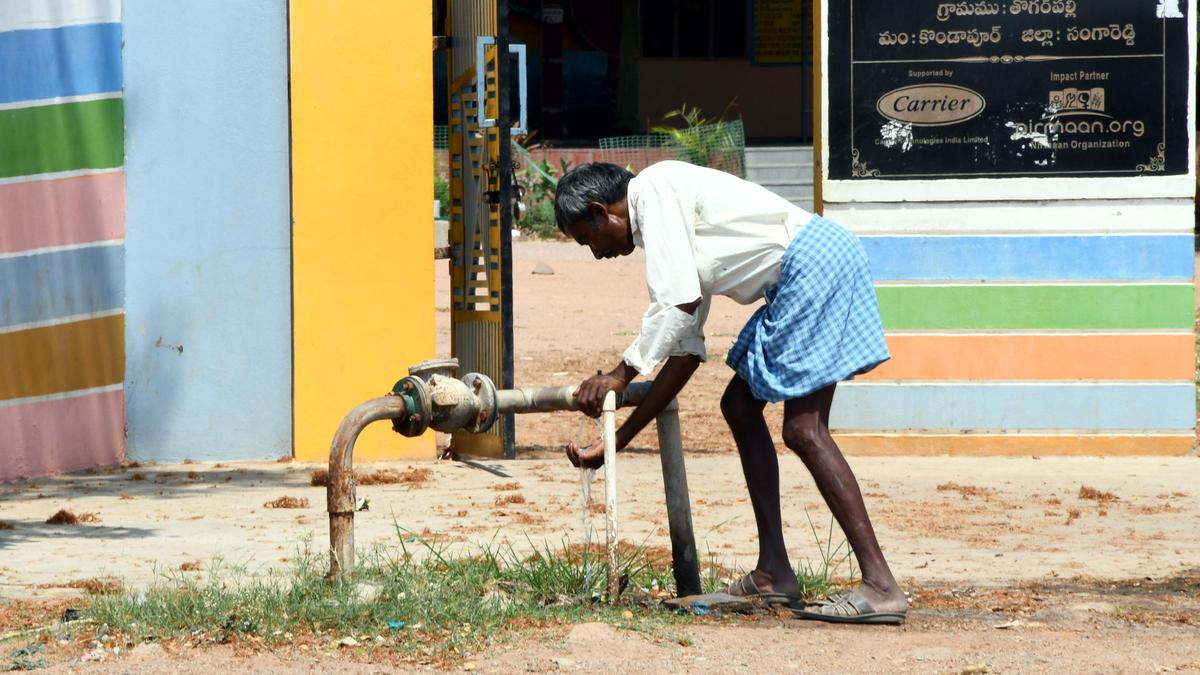
Telangana is implementing emergency water conservation strategies to combat potential El Niño-driven shortages. Officials are prioritizing drinking water, mandating consumption cuts, and accelerating infrastructure projects to mitigate the impact of significant rainfall deficits.
Addressing the El Niño Water Crisis in Telangana
The government of Telangana has initiated a proactive, state-wide contingency plan to secure drinking water supplies in anticipation of the adverse impacts of El Niño. With reports indicating that 13 out of 16 mandals in the Hyderabad district are facing a significant rainfall deficit, the urgency of the situation has necessitated immediate administrative intervention. Minister for Panchayat Raj and Rural Water Supply, Danasari Anasuya Seethakka, has mandated the development of habitation-wise summer action plans to ensure that the rural population remains insulated from potential water scarcity.
Infrastructure and Resource Management
A cornerstone of the government's strategy involves the rapid completion of borewell recharge structures and the construction of check dams. By identifying alternative water sources and prioritizing drinking water needs over irrigation requirements—beginning November 1—the administration aims to stabilize the supply chain. Furthermore, instructions have been issued to prevent damage to water pipelines during road construction, highlighting a focus on inter-departmental coordination to protect existing infrastructure.
The Urban Impact: Hyderabad's Escalating Demand
In the capital, Hyderabad, the strain on water resources has become increasingly palpable. Daily water tanker bookings have surged from 3,500 in October of the previous year to 7,000 in the current cycle, reflecting a critical increase in dependency on private and municipal water delivery. This spike, coupled with the ongoing rainfall deficit, has prompted the government to issue a formal appeal for households to reduce water consumption by at least 20%.
Strategic Conservation and Sustainability
To manage the strain on groundwater levels, officials are aggressively pursuing the integration of treated wastewater for non-potable uses. This includes diverting recycled water for construction, landscaping, and industrial activities, thereby preserving high-quality groundwater for human consumption. Special Chief Secretary Jayesh Ranjan has emphasized the need for a multi-pronged approach that includes electricity conservation, recognizing the inherent link between water extraction, pumping, and energy consumption.
Long-term Implications and Future Trends
This crisis response underscores the growing volatility of water security in the face of climate-driven phenomena like El Niño. The focus on short-duration crops and public awareness programs indicates a shift toward agricultural resilience, ensuring that rural livelihoods are not completely dependent on erratic monsoon patterns. As Telangana navigates these challenges, the success of these measures will depend on the effective implementation of recharge structures and the public's adherence to conservation mandates. The state’s ability to transition toward a circular water economy—where treated waste is normalized for secondary use—will be the defining factor in its long-term environmental sustainability.
Verification Required?