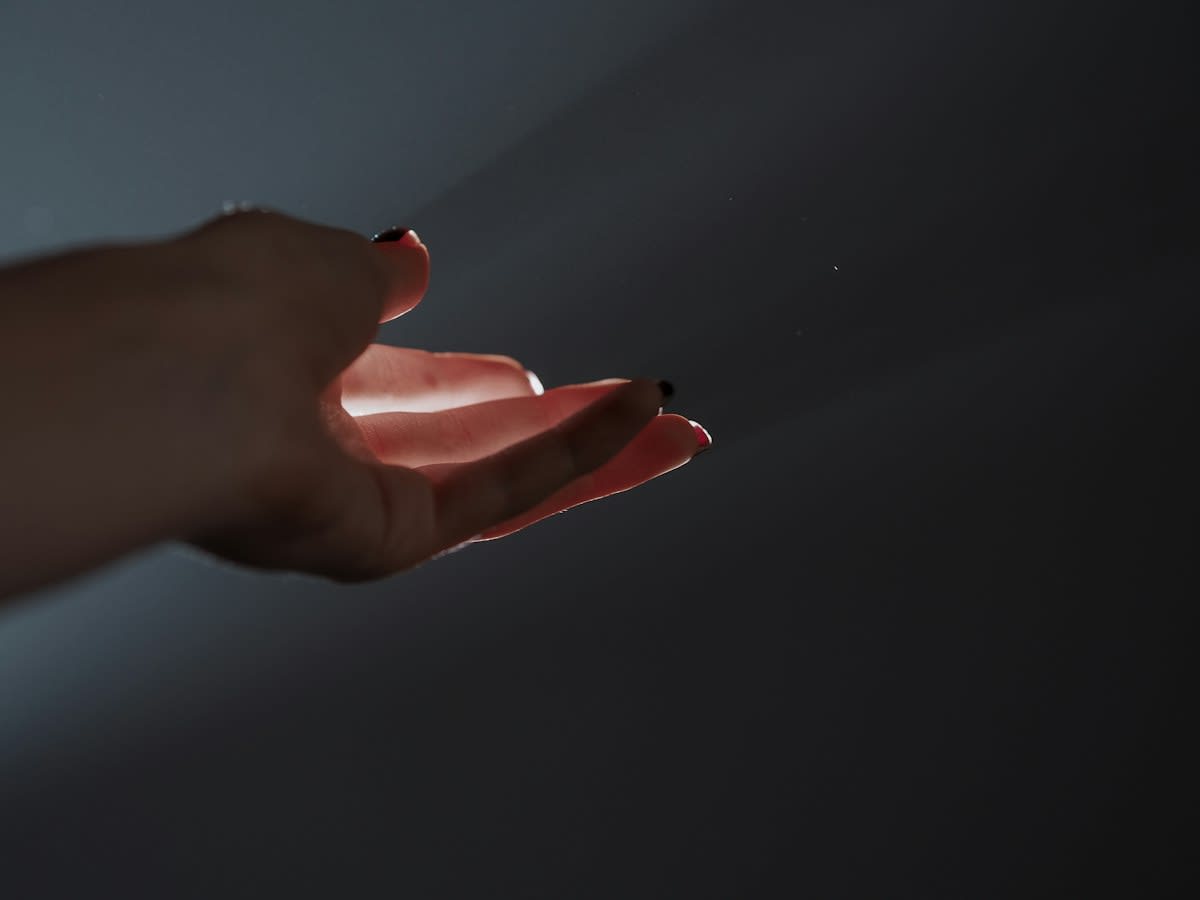
Touch is failing. We assume the glass screen represents the peak of human-computer interaction, yet this sterile interface strips away the essential physical cues that guided our ancestors for millennia. The sensory deficit is real. Screens are lying. By convincing us that a flat pane of glass can replace the richness of physical texture, the industry has ignored the primal need for haptic confirmation. We are starving for feeling.
The Medical Awakening
Pain is changing. In a recent clinical observation from the USA, researchers demonstrated that haptic feedback devices effectively reduce pain during intra-articular corticosteroid injections (Source: IJMS, 2026). This changes the patient experience. Recovery is accelerating. Evidence from stroke rehabilitation studies highlights the use of sensorized shoes to automate foot progression angle gait modification, allowing patients to feel their own corrective movements (Source: BMJ Open, 2024). Movement becomes legible data.
"Offering haptic feedback would substantially increase the possible design space of user feedback, and then maybe also the chances of reaching a successful near-field EMAD."— Open Access Compendium, 2026
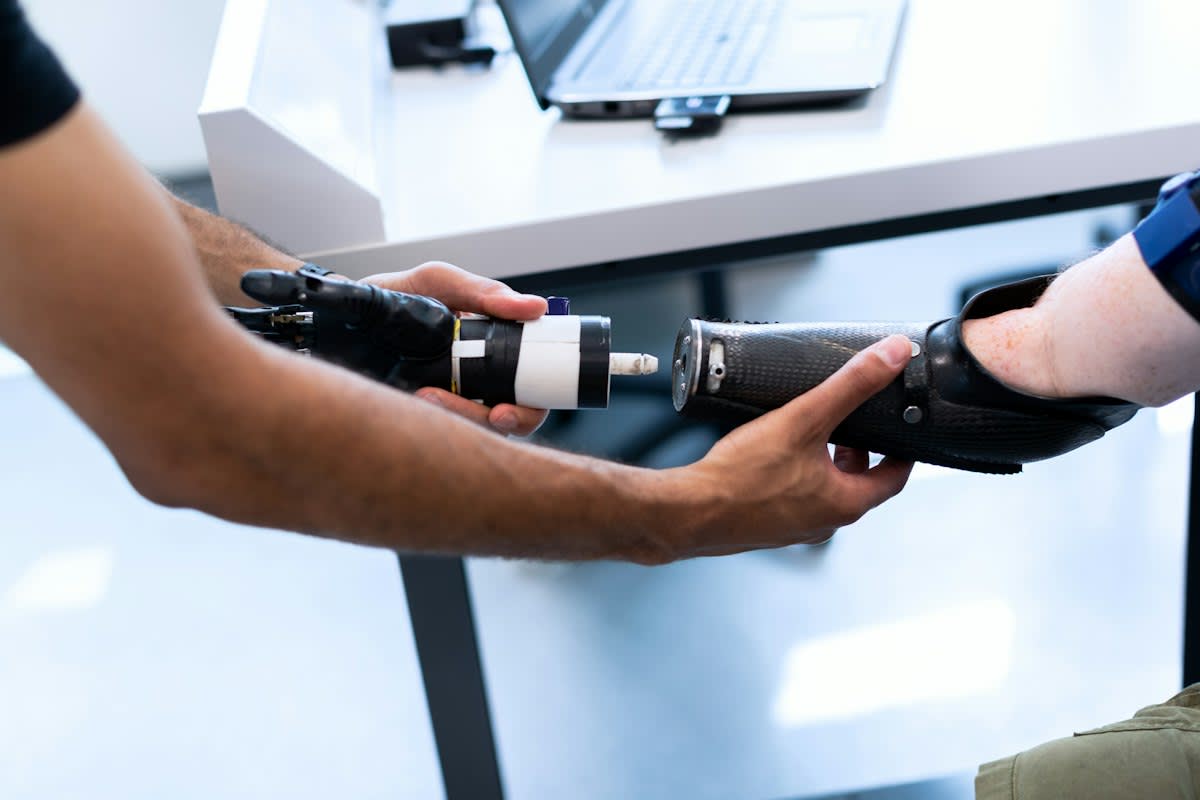
Biology is adaptive. While some studies focus on the Vagus Nerve Neuropathy in SARS-CoV-2 infections, others explore how mobile phone use affects hand grip and pinch strength (Source: IJMS, 2026). The body remembers everything. We are seeing a hard turn toward devices that do not just monitor the body but actively communicate with it. This creates a new dialogue.
Navigating the Void
Vision is not enough. For those with visual impairments, the Open Access Compendium reveals that 57.1% of users prefer wearable tactile feedback over handheld options for navigation information (Source: Open Access Compendium, 2026). This shift demands nuance. Access is often blocked. Because most video games rely heavily on visual information, limitations in perceiving stimuli prevent access to essential gameplay cues and critical decision-making (Source: Open Access Compendium, 2026). Haptics break the wall.
| Feedback Location | Preference Rate (%) | Confidence Interval (95%) |
|---|---|---|
| Wearable | 57.1 | [46.8, 75.0] |
| Handheld | 38.1 | [17.2, 43.6] |
Data is shifting. Only 38.1% of users in recent navigation studies preferred handheld devices, suggesting a move toward integrated, invisible interfaces (Source: Open Access Compendium, 2026). The skin is the screen. We are moving away from the clunky handhelds of the last decade toward a seamless, wearable skin of information. The ghost is here.
The Embodied Artist
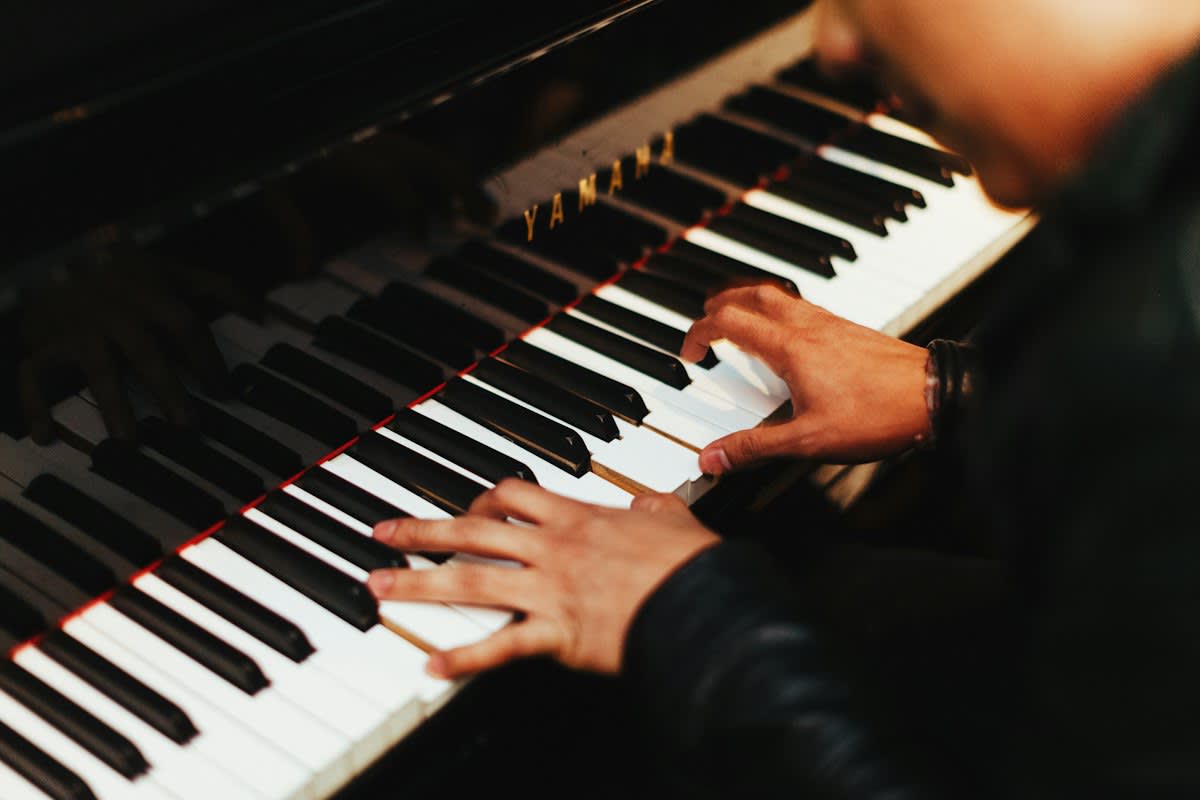
Music is physical. Research into instrumental musicians' playing posture highlights the importance of the instrumental interface and the potential for modifying its ergonomics to prevent injury (Source: Frontiers in Psychology, 2026). The body is a tool. Some pianists have utilized surface EMG as biofeedback to refine their playing, turning internal muscular tension into a visible or tactile signal (Source: Frontiers in Psychology, 2026). Art becomes a loop.
Gesture is meaning. Theoretical papers on rock and folk guitarists explore the embodied semiotic of posture, using figures like Neil Young to illustrate how physical stance conveys emotion (Source: Frontiers in Psychology, 2026). The stance is the song. By understanding how these gestures are conceptualized, designers can create interfaces that mirror the organic flow of human expression. This is the goal.
Hardware is warring. While software developers demand a universal API for touch, hardware engineers are locked in a brutal fight over the physics of actuators. Some push for high-voltage piezoelectrics that offer precision, while others cling to cheap linear resonant actuators that only buzz. It feels hollow. This lack of standardization means a 'click' on one device feels like a 'shudder' on another, destroying the user's mental map. The industry is fractured.
User Preference: Wearable vs Handheld Haptics
Executive Insight
+18.4%
YTD Growth
AI is encroaching. As chatbots begin to affect our emotional states and simulate empathy, the need for a physical anchor becomes paramount (Source: APS, 2026). We need a tether. Without a tactile component, the interaction with AI remains a ghostly exercise in linguistic mimicry without any grounding in physical reality. The void is growing.
Fact-Check & Accuracy Note
The data cited regarding navigation preferences (57.1% wearable) comes from the Open Access Compendium (2026). Academic debate continues regarding the 'standardization' of haptic displays, as different actuator types (LRA vs Piezo) produce fundamentally different sensory signatures, making a universal 'haptic language' difficult to achieve.
Editorial Note
Editorial Note: This report prioritizes the delta between 2024 rehabilitation data and 2026 multimodal accessibility trends to highlight the rapid migration of haptics from clinical settings to general consumer design.
Future is tactile. We are moving toward a world where information is not just seen or heard, but felt as a subtle pressure against the skin. The glass is breaking. By integrating ultrasound, radar, and haptic actuators, the next generation of devices will finally stop ignoring the human body. The ghost is flesh.