Iran's Supreme Leader Khamenei orders officials to end ‘neither war nor peace situation’ with US
Source Entity
Latest News: Todays Latest News Headlines from India & World | Hindustan Times
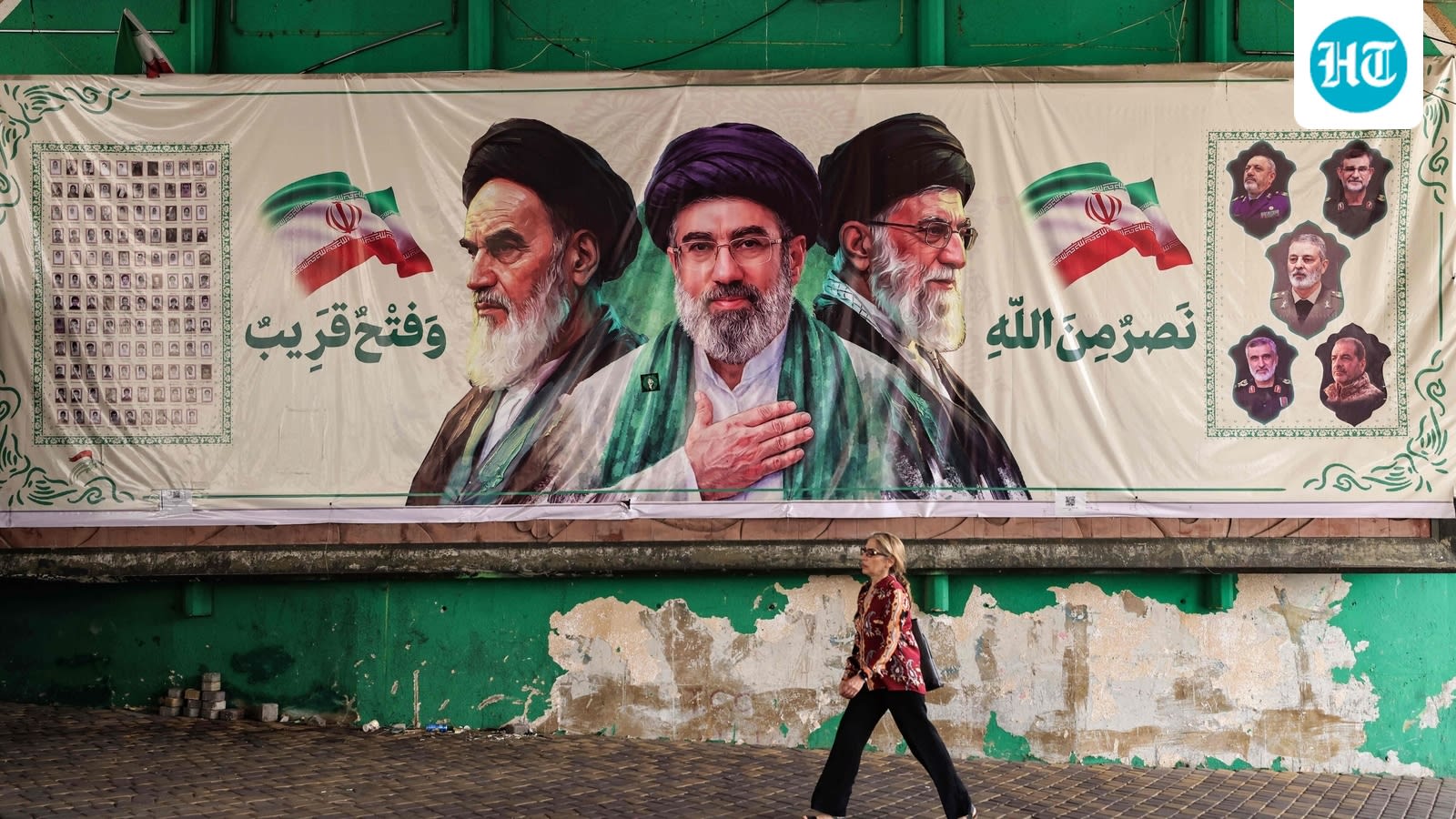
Iran’s Supreme Leader Ali Khamenei has directed officials to resolve the long-standing 'no-war, no-peace' impasse with the United States. President Masoud Pezeshkian confirmed that while Tehran remains open to negotiations, it will reject any form of external pressure or threats.
A Shift in Iranian Foreign Policy Strategy
Recent reports indicate a significant pivot in the geopolitical stance of the Islamic Republic of Iran. President Masoud Pezeshkian has formally stated that Supreme Leader Ali Khamenei has issued a directive to abandon the long-standing 'no-war, no-peace' posture regarding the United States. This state of strategic ambiguity, which has characterized the bilateral relationship for decades, appears to be under review as Tehran grapples with the complexities of regional instability and domestic economic pressures.
The Mechanics of the 'No-War, No-Peace' Doctrine
For years, the 'neither war nor peace' situation served as a buffer, allowing Iran to project power through regional proxies and asymmetric warfare while avoiding direct, all-out military confrontation with the United States. This policy was designed to maintain a level of defiance against Western sanctions and diplomatic isolation without triggering a total kinetic conflict. By ordering an end to this status quo, the Supreme Leader is signaling that the current model may no longer serve Iran's national interests or security objectives.
Navigating the Path to Potential Negotiations
President Pezeshkian’s confirmation of this directive suggests a willingness to explore diplomatic avenues. However, this openness is heavily caveated. The Iranian leadership maintains that any engagement with the United States must be conducted on their terms, explicitly rejecting any negotiations perceived to be under duress or threat. This dual approach—seeking a resolution while maintaining a hardline stance against coercion—reflects the internal balancing act faced by the Iranian government as it attempts to navigate its international standing.
Broader Regional and Global Implications
The decision to potentially move away from this stalemate carries profound implications for the Middle East. If Iran seeks to solidify a new framework for its relationship with Washington, it could lead to a de-escalation of tensions across various theaters of conflict. Conversely, if these efforts at negotiation fail to materialize due to mutual distrust or hardened positions on nuclear and regional policies, the abandonment of the 'no-war, no-peace' status could inadvertently accelerate the risk of direct confrontation.
Historical Context and Future Trajectories
The history of US-Iran relations is marked by deep-seated hostility and the absence of formal diplomatic channels since the 1979 Revolution. Moving beyond the current impasse requires overcoming decades of institutionalized mistrust. As Tehran signals this shift, the international community will be watching to see if this directive translates into tangible policy changes or if it is merely a rhetorical evolution designed to manage internal political optics. The future of this relationship remains precarious, contingent upon the willingness of both Tehran and Washington to move past entrenched historical grievances.
Verification Required?