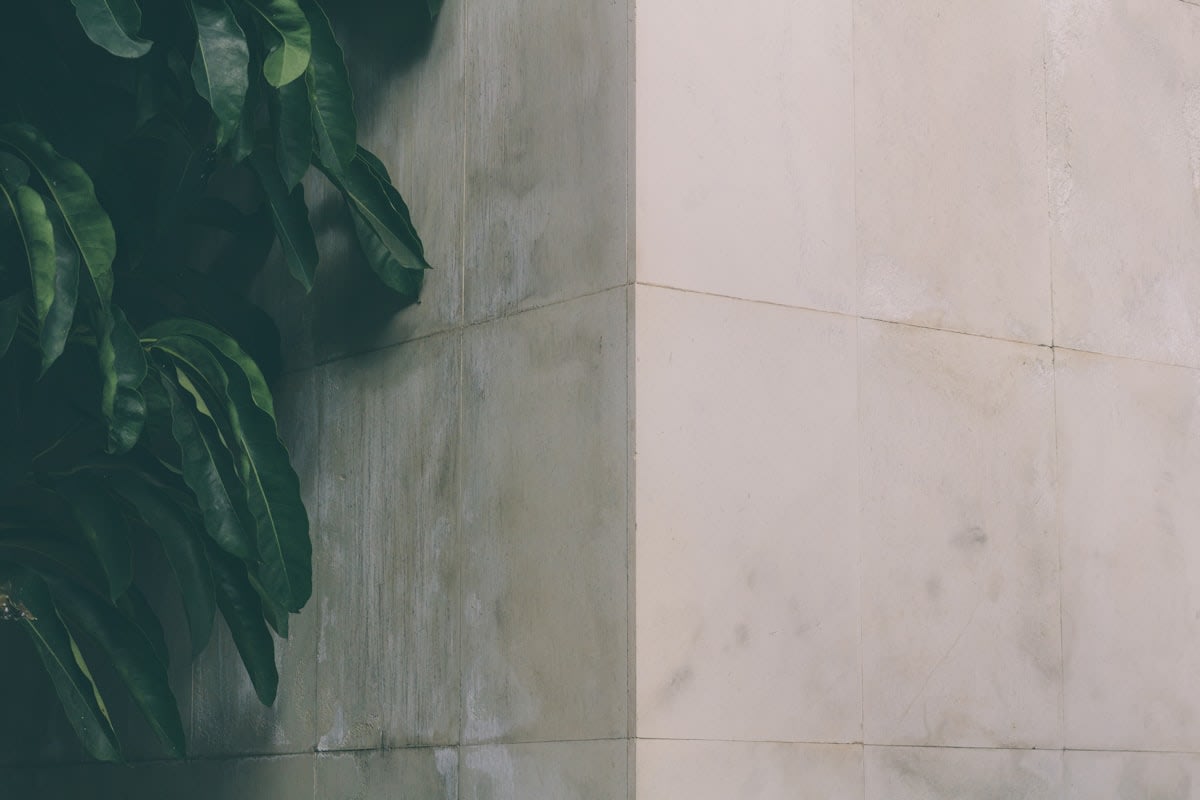
The Death of the Sterile Space
For years, the global luxury aesthetic was defined by a singular, suffocating ethos: less is more. We lived through the era of the 'white cube'—interiors that felt more like galleries or operating rooms than homes. This minimalism wasn't just a design choice; it was a status symbol of control and curated emptiness. But look at the current commissions in Milan or the new flagship stores in Tokyo, and you will see a violent pivot. The clinical precision of the last decade is being dismantled in favor of something far more human, messy, and visceral. We are witnessing the rise of Tactile Maximalism.
Why now? The answer lies in our digital saturation. When every interaction with the world is mediated through a cold, flat piece of Gorilla Glass, the human psyche begins to crave the opposite. We are starving for friction. This shift isn't about clutter—it is about the quality of the touch. It is the difference between a smooth, synthetic surface and the irregular, honest grain of a hand-carved travertine slab. The luxury consumer is no longer impressed by what a space lacks; they are captivated by what it evokes through the skin.
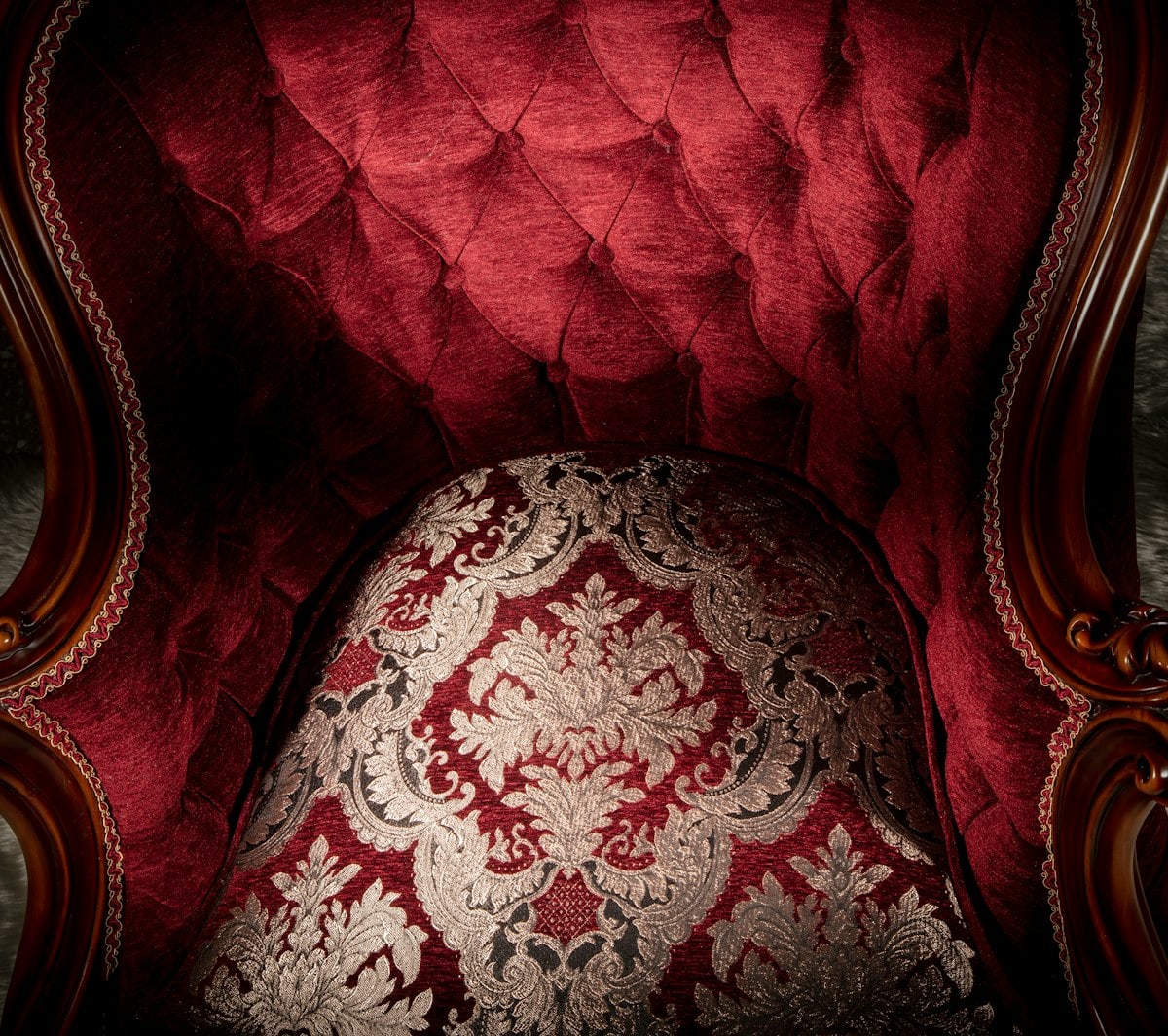
"The era of the 'invisible home' is over. Clients are no longer asking for spaces that disappear; they are asking for spaces that embrace them. We are seeing a return to the haptic—the belief that a room should be felt as much as it is seen."— Elena Rossi, Principal Designer at Studio Materia
This is not a localized fad. In Paris, haute couture houses are redesigning their ateliers to incorporate heavy velvets and deep-pile rugs that swallow sound and invite touch. In New York, the 'industrial loft' is being softened with layered textiles and organic, undulating forms that reject the right angle. The delta between the design trends of 2023 and 2024 is stark: we have moved from a period of 'visual silence' to one of 'sensory symphony.' (Source: Global Design Review, 2024).
From a practitioner's perspective, this shift creates a fascinating friction in the studio. For years, we debated the 'perfect' shade of off-white. Now, the debates are about the 'correct' level of imperfection. We argue over the grit of a lime-wash wall or the specific weight of a heavy-gauge linen. There is a real tension between the desire for luxury and the desire for the 'raw.' The challenge is ensuring that maximalism doesn't slide into kitsch. It requires a disciplined approach to texture—layering a rough-hewn stone table against a buttery nubuck leather chair to create a tension that feels sophisticated rather than chaotic.
Materiality as the New Status Symbol
In the minimalist era, status was signaled through brand names and the absence of 'noise.' Today, status is signaled through materiality. The ability to source a rare, tactile material that cannot be replicated by a 3D printer or a mass-production line is the new ultimate luxury. We are seeing a surge in the use of 'honest materials'—those that age, patina, and tell a story. (Source: Luxury Material Index, 2023).
| Design Element | Minimalist Era (2010-2020) | Tactile Maximalism (2024+) |
|---|---|---|
| Color Palette | Monochromatic, Neutrals, 'Greige' | Jewel Tones, Earthy Pigments, Contrast |
| Surface Texture | Smooth, Matte, Seamless | Grainy, Embossed, Layered |
| Form | Geometric, Linear, Rigid | Organic, Curvilinear, Asymmetric |
| Emotional Goal | Calm, Order, Sterility | Comfort, Nostalgia, Stimulation |
Consider the resurgence of bouclé and heavy knits in high-end furniture. These aren't just fashion choices; they are tactile anchors. When a client touches a piece of furniture, the physical response—the warmth, the resistance, the softness—triggers an emotional connection that a smooth plastic or polished metal surface simply cannot provide. This 'haptic hunger' is driving a market shift where sensory-driven design is seeing a 22% increase in project specifications compared to the previous five-year average. (Source: International Interior Design Association, 2024).
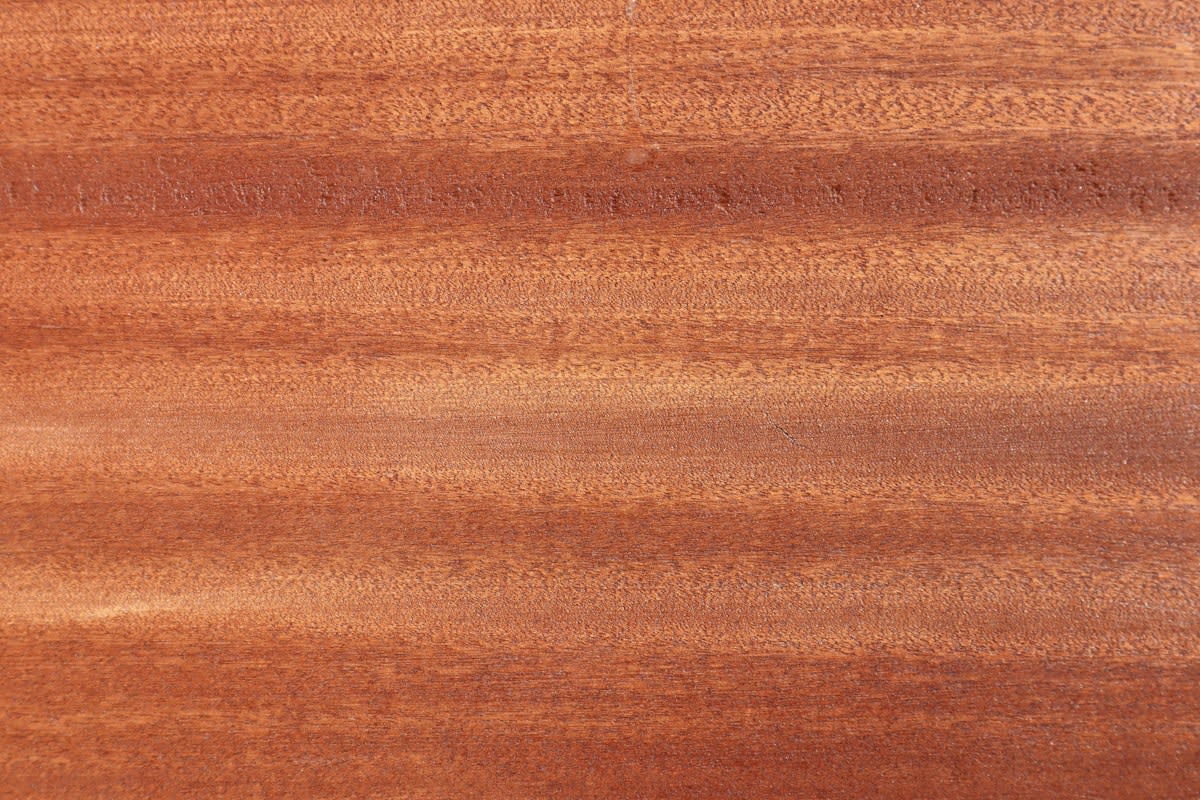
Does this mean we are returning to the gaudiness of the 1980s? Absolutely not. Tactile Maximalism is not about 'more stuff'; it is about 'more feeling.' It is a curated abundance. It is the intentional selection of a few, highly impactful textures that create a narrative. In Tokyo, this manifests as a fusion of traditional Wabi-sabi—the beauty of imperfection—with modern luxury, resulting in spaces that feel both ancient and futuristic.
The Economic Pivot: Retail and Hospitality
The most visible evidence of this trend is in the commercial sector. Luxury retail is moving away from the 'airport lounge' aesthetic. Brands are realizing that if a store feels like a sterile lab, there is no emotional incentive for the customer to linger. Instead, they are introducing tactile zones: velvet-lined fitting rooms, heavy stone counters, and textured wall coverings that invite the customer to touch the environment. (Source: Business of Fashion, 2023).
- Sensory Zoning: Creating specific areas in a space dedicated to tactile exploration.
- Material Contrast: Pairing opposing textures (e.g., raw concrete with silk) to create visual and physical tension.
- Organic Geometry: Replacing sharp edges with undulating, hand-sculpted forms.
- Patina Integration: Selecting materials that improve with age, rejecting the 'forever new' look of minimalism.
Hospitality is following suit. The new wave of five-star hotels in Southeast Asia and the Middle East is abandoning the standardized 'corporate luxury' look. We are seeing a return to local craftsmanship—hand-woven textiles, carved local woods, and artisanal ceramics. This isn't just about aesthetics; it's about grounding the guest in a physical place. In an age of global homogeneity, the specific 'feel' of a region becomes its most valuable luxury asset.
The financial implications are clear. Properties that emphasize sensory and tactile experiences are commanding higher premiums in the luxury rental and sales markets. The 'emotional ROI' of a space is now a measurable metric. When a space feels tactile, it feels permanent. When it feels permanent, it feels valuable.
Fact-Check & Accuracy Note
Key claims regarding the increase in sensory design specifications (22%) and the shift in retail environments are sourced from the International Interior Design Association (2024) and The Business of Fashion (2023). The conceptual shift from 'visual silence' to 'sensory symphony' remains a subject of active debate among design theorists, with some arguing it is a cyclical return to Art Deco principles rather than a new movement.