Negotiations moving at incredible pace: Sergio Gor on India-US trade deal
Source Entity
Shubhajit Roy
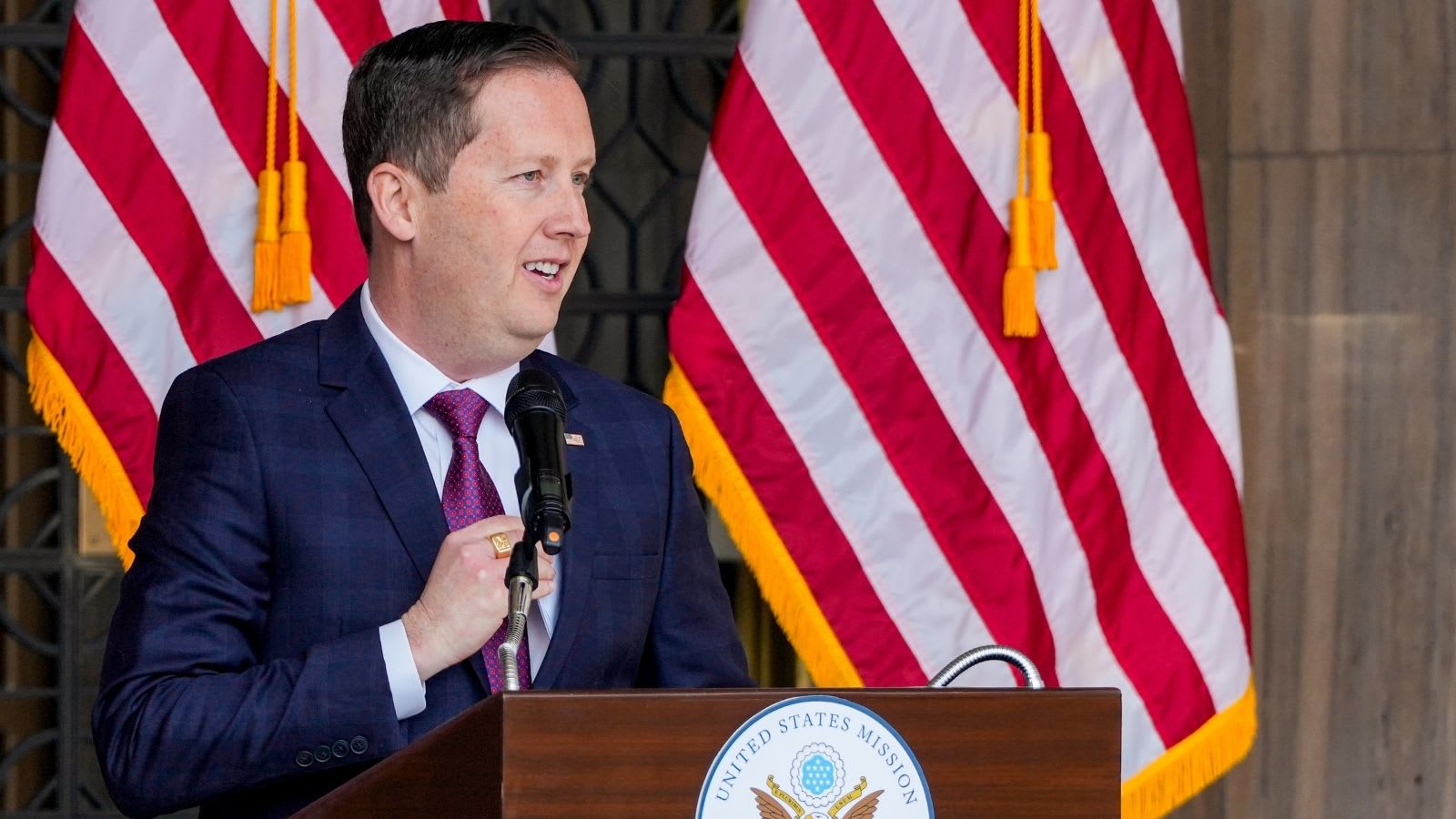
US Ambassador Sergio Gor has signaled that a bilateral trade deal with India is nearing completion, with significant progress already made. The upcoming visit of US Secretary of State Marco Rubio to India has sparked political debate, as the opposition questions the lack of official communication from the Indian government regarding scheduled meetings.
Strengthening the US-India Economic Corridor
The recent statements by US Ambassador to India, Sergio Gor, signal a potential turning point in the bilateral economic relationship between the two nations. During his address at the Bloomberg New Economy Forum, Ambassador Gor characterized the progress of current trade negotiations as moving at an "incredible pace," suggesting that the most complex obstacles—often referred to as "big items"—have been successfully navigated. This momentum indicates a deepening strategic alignment, moving beyond traditional defense cooperation into the realm of robust, long-term trade integration.
The Strategic Significance of the Rubio Visit
US Secretary of State Marco Rubio’s upcoming visit to India, scheduled for October 19-22, appears to be heavily weighted toward business and economic diplomacy. By focusing his itinerary on Mumbai and Jamnagar, Secretary Rubio is signaling a pivot toward engaging directly with India’s industrial powerhouses. The scheduled visit to Jamnagar, specifically the engagement with Reliance Industries, underscores the importance of the energy and manufacturing sectors in the current US-India dialogue. This visit serves as a precursor to finalizing the framework of the trade deal mentioned by Ambassador Gor.
Diplomatic Transparency and Political Scrutiny
As the visit approaches, the discourse has shifted toward the diplomatic protocols surrounding the interaction between Secretary Rubio and External Affairs Minister S. Jaishankar. The Indian National Congress, led by Jairam Ramesh, has formally questioned the Ministry of External Affairs (MEA) regarding its silence on the proposed meetings. The opposition’s critique highlights a perceived lack of transparency, arguing that the US Ambassador has been more forthcoming with details regarding the itinerary than the Indian government itself. This friction underscores the delicate balance the MEA must maintain while negotiating high-stakes international agreements.
The Future of Trade Relations
The "very close" nature of the trade deal, as described by Ambassador Gor, suggests that both administrations are prioritizing quick wins to bolster economic ties before the end of the fiscal cycle. If successful, this agreement could streamline regulatory hurdles and increase foreign direct investment, potentially serving as a model for future US-India economic frameworks. The focus on business-centric diplomacy in Mumbai suggests that the US is keen to leverage India’s private sector to accelerate these economic goals.
Conclusion: Assessing the Path Forward
While the technical negotiations appear to be in their final stages, the political atmosphere in India remains charged. The government’s forthcoming response to the Congress party’s queries will be essential in shaping the narrative of this visit. Ultimately, the successful culmination of this trade deal would solidify a new era of cooperation, provided that the administration can maintain both the momentum of the talks and the confidence of the domestic political landscape.