Gasping for clean air: Singapore battles relentless haze as Prime Minister Wong warns of action
Source Entity
US Top News and Analysis
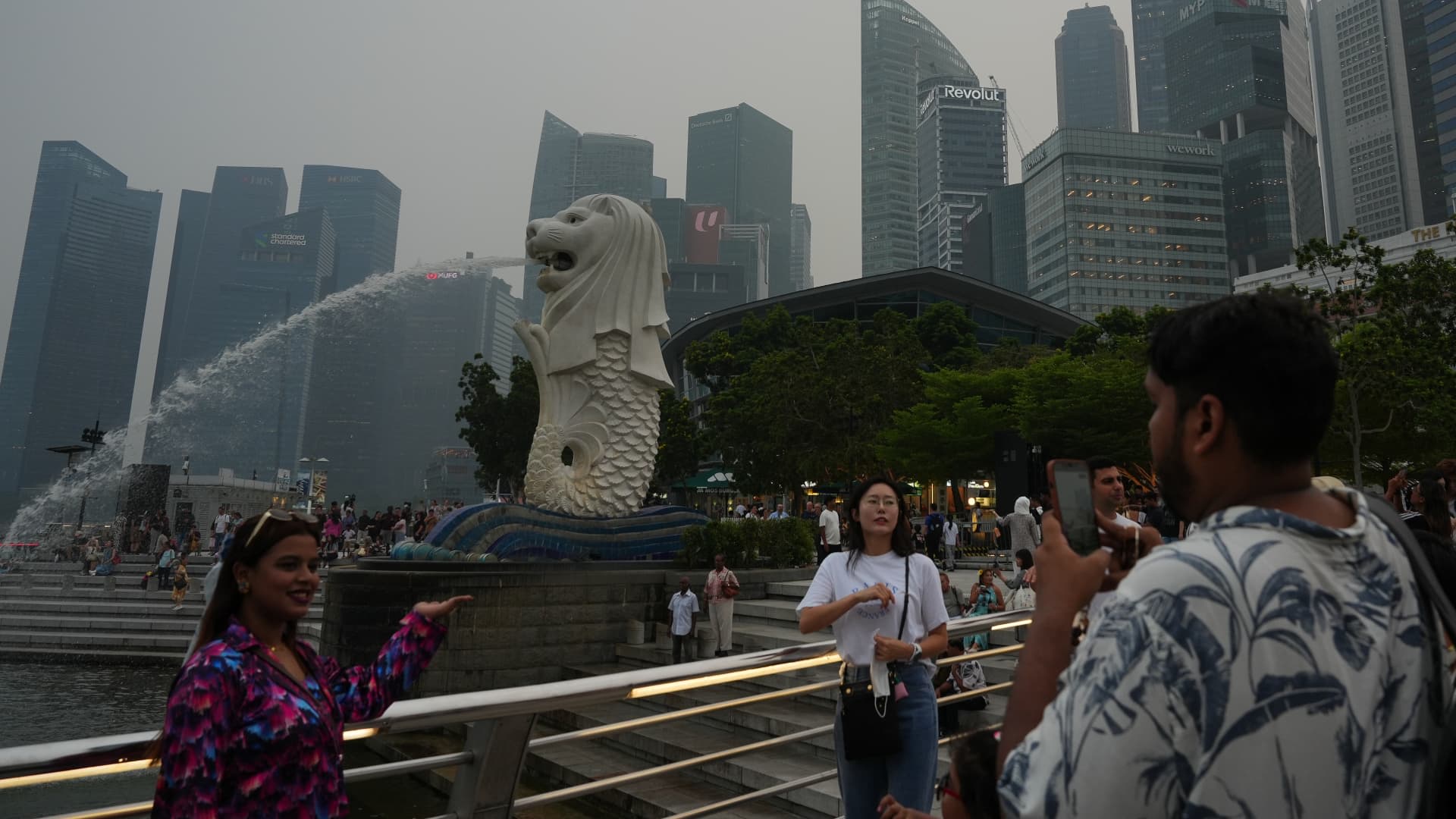
Singapore is facing severe air quality degradation due to transboundary haze linked to Indonesian forest fires. Prime Minister Lawrence Wong has pledged potential legal action against responsible firms while seeking regional cooperation to mitigate the crisis.
The Return of the Haze: Singapore’s Environmental Crisis
Singapore is currently confronting a significant environmental challenge as thick, hazardous haze blankets the city-state, obscuring iconic landmarks like the Merlion and disrupting the daily routines of millions. This latest episode, which saw air quality plummet to unhealthy levels starting September 4, 2026, marks the first such occurrence in nearly three years. The persistent smog serves as a stark reminder of the city's vulnerability to regional environmental conditions, specifically transboundary haze originating from land and forest fires in neighboring Indonesia.
The Legal and Diplomatic Front
In response to the deteriorating air quality, Prime Minister Lawrence Wong has adopted a firm stance, signaling that the Singaporean government will not remain a passive observer. Utilizing the Transboundary Haze Pollution Act, authorities are investigating companies that may be implicated in the fires. This legislative tool represents a critical mechanism for holding corporate entities accountable for environmental damage that crosses sovereign borders, reflecting a broader shift toward legal enforcement in regional climate governance.
Economic and Social Implications
The impact of this haze extends far beyond aesthetic obstruction; it poses tangible risks to public health and the local economy. Prolonged exposure to poor air quality forces businesses to adapt, increases healthcare burdens, and disrupts outdoor activities, which are central to life in a high-density urban environment. As visibility drops, the city-state’s reliance on clear air for its aviation, tourism, and maritime sectors highlights the fragility of its economic activity in the face of ecological instability.
Regional Cooperation and Future Trends
Prime Minister Wong’s outreach for joint action with neighboring countries emphasizes that the haze issue cannot be solved by Singapore in isolation. Historically, the ASEAN region has struggled with the 'haze season,' a recurring phenomenon linked to the clearing of land for agriculture. Future trends suggest that as climate patterns shift and extreme weather becomes more frequent, the pressure on regional governments to enforce stricter land-use regulations will intensify to prevent further ecological and economic damage.
Conclusion: A Path Toward Mitigation
While Singapore continues to implement protective measures to safeguard its citizens, the long-term resolution of this crisis remains tied to regional environmental policy. The commitment to pursue legal avenues against those responsible for the fires marks a pivotal moment in the discourse on corporate responsibility in Southeast Asia. Moving forward, the effectiveness of these measures will depend on the strength of international collaboration and the willingness of regional stakeholders to prioritize sustainable land management over short-term industrial gain.