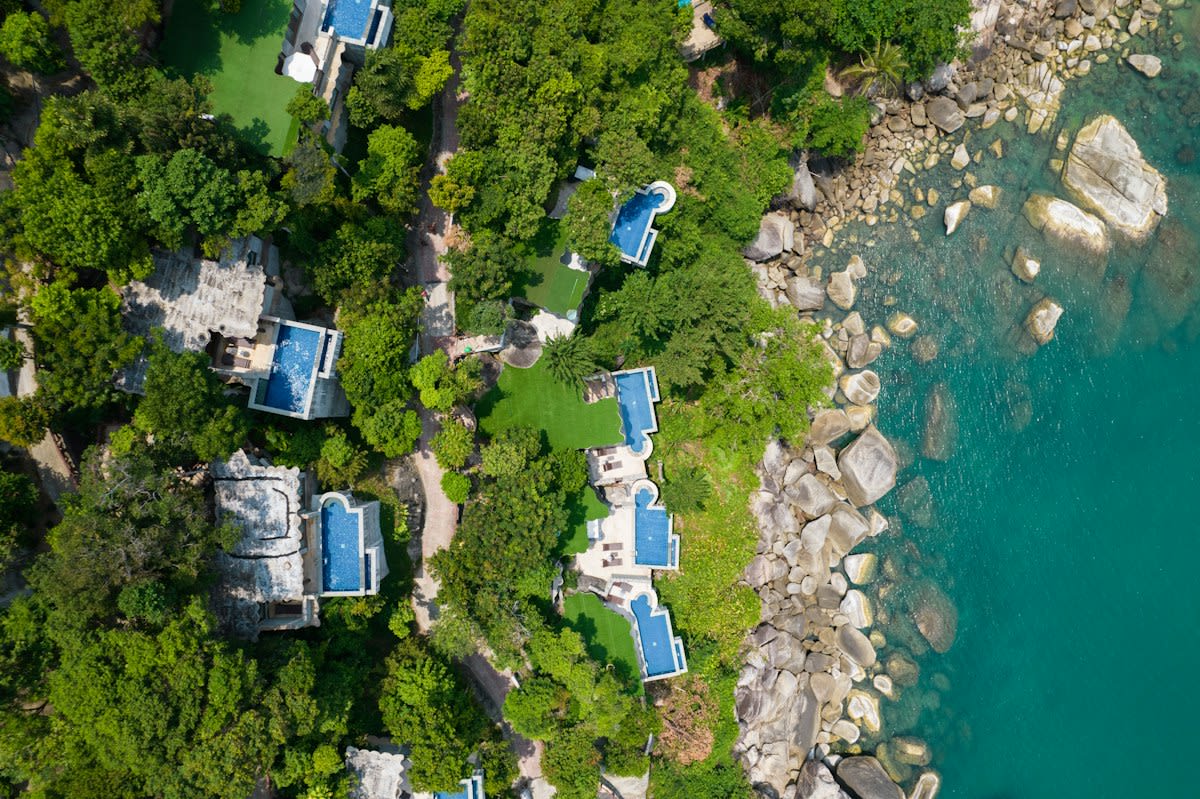
Arrivals meet new walls. 1,000,000 visitors annually flood Koh Phangan (Source: Bloomberg, 2026). This volume creates a salt-burned atmosphere where welcome signs now mask deeper social tensions. Foreigners stepping off the pier encounter an environment where luxury beachfront plots are marketed as high-yield investments. This aggressive commercialization breeds a resentment that extends far beyond a single island. The current state of entry into Thailand reflects a nation reconsidering its openness to the world.
Koh Phangan serves as the primary case study for this friction. With a local population of fewer than 10,000, the island is overwhelmed by the sheer scale of overseas arrivals (Source: Bloomberg, 2026). Locals report that foreign-linked businesses are altering the local terrain beyond recognition. The proliferation of clifftop villas and luxury estates has pushed residents out of their own ancestral lands. This is no longer a simple tourism boom but a structural takeover of coastal property.
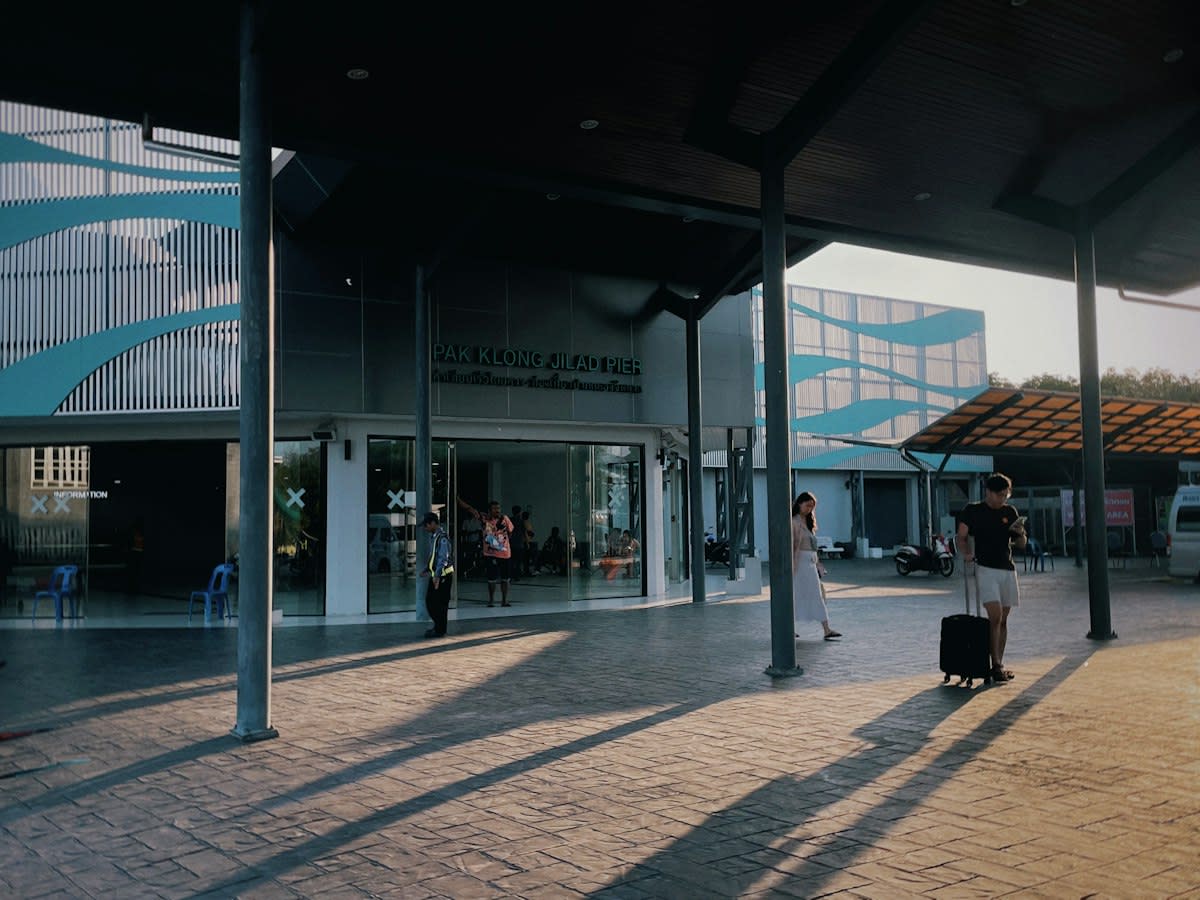
Land ownership has become the primary flashpoint. Billboards touting high-yield investments dominate the palm-fringed roads, signaling a transition from hospitality to speculation (Source: Bloomberg, 2026). This pattern mirrors similar tensions seen in emerging hubs like Jakarta or Mumbai, where global capital often displaces local inhabitants. In Thailand, the resentment is now spreading across the country, affecting how arrivals are perceived in both the south and the north. The welcome is no longer unconditional; it is scrutinized through the lens of economic displacement.
The Environmental Barrier
Weather disrupts the arrival. 31 deaths have been recorded from flooding since mid-September (Source: Greenwich Time, 2026). Flash floods and thunderstorms now plague upper Thailand, creating a dangerous entry point for travelers. Bangkok authorities are fighting a losing battle against rising waters, deploying water pumps in high-risk areas to prevent total paralysis. The city feels concrete-raw as officials drain main canals to increase absorption capacity.
Infrastructure strain is visible in the rust-pitted drainage systems of the capital. The Thailand Meteorological Department warns that heavy rains will continue to threaten low-lying areas (Source: Greenwich Time, 2026). For the arriving traveler, this means navigating a city in a state of emergency. The physical reality of the arrival is now defined by water-logged streets and the constant threat of flash floods. This environmental instability adds a layer of risk to the already tense social atmosphere.

The Nomad Paradox
Remote work fuels demand. 53 employees at SolComms recently participated in a Work from Anywhere August (Source: CNBC, 2026). This trend of corporate-sponsored nomadism allows professionals to relocate to hubs like Thailand for weeks at a time. While this brings spending power, it also accelerates the demand for the luxury villas that locals despise. The disconnect between the corporate freedom of the nomad and the displacement of the local is profound.
"I was in Spain the entire month of August, and I would have felt like a hypocrite if I was going to be there and making my team be in-office."— Solari, Founder and CEO of SolComms
From a practitioner's perspective, the friction is felt in the daily interactions. Digital nomads arrive with a mindset of liberation, unaware that their presence contributes to the land speculation mentioned by Bloomberg. There is a real ground-level debate about whether these arrivals provide genuine economic value or simply inflate the cost of living. The friction manifests in the eyes of the taxi driver or the street food vendor who sees their neighborhood become a luxury enclave for people who do not truly live there.
This clash is a result of the physical footprint of the modern worker. Much like how AI data centers compete with residential housing for electricians in Australia (Source: Politico, 2026), the digital nomad's need for high-end infrastructure competes with the local need for affordable housing. The arrival of a high-earning remote worker is not a neutral event; it is an economic intervention. This intervention often leads to the very resentment that is now shaping the Thai welcome.
The Delta: 2025 vs 2026
Twelve months ago, the arrival experience was defined by recovery and openness. In 2026, the narrative has turned toward restriction and protectionism. The delta is most visible in the legislative mood and local sentiment. Where there was once a desire to attract as many foreign investors as possible, there is now a call to crack down on foreign-linked businesses that reshape communities (Source: Bloomberg, 2026).
| Metric | 2025 Trend | 2026 Trend |
|---|---|---|
| Local Sentiment | Welcoming/Opportunistic | Resentful/Protective |
| Land Access | High Speculation | Increased Crackdowns |
| Arrival Risk | Low/Seasonal | Acute/Flood-Prone |
| Visitor Profile | Traditional Tourist | High-Impact Nomad |
Failure Points
The primary failure point is the land ownership model. When luxury villas are marketed as high-yield investments to foreigners, the local population is effectively priced out of their own environment (Source: Bloomberg, 2026). This creates a social vacuum where the arriving foreigner is seen as an occupier rather than a guest. Without strict enforcement of land rights, the resentment will continue to grow.
A secondary failure point is the infrastructure lag. The inability of Bangkok to handle heavy rains, resulting in 31 deaths (Source: Greenwich Time, 2026), shows that the physical city cannot support the current arrival load. The reliance on water pumps and canal draining is a temporary fix for a systemic problem. When the environment fails, the arrival experience turns from luxury to survival.
Editorial Note
The data confirms a stark contrast between the corporate 'Work from Anywhere' ethos (Source: CNBC, 2026) and the ground-level reality of land displacement in Thailand (Source: Bloomberg, 2026). This gap is the engine of current social friction.
Fact-Check & Accuracy Note
All statistics regarding flood deaths (31) and Koh Phangan visitor numbers (1 million) are sourced from Greenwich Time and Bloomberg reports dated October 2026. Land ownership tensions are documented as a nationwide trend in Thailand as of October 2026.