Open Social Web Alliance
Source Entity
Hacker News
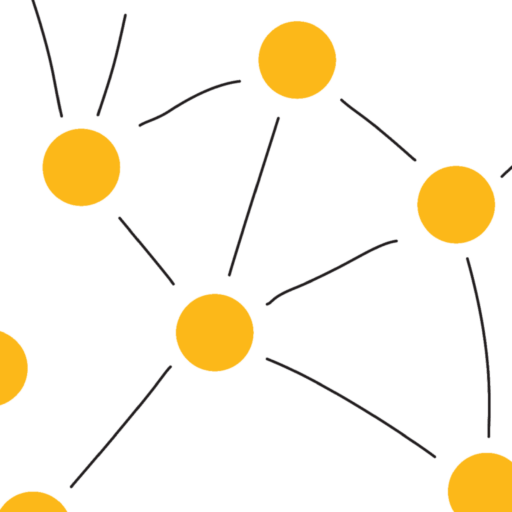
The Open Social Web Alliance proposes a decentralized, interoperable communication protocol modeled after email to unify social media platforms. By 2028, this vision aims to move users away from closed platform economies toward a more open, user-controlled digital experience.
The Vision for a Decentralized Digital Future
The Open Social Web Alliance is spearheading a transformative movement that seeks to redefine how we interact online. At its core, the initiative proposes a shared, standardized communication protocol that functions with the same ubiquity as email. Just as a user can send a message from Gmail to Proton without friction, the Alliance envisions a digital landscape where social media accounts are platform-agnostic, allowing seamless interaction across diverse networks like Mastodon, Eurosky’s Mu, and Streamplace.
Breaking the Platform Silos
For decades, the digital experience has been dictated by the 'platform economy,' dominated by corporate giants such as Meta, ByteDance, and Alphabet. These entities operate within walled gardens, trapping user data and social graphs within proprietary systems. The Open Social Web Alliance identifies this structural limitation as the primary barrier to genuine digital freedom. By decoupling the user account from the platform, the Alliance aims to end the necessity of 'digital moves,' where users are forced to abandon their social connections whenever they migrate to a new service.
The Email Analogy as a Blueprint
The brilliance of this proposal lies in its simplicity and historical precedent. Email remains one of the few truly open, decentralized communication protocols on the internet. By applying this logic to social media, the Alliance is not inventing new technology but rather advocating for a shift in standards. This approach mitigates the influence of centralized gatekeepers, ensuring that individual users retain ownership of their posts and connections, regardless of the interface they choose to use.
Projections for 2028
The Alliance’s roadmap looks toward 2028 as a pivotal year for the Open Social Web. The vision anticipates that through a combination of strategic smart investment and proactive political foresight, the ecosystem will reach a critical mass of over 100 million active users. This threshold is significant, as it represents the point at which decentralized networks transition from niche experiments to mainstream infrastructure, effectively challenging the dominance of current toxic design patterns and algorithm-driven engagement models.
Implications for Digital Health
A major driver for this transition is the desire to escape 'toxic design'—the psychological manipulation inherent in many modern platforms that prioritize engagement over user well-being. By moving toward open protocols, the Alliance suggests a future where users are no longer the product of an advertising-driven platform economy. Instead, the focus shifts to community-led environments where the architecture of the web serves the user, rather than the profit margins of a few massive corporations.
Conclusion: A New Era of Connectivity
The Open Social Web Alliance represents a fundamental shift in the philosophy of the internet. By advocating for interoperability and decentralization, the movement seeks to restore the original promise of a connected global community. If successful, the transition to a standardized communication protocol will mark the end of the platform era, ushering in a more democratic, stable, and user-centric digital age.