Delhi Air Quality 'Poor', Monitoring Body Chalks Out Plan For 2027
Source Entity
NDTV News Search Records Found 1000
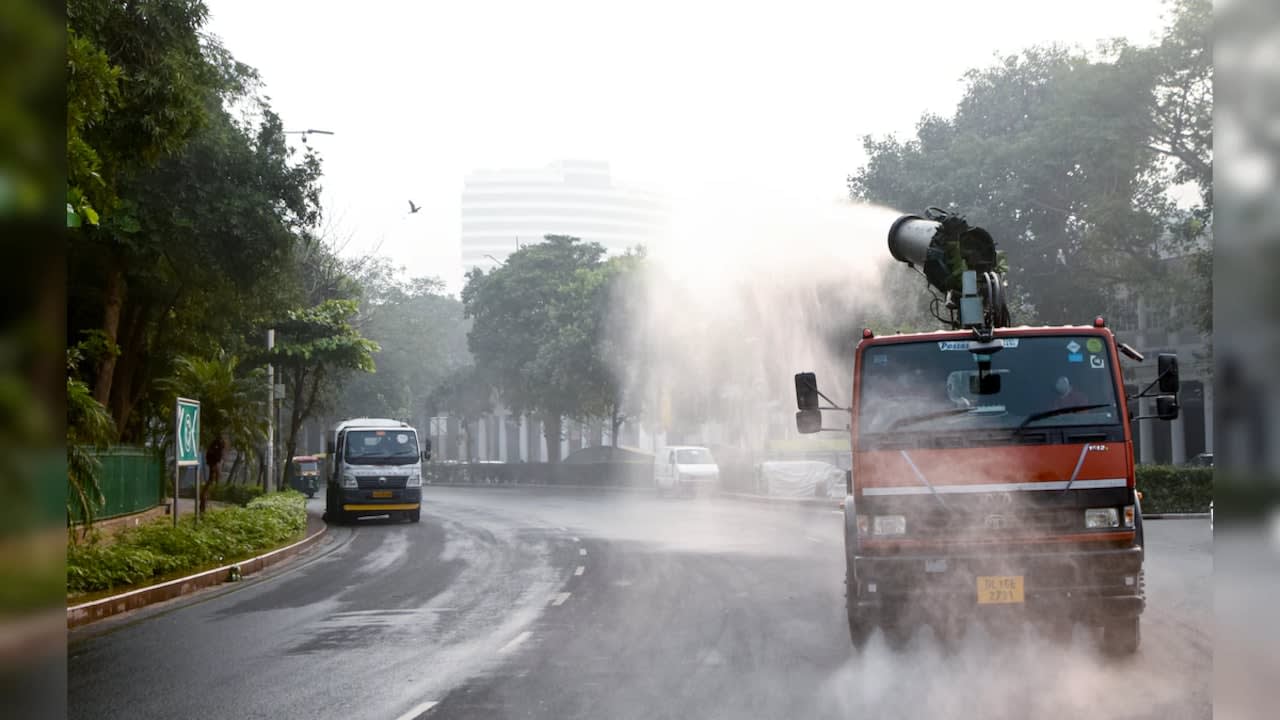
Delhi's air quality has hit the 'poor' category, prompting the Commission to initiate a strategic roadmap for 2027. This long-term plan focuses on four core mandates to systematically address persistent pollution challenges in the capital.
Delhi’s Air Quality Crisis: A Strategic Pivot to 2027
Delhi’s persistent struggle with air pollution has reached another critical inflection point, as the city’s air quality index (AQI) officially slipped into the 'poor' category. This recurring seasonal decline serves as a stark reminder of the limitations of reactive, short-term mitigation efforts. In response, the designated monitoring body has shifted its focus toward a more structured, long-term framework, specifically outlining a comprehensive plan that extends its operational horizon to 2027.
The Shift Toward Long-Term Governance
Historically, Delhi’s approach to air quality management has often been criticized for its reliance on emergency measures, such as temporary construction bans or vehicular restrictions. By establishing a roadmap for 2027, the Commission is signaling a move toward policy continuity. This shift suggests an acknowledgment that the capital's atmospheric issues are structural rather than merely seasonal, necessitating multi-year interventions that can survive administrative cycles and political transitions.
Deconstructing the Four Core Mandates
The Commission has anchored its upcoming strategy on four core mandates. While specific granular details of these mandates are currently being formalized, they represent the pillars upon which the capital’s environmental future will likely rest. These mandates are expected to address the critical nexus of industrial emissions, vehicular density, construction dust, and regional agricultural burning. By codifying these mandates now, the authorities aim to create a baseline for accountability and measurable progress over the next three years.
Broader Implications for Urban Infrastructure
The transition to a 2027-focused plan implies significant implications for Delhi’s urban planning and infrastructure development. Addressing air quality at this scale requires deep integration with public transport expansion, the electrification of the logistics sector, and stricter enforcement of emissions standards for industrial zones. Future trends suggest that the Commission will likely demand tighter inter-departmental synergy, forcing municipal bodies to prioritize air quality compliance in every major infrastructure project sanctioned in the National Capital Region.
Challenges to Implementation and Future Outlook
Despite the clear intent behind the 2027 roadmap, the path forward remains fraught with challenges. Effective execution will depend on the Commission’s ability to enforce mandates across diverse jurisdictions, including neighboring states whose agricultural practices directly influence Delhi’s air shed. Furthermore, maintaining public compliance and securing the necessary funding for large-scale technological upgrades will be paramount. If the Commission succeeds in implementing these mandates with rigor, it could establish a blueprint for other rapidly urbanizing Indian cities facing similar environmental degradation.
Conclusion
The move to establish a 2027 plan marks a necessary maturation in the management of Delhi’s air quality. By moving beyond crisis management and toward a mandated, multi-year strategy, the Commission is attempting to institutionalize cleaner air. Whether this roadmap translates into tangible improvements in the capital’s AQI will depend entirely on the consistency of the enforcement and the political will to uphold these four core mandates through the coming years.
Verification Required?