Why Telangana is scrapping intermediate colleges and merging them with schools
Source Entity
Sreenivas Janyala
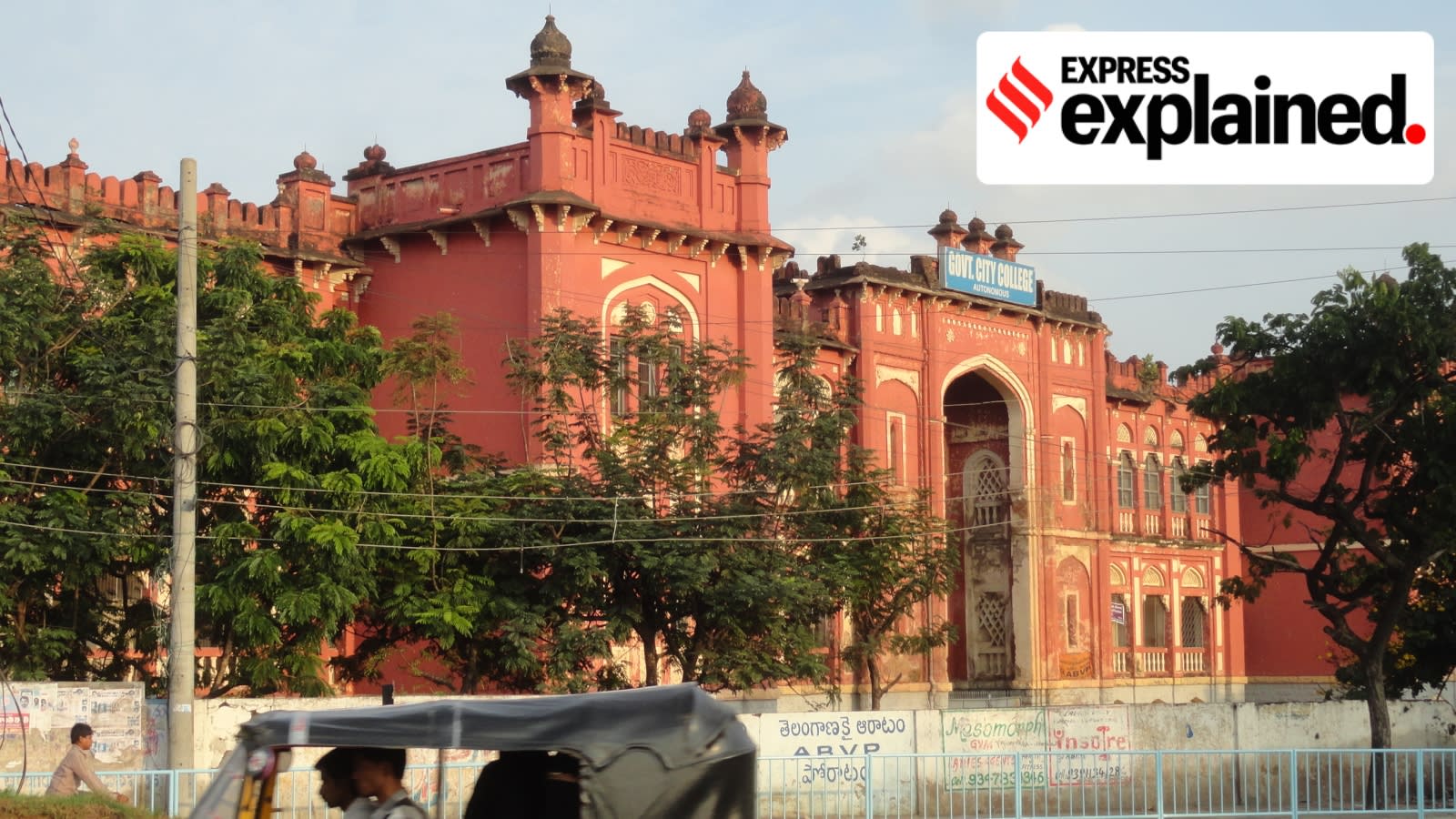
State governments in West Bengal and Telangana are undergoing significant structural shifts in higher secondary education. West Bengal is reconsidering its semester system based on stakeholder feedback, while Telangana is integrating intermediate colleges into school systems to reduce student dropout rates.
Evolution of Higher Secondary Education in India
Recent developments in West Bengal and Telangana reflect a broader national trend of re-evaluating the structure of higher secondary education. As states attempt to align with modern pedagogical standards and address localized challenges, the focus has shifted toward institutional stability, accessibility, and administrative efficiency. While West Bengal is navigating the nuances of its examination framework, Telangana is undertaking a fundamental structural overhaul of its collegiate system.
West Bengal's Semester System Review
In West Bengal, the School Education Minister, Dipak Barman, has signaled a potential review of the newly implemented four-semester higher secondary examination system. The state government intends to base any future adjustments on a comprehensive feedback loop involving parents, school administrators, and educational experts. This cautious approach acknowledges the complexities of transitioning to a semester-based model, which often requires significant shifts in both teacher workload and student assessment patterns.
Addressing Dropout Rates in Telangana
Contrasting the consultative approach in West Bengal, the Telangana government has announced a definitive structural change: the phasing out of standalone junior colleges. Starting in the 2027-28 academic year, Classes 11 and 12 will be integrated directly into existing high schools. This policy is primarily driven by the need to curb high dropout rates, particularly among girls and students from socially and economically marginalized backgrounds who often struggle with the logistical hurdles of transitioning to separate intermediate colleges after Class 10.
The Rationale for Integration
By merging the intermediate grades into the school system, Telangana aims to create a seamless educational continuum. For many students, the requirement to apply to separate junior colleges acts as a barrier, often leading to attrition due to geographic, financial, or social pressures. This institutional integration is a strategic effort to retain students within the formal education system for a longer duration, thereby improving overall literacy and graduation rates in the state.
Challenges and Future Implications
Both states face the daunting task of managing the logistical implications of these shifts. West Bengal’s potential pivot highlights the difficulty of maintaining academic rigor while managing stakeholder expectations, while Telangana’s move necessitates a massive infrastructure upgrade for existing schools to accommodate two additional grade levels. These changes indicate that state education boards are increasingly prioritizing student retention and feedback over rigid adherence to legacy systems.
Conclusion
As these states proceed, the success of these initiatives will depend on effective implementation and consistent monitoring. Whether it is through the meticulous review process in West Bengal or the structural consolidation in Telangana, the common objective remains the creation of a more inclusive and accessible environment for higher secondary education. These developments serve as a bellwether for how Indian states are modernizing their educational frameworks to meet the needs of a changing demographic.