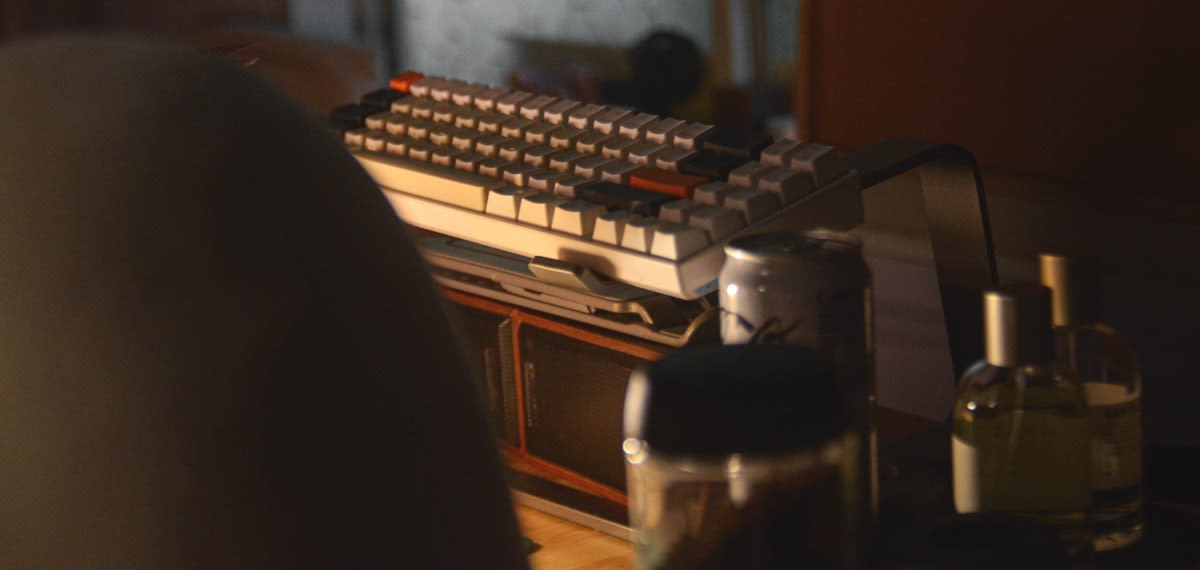
The digital saturation point has been reached. For a decade, the narrative focused on the total migration of human experience to the cloud, but the current data suggests a violent correction. We are witnessing the Great Analog Return, a phenomenon where the world's most digitally integrated generations—Gen Z and Alpha—are aggressively reinvesting in 'permanent' media and physical presence. This isn't a quaint nostalgia trip; it is a strategic pivot toward sensory authenticity in an era of algorithmic sterility.
Why now? The 'so what' is immediate: the value proposition of digital convenience has diminished. When everything is accessible instantly, nothing feels permanent. This has triggered a hunger for high-friction experiences—things that require travel, physical effort, or significant financial commitment. From the curated listening rooms of Seattle to the rugged campsites of Europe, the trend is clear: the digital native is now an analog seeker.
The Acoustic Renaissance: Beyond the Stream
Music consumption has long been the canary in the coal mine for analog returns, but the current shift is deeper than the vinyl revival. We are seeing a move toward 'deep listening' as a ritual. In Seattle, the Shibuya HiFi bar has become a focal point for this movement, where curated listening sessions regularly sell out. This represents a fundamental rejection of the passive background music model championed by streaming giants. People are no longer just listening to songs; they are attending to the act of listening itself.
"Digital music gave us the technology, and the freedom, to listen to whatever we want, whenever we want. But more and more people are going back to older, analog ways of listening."— CBS News Report
This pursuit of sonic purity is driving a new market for high-end physical infrastructure. Artist and engineer Devon Turnbull, through his company Ojas, is designing specialized listening rooms for both public and private spaces. These are not merely rooms with speakers; they are architectural interventions designed to facilitate a visceral, physical connection to sound. The goal is a return to the 'lost art' of listening, treating audio as a spatial experience rather than a file transfer.
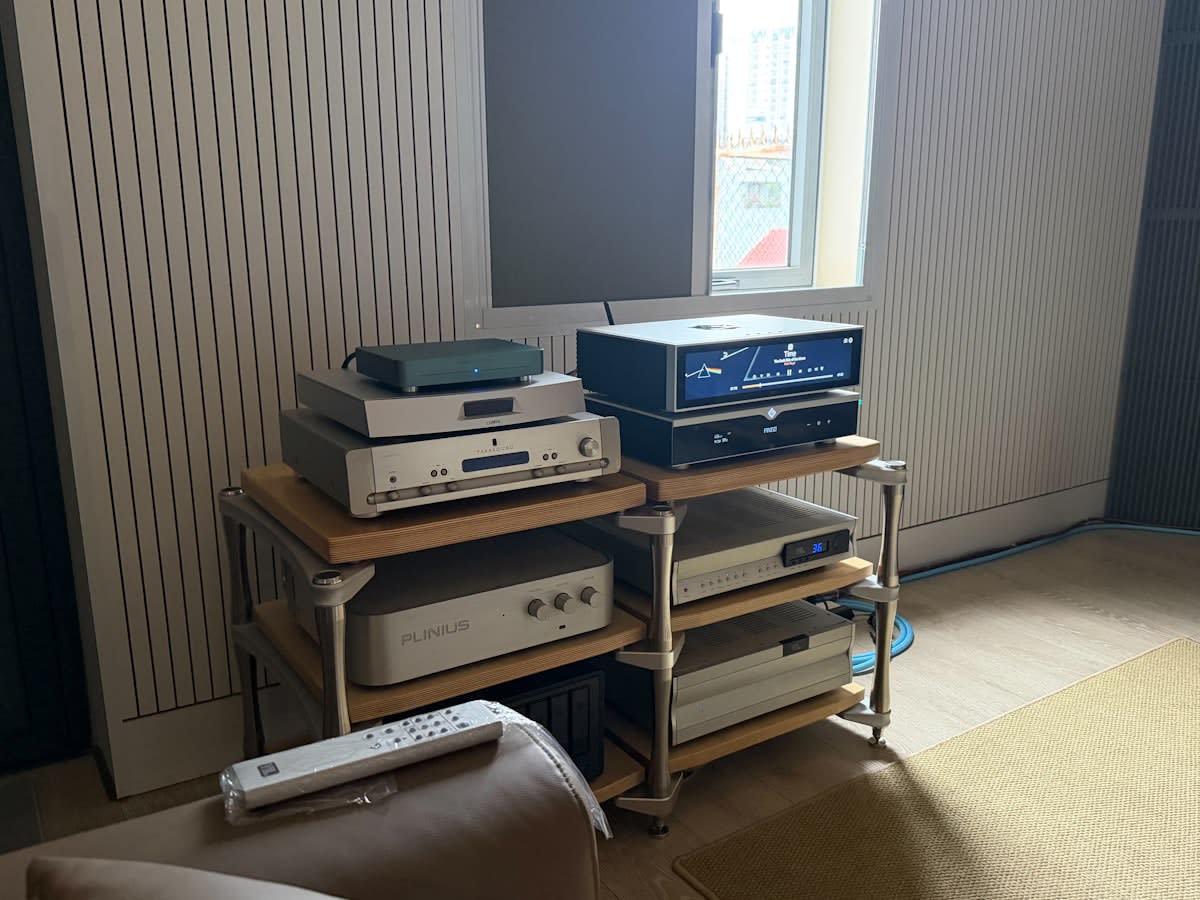
Even the hardware is evolving to bridge the gap between digital precision and analog warmth. Italian audio brand IK Multimedia recently released version 1.5 of its Arc On Ear DAC and headphone amplifier. By providing high-end digital-to-analog conversion and calibration for 50 popular in-ear monitors, the tool allows engineers and producers to achieve critical listening accuracy whether they are in a studio or traveling on tour. It is a clinical approach to capturing the analog essence within a digital workflow.
This sonic shift is a gateway to a broader desire for permanence. When sound is decoupled from a screen and felt in the chest via a high-end speaker, it becomes a memory rather than a data point.
The Physicality of History and Heritage
The appetite for the physical extends into how younger generations interact with history. Andrew Song, a 26-year-old Navy Nuclear Submarine Officer, has highlighted a concerning gap: the dwindling interest among Gen Z in viewing physical exhibits in a world dominated by social media attention. This realization has fueled the 'Made by Us' mission, which employs Gen Z consultants to strategize with institutions to reel young Americans back into physical museums and historical archives.
Song's own drive to serve was rooted in the analog legacy of his grandfather, who fought in the Korean War. This connection illustrates the power of inherited, physical history over digital curation. The push to engage youth in the United States' 250th Anniversary celebrations is not just about patriotism; it is about filling the 'attention gap' with tangible, in-person experiences that a smartphone cannot replicate.
Strategic Insight
The 'Attention Gap' is the primary battleground for cultural institutions. The goal is to move Gen Z from scrolling through historical facts to standing in the physical presence of historical artifacts.
Even in the scientific community, there is a renewed focus on the 'permanent' organic archive. Recent advancements in the characterization of archaeological wood—integrating AI and molecular biology—are allowing researchers to move from qualitative descriptions to high-resolution quantitative analysis. While the tools are digital, the object of desire is the most analog of all: degraded structural wood that has survived the natural processes of diagenesis to tell a story of the deep past.
These parallel movements—in art, music, and history—suggest that the digital generation is seeking an anchor. They are looking for things that cannot be deleted, edited, or algorithmically altered.
The Experience Economy: High-Stakes Travel
The most aggressive manifestation of this trend is found in discretionary spending. Booking.com has identified a powerful convergence: Gen Z and Millennials are redefining travel around 'once-in-a-lifetime' sporting events. This is no longer about casual tourism; it is about the pursuit of the unforgettable moment. The data is startling: 91% of these younger consumers say they would spend $5,000 or more to attend a major sporting event, even if it means postponing other significant life events to fund the trip.
| Metric | Gen Z/Millennial Trend | Previous Digital Era Norm |
|---|---|---|
| Spending Threshold | $5,000+ for single events | Incremental, low-cost digital subs |
| Priority | Visceral Experience | Digital Convenience |
| Travel Driver | Sports-led 'Once-in-a-Lifetime' | Generic Destination Tourism |
| Financial Behavior | Postponing life events for experiences | Saving for material assets |
This shift is not a rejection of technology, but a reconfiguration of it. Digital platforms are now being used as the assembly tools for these multi-part, physical journeys. The technology is the map, but the destination must be tangible. This creates a paradox where the most digital natives are the ones most willing to bankrupt their short-term savings for a physical memory.
We see a similar paradox emerging in European tourism. Generation Z and Alpha are reshaping the campsite market. While they demand intuitive online booking and contactless check-in processes, they are simultaneously prioritizing the 'option to disconnect from the online world when desired.' They want the efficiency of the digital world to facilitate their escape from it.
This desire for 'curated disconnection' is the hallmark of the new analog return. It is not a Luddite movement; it is a sophisticated management of attention. By investing in high-fidelity audio, physical archives, and high-cost travel, Gen Z is building a personal portfolio of permanent experiences to counter the ephemeral nature of their digital existence.
The delta is clear. Twelve months ago, the conversation was about the Metaverse and virtual reality. Today, the conversation is about HiFi bars in Seattle and $5,000 sports trips. The pendulum has swung back, not to the past, but to a future where the physical world is the ultimate luxury.