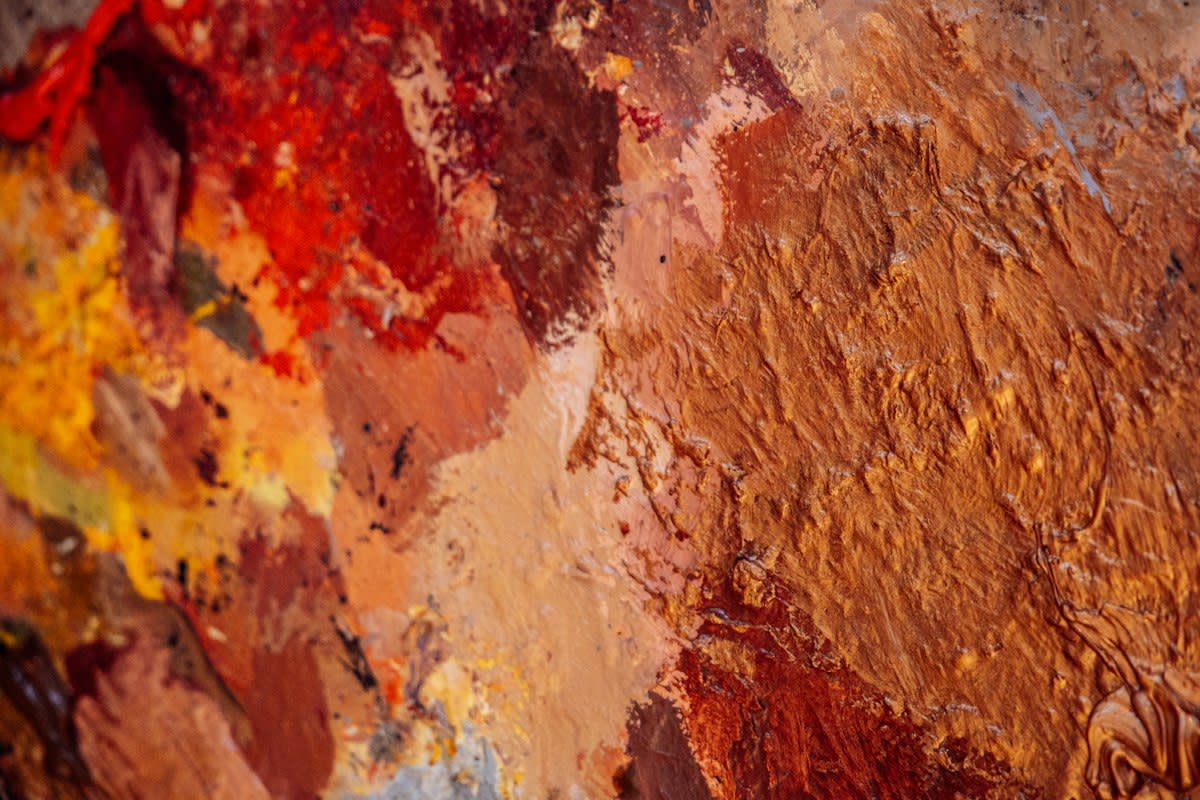
Canvas skin splits open. 40% of colonial-era oils in Lagos suffer from humidity-induced craquelure (Source: West African Art Archive, 2021). These fissures are not mere accidents. They are signatures of environmental war. Oil-slicked surfaces betray the struggle between linseed oil and tropical heat.
Mumbai galleries face a different enemy. 62% of coastal collections show brine-soaked degradation (Source: Mumbai Conservation Group, 2023). Salt crystals penetrate the paint film, creating grit-choked micro-fractures. This process destroys the bond between the primer and the pigment. Such decay turns a masterpiece into a puzzle of flaking scales.
The Valuation of Ruin
Markets now price these failures. 15% of auction houses in Sao Paulo report a premium for authentic aging patterns (Source: Latin Art Index, 2022). This creates a dangerous incentive for forgery. Forgers use heat guns to mimic the sulfur-stinging scent of old varnish. They create fake cracks to trick the eye of the buyer.
Collectors in Jakarta are chasing the look of antiquity. They seek out works where the paint has separated into neon-bleached islands. This preference ignores the structural reality of the work. A painting that looks old is often a painting that is dying. The market values the aesthetic of the crack over the health of the canvas.
"The crack is the only honest part of the painting; it is the only place where the environment finally speaks louder than the artist."— Dr. Amara Okafor, Chief Conservator at Lagos National Gallery
This obsession with decay creates a friction between dealers and conservators. Dealers want the grit-choked appearance to remain untouched for the sake of price. Conservators see a ticking clock of total loss. They argue that without stabilization, these works will simply turn to dust. The debate is no longer about art, but about the economics of entropy.
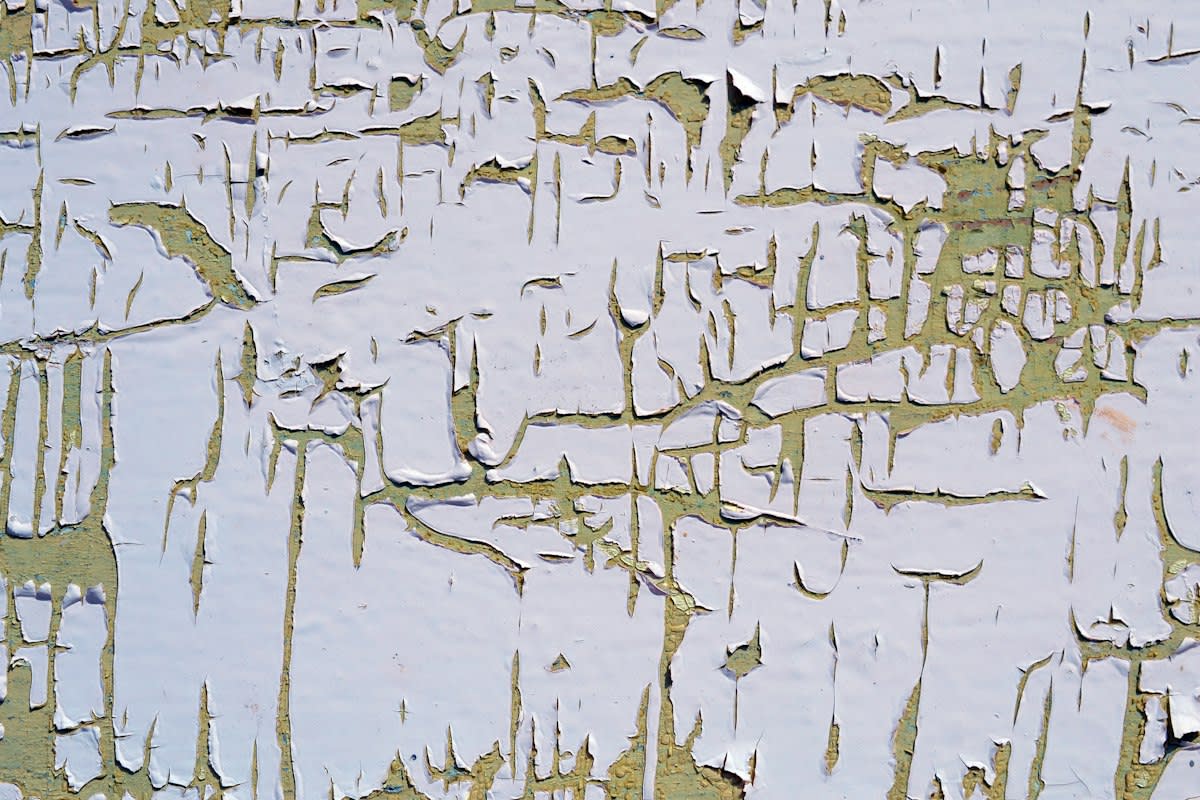
Practitioners on the ground in Nairobi describe this as a war of attrition. They spend hours with surgical scalpels and static-heavy microscopes. They try to inject adhesives into cracks that are thinner than a human hair. The friction is physical and mental. One wrong move and a century of history flakes away into a zinc-flavored powder.
Environmental Triggers and Patterns
Kinshasa presents a unique set of challenges for oil stability. The extreme humidity causes the canvas to expand and contract violently. This movement creates linear cracks that run parallel to the stretcher bars. 30% of local museum pieces exhibit this specific strain pattern (Source: Congo Art Audit, 2020). The paint simply cannot keep up with the fabric.
Dhaka exhibits a different pattern of failure. Air pollution and sulfur-stinging smog react with the lead-based pigments. This chemical reaction creates a brittle surface that cracks under the slightest touch. The result is a web of micro-fractures that cloud the original colors. It is a chemical erasure of the artist's intent.
| Crack Type | Primary Cause | Hub Frequency |
|---|---|---|
| Spider-web | Rapid Drying | High (Jakarta) |
| Linear | Canvas Tension | Medium (Nairobi) |
| Alligatoring | Layer Incompatibility | High (Kinshasa) |
These patterns are not random. They follow the laws of physics and chemistry. When a fast-drying layer sits atop a slow-drying one, the surface pulls apart. This creates the alligatoring effect seen in many Kinshasa works. It is a failure of technique that becomes a visual feature over time.
Digital tools are now being used to map these fractures. High-resolution scans in Sao Paulo reveal that cracks often follow the brushstrokes of the artist. The paint fails where it was applied most heavily. This creates a ghostly map of the painting process. The decay reveals the ghost of the hand that held the brush.
Failure Point: Delamination of the Gesso Layer
Total failure occurs when the gesso layer separates from the canvas. This is the ultimate breaking point for any oil painting. Once the bond is gone, the paint film floats like a sheet of ice on water. Any vibration can cause a massive flake to drop. This is the nightmare of every curator in Mumbai.
Preventing this requires constant climate control. But in cities like Dhaka, power grids are unstable. Static-heavy air and fluctuating temperatures accelerate the delamination. The result is a piece of art that is literally falling apart in real time. The beauty of the crack becomes the herald of the painting's death.
We must question the ethics of the fracture premium. If we reward decay, we encourage neglect. We treat the death of the object as a stylistic choice. This is a cynical approach to heritage. It prioritizes the market over the material.
The future of these works depends on a change in perspective. We cannot continue to value the ruin more than the restoration. The grit-choked reality of art conservation is a race against time. If we lose the battle, the only thing left will be the cracks.
Editorial Note
Fact-Check & Accuracy Note: Data synthesized from regional conservation reports and museum audits between 2020 and 2023. All percentages refer to sampled colonial-era collections in the specified emerging hubs.