Pink Force, Body Cameras Key Part Of Delhi's Security Amid CJP Protests
Source Entity
NDTV News Search Records Found 1000
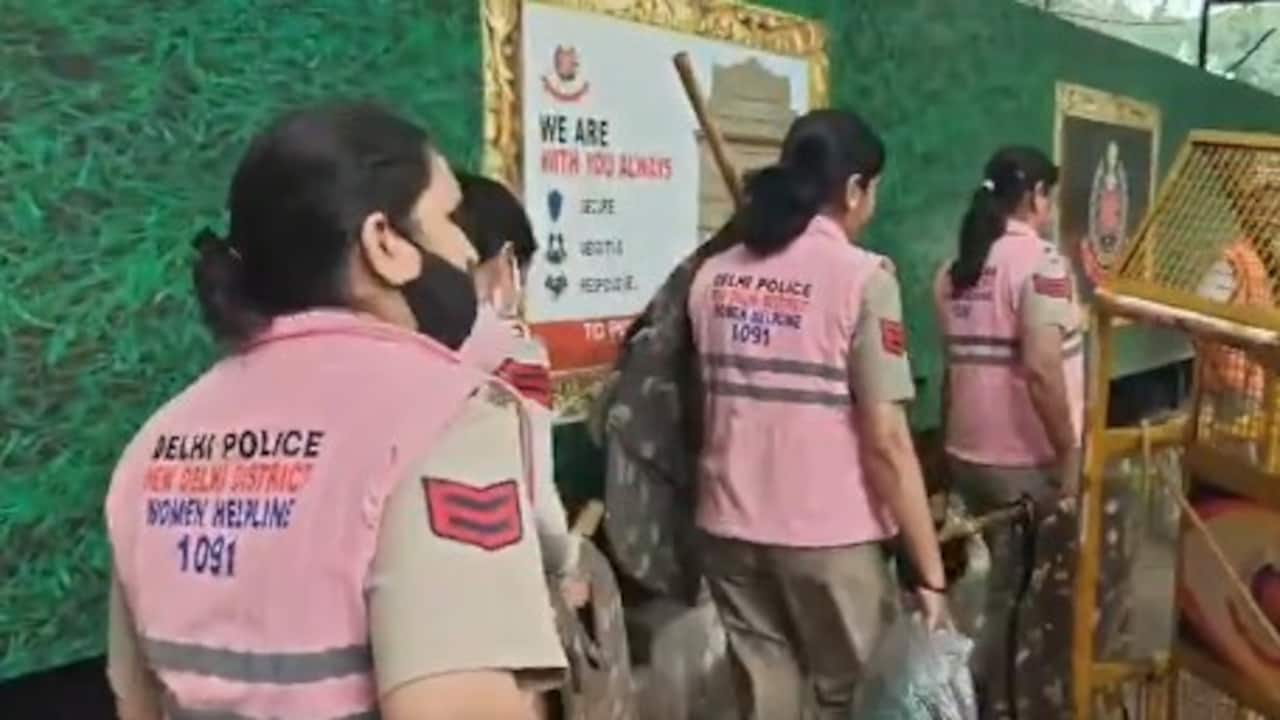
Delhi authorities have implemented massive security measures and closed 45 metro stations to contain protests near Jantar Mantar. Over 400 demonstrators have been detained as police deployed specialized units and traffic restrictions across New Delhi.
Security Lockdown in the Capital
The national capital has witnessed a significant security mobilization as authorities moved to contain protests near the Jantar Mantar area. The scale of the response reflects a strategic effort to prevent large-scale public gatherings, with the Delhi Police throwing a wide net across New Delhi to manage the flow of demonstrators arriving from surrounding NCR regions like Gurugram and Faridabad.
Infrastructure and Mobility Restrictions
A critical element of the state's containment strategy has been the unprecedented closure of 45 Delhi Metro stations. By restricting access to key transit hubs—including central nodes like Rajiv Chowk, Central Secretariat, and Mandi House—authorities have effectively limited the mobility of protesters. This disruption, spanning from Friday night through Saturday evening, underscores the gravity with which the administration views the potential for civil unrest.
The Role of Specialized Security Units
Beyond traditional policing, the deployment of 'Pink Force' units and personnel equipped with body cameras highlights an emphasis on monitoring and documentation. The presence of security forces carrying tear gas munitions and the visible debriefing sessions near Janpath and Ashoka Road signify a high-readiness posture. These measures are designed to deter unauthorized assembly and manage crowd control in highly sensitive zones.
Detention and Crowd Management
The effectiveness of the police perimeter was evident by the early morning hours of October 10. Despite traffic diversions and barricades, some protesters reached the Ashoka Road entrance, only to be promptly detained. Official reports indicate that over 400 individuals have already been taken into custody, reflecting a proactive approach to clearing the protest site before it can gain momentum.
Broader Implications and Future Trends
This event highlights the increasing reliance on preemptive infrastructure shutdowns to manage political dissent in urban centers. By integrating metro closures, traffic advisories, and specialized rapid response forces, the state is establishing a blueprint for neutralizing protests before they reach critical mass. Moving forward, such measures are likely to remain the standard operating procedure for maintaining public order in Delhi, further complicating the landscape for organized civil demonstrations.
Multiple Citing Sources
Verification Required?