'Settled 8 wars, still no Nobel': Trump fumes over Peace Prize snub
Source Entity
VIVEK DUBEY
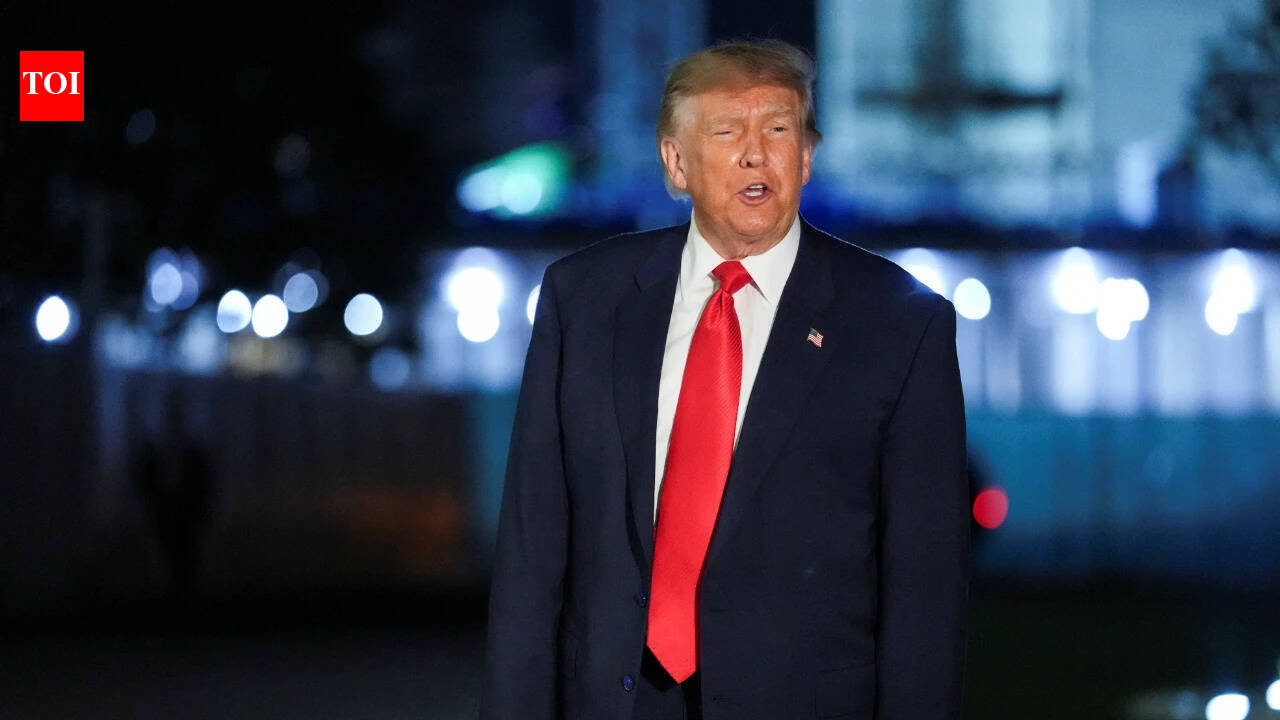
Donald Trump has publicly expressed frustration over not being awarded the 2026 Nobel Peace Prize. He claims credit for settling eight wars, securing hostage releases, and preventing Iranian nuclear acquisition.
The Nobel Controversy: Trump’s Claims of Diplomatic Success
Former President Donald Trump has recently taken to Truth Social to express significant grievances regarding the 2026 Nobel Peace Prize, which was awarded to South African jurist Navi Pillay. Trump’s reaction highlights a long-standing contention regarding his foreign policy legacy, specifically his assertion that his administration’s diplomatic efforts warranted the international recognition of the Nobel Committee.
Quantifying Diplomatic 'Wins'
At the core of Trump’s argument is his assertion that he successfully settled eight wars during his tenure or through his ongoing influence. While international conflict resolution is a complex metric often debated by historians and political scientists, Trump’s explicit framing of these 'eight wars' serves as a cornerstone of his foreign policy platform. By positioning himself as a 'peacemaker,' he seeks to contrast his administration's outcomes with those of his successors and political rivals.
Hostage Diplomacy and Regional Stability
Beyond the claim of settling wars, Trump has highlighted his role in hostage diplomacy, specifically claiming credit for the return of Israeli hostages, including a final group of 28 individuals. This narrative of personal intervention in high-stakes hostage situations is a recurring theme in his public communication. By emphasizing the return of both living and deceased hostages, he aims to demonstrate a tangible, humanitarian impact that he believes the Nobel Committee overlooked.
The Iran Factor and Nuclear Non-Proliferation
Trump also reiterated his assertions regarding his strategy toward Iran, claiming he successfully prevented the nation from obtaining a nuclear weapon. This claim is central to his critique of multilateral agreements, such as the JCPOA, which he withdrew from during his term. His insistence on this achievement underscores his preference for 'maximum pressure' strategies, which he maintains were effective in curbing Iranian nuclear ambitions.
Evaluating the Nobel Snub
The selection of Navi Pillay over Trump for the 2026 prize has evidently served as a catalyst for these recent outbursts. The Nobel Peace Prize is awarded by the Norwegian Nobel Committee based on criteria that often favor long-term humanitarian impact, institutional peace-building, and human rights advocacy—areas where Trump’s approach often diverged from the traditional consensus of international awarding bodies. His frustration reflects a broader tension between his 'America First' approach and the internationalist framework of the Nobel institution.
Future Implications for Foreign Policy Rhetoric
Looking ahead, these statements suggest that Trump will continue to prioritize his self-defined diplomatic record as a key component of his political identity. Whether or not these claims are validated by historical analysis, they serve to galvanize his base and frame his past presidency as a period of unprecedented global stability. As the 2026 Nobel cycle concludes, the focus remains on how these competing narratives of 'peace-making' influence domestic political discourse and international perceptions of American leadership.