Delhi Police Deploys 35,000 Personnel With Bodycams Ahead Of CJP Protest
Source Entity
NDTV News Search Records Found 1000
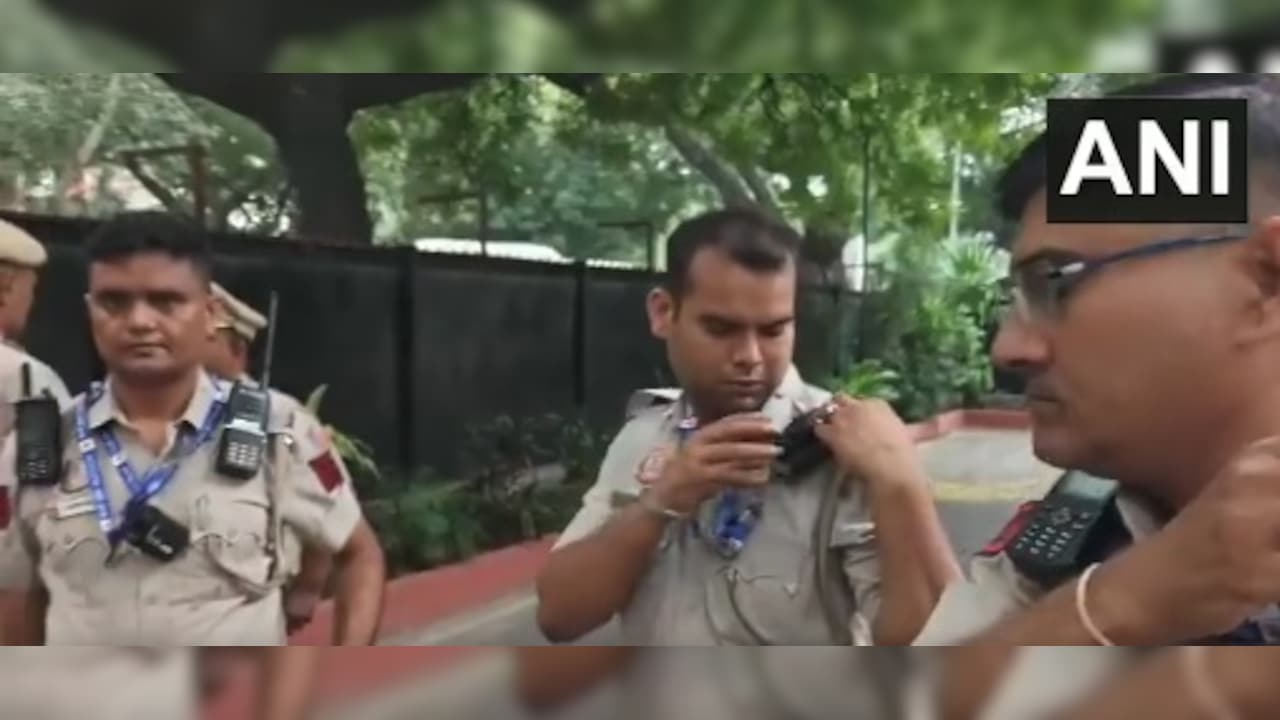
Authorities have implemented extensive security measures, including metro station closures and the deployment of 35,000 personnel, ahead of a planned protest in Delhi. Gautam Budh Nagar police have also imposed Section 163 restrictions to prevent public disorder and potential violence.
Delhi Braces for 'Jantar Mantar 2.0': Security Lockdown Explained
The national capital is currently under a massive security blanket as authorities prepare for a planned protest, referred to as 'Jantar Mantar 2.0.' The demonstration, directed against SIR and CEC Gyanesh Kumar, has prompted the Delhi Police to initiate a comprehensive security strategy involving the deployment of approximately 35,000 security personnel. This massive mobilization highlights the administration's commitment to maintaining law and order in the face of potential civil unrest.
Impact on Infrastructure and Public Transit
One of the most visible impacts of this security posture is the disruption of public services. Reports indicate that 45 Delhi Metro stations have been closed to restrict the movement of protestors and ensure public safety. These closures, combined with strategic road blockades and preventive detentions, are designed to create a sterile environment around sensitive zones. Commuters are advised to expect significant delays and limited access to major city hubs throughout the duration of the event.
Preventive Measures in Gautam Budh Nagar
Beyond the capital, neighboring Gautam Budh Nagar has taken proactive steps to prevent the spillover of unrest. Police authorities have invoked Section 163 of the Bharatiya Nagarik Suraksha Sanhita (BNSS), 2023, imposing strict curbs that will remain in effect until October 20. These regulations explicitly ban unauthorized protests, public gatherings, and processions, reflecting a broader strategy to contain potential volatility before it escalates.
Prohibiting Potential Sources of Violence
Under the newly issued orders, the police have focused on mitigating the risk of physical conflict. The restrictions include a total ban on the burning of effigies and the storage of bricks, stones, or inflammable materials in open spaces. By targeting the tools often used in civil disturbances, law enforcement aims to neutralize the capacity for violent activity, citing the clear warning that the presence of anti-social elements could jeopardize public order.
The Broader Security Philosophy
This multi-layered approach to security reflects a shift toward preemptive policing. By requiring prior permission from senior officers for any gathering of five or more people in public spaces, the administration seeks to exercise strict control over public assembly. This strategy balances the constitutional right to protest with the state's obligation to protect critical infrastructure and prevent the paralysis of urban life.
Future Trends and Outlook
As the city navigates this high-security period, the effectiveness of these measures will likely serve as a benchmark for future protests. The reliance on large-scale personnel deployment and infrastructure lockdowns suggests that the state is increasingly prioritizing the sanctity of public order in the national capital. While these measures ensure immediate stability, they also underscore the ongoing tension between grassroots political expression and the logistical demands of managing a major metropolitan center.
Multiple Citing Sources
Verification Required?