Discord between Ministers and MLAs in districts adds to Congress’s challenges
Source Entity
India Latest News: Top National Headlines Today & Breaking News | The Hindu
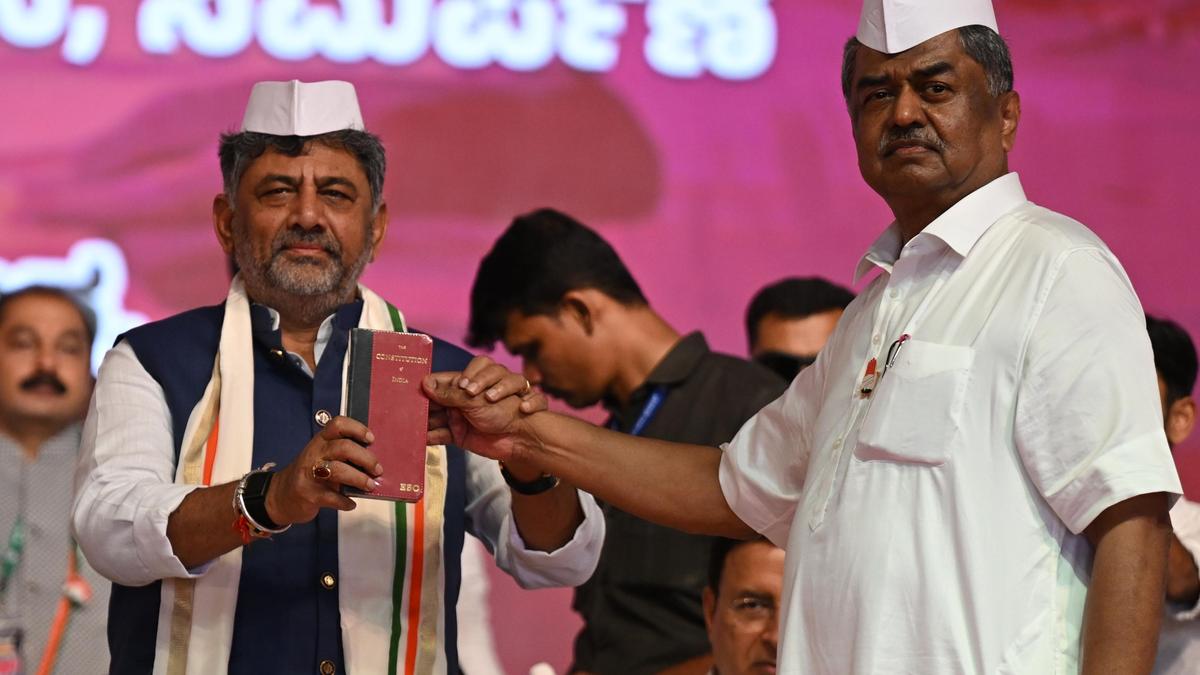
Internal friction within Karnataka's Congress party is escalating as legislators and ministers clash over administrative and organizational control. This growing divide threatens the stability of Chief Minister D.K. Shivakumar's administration.
Internal Instability within the Karnataka Congress
Recent developments within the Karnataka unit of the Congress party indicate a period of significant internal turbulence. The simmering discord between state legislators and cabinet ministers has emerged as a primary challenge to the administration’s cohesion. This friction, centered on contentious issues such as cabinet expansion, the allocation of development funds, and alleged ministerial interference within individual constituencies, signals a fraying of party discipline that could impede governance.
The Shift from Leadership Rivalries to Grassroots Conflict
Historically, the narrative of the Karnataka Congress was dominated by the high-level power struggle between former Chief Minister Siddaramaiah and D.K. Shivakumar. While that dynamic defined the first half of the government's five-year term, the current landscape has shifted. The conflict has now descended to the grassroots and district levels, manifesting as public confrontations in regions including Shivamogga, Vijayapura, Mysuru, and Kolar. This transition from top-tier rivalry to localized legislative rebellion suggests a broader breakdown in communication between the executive and the party's elected representatives.
Organizational Discord and Leadership Friction
The ongoing turmoil has inevitably drawn attention to the strained relationship between Chief Minister D.K. Shivakumar and Karnataka Pradesh Congress Committee (KPCC) president B.K. Hariprasad. Reports of fundamental differences regarding organizational strategy and party management have exacerbated the situation. When the executive wing of the government and the organizational leadership are not in sync, it creates a vacuum of authority that emboldens disgruntled legislators to voice their grievances publicly rather than through internal party channels.
Broader Implications for Governance
If left unaddressed, these internal fractures pose a severe risk to the administration's policy implementation. The focus on 'alleged interference' in constituencies suggests that legislators feel their autonomy is being eroded by ministerial overreach. In the context of Indian state politics, such infighting often leads to a paralysis of development projects, as fund allocation becomes a weaponized tool of factional loyalty rather than a streamlined administrative process.
Future Trends and Political Outlook
The ability of the Congress leadership to mediate these disputes will be the primary determinant of the government's stability for the remainder of its term. As the party grapples with these challenges, it must balance the need for firm executive control with the necessity of maintaining the morale of its grassroots legislators. Should the discord continue to manifest in public forums, it will likely provide the opposition with significant political capital, potentially complicating the party's electoral prospects and internal unity moving forward.
Verification Required?