Congress march seeks action against CEC, questions electoral process
Source Entity
Latest News: Todays Latest News Headlines from India & World | Hindustan Times | Hindustan Times
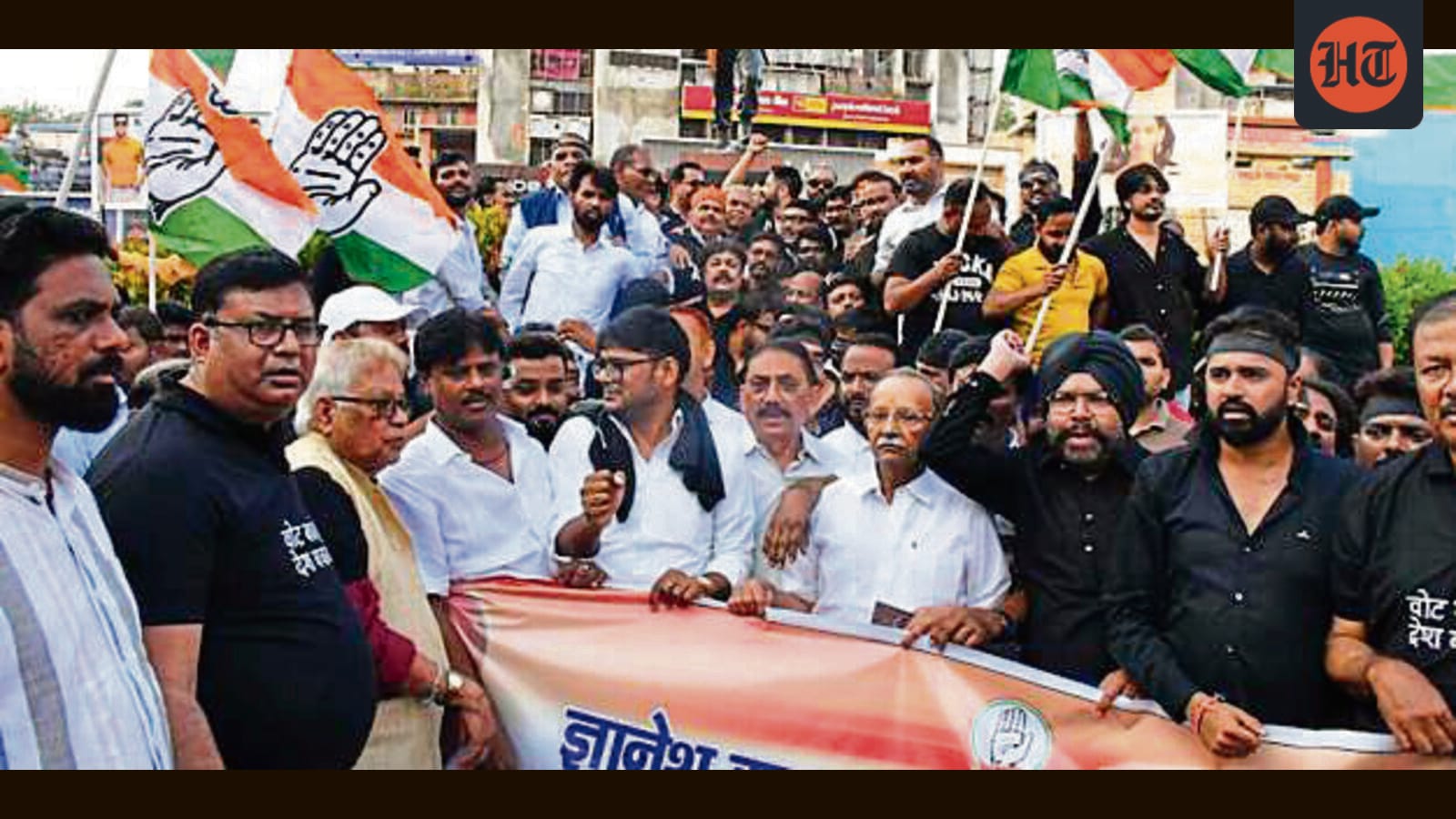
Protests have erupted across India following the removal of 13 crore voters during the Election Commission's Special Intensive Revision. Political groups, including the CJP and Congress, are demanding the resignation of CEC Gyanesh Kumar over alleged electoral irregularities.
Electoral Integrity Under Scrutiny: The CEC Gyanesh Kumar Controversy
Recent weeks have witnessed a significant escalation in political tension across India, centered on the Election Commission of India’s (ECI) recent Special Intensive Revision (SIR) exercise. Initiated in June 2025, this administrative process has resulted in the deletion of over 13 crore names from draft electoral rolls across 30 States and Union Territories. This massive reduction in the voter base has triggered widespread public outcry and intense political scrutiny of Chief Election Commissioner (CEC) Gyanesh Kumar.
The Rise of Organized Dissent
The discontent has manifested in public demonstrations, most notably the protest organized by the Cockroach Janta Party (CJP) at Jantar Mantar on October 10. Founder Abhijit Dipke has led calls for the resignation of CEC Gyanesh Kumar, further demanding criminal action against the commission’s leadership. Simultaneously, the Indian National Congress has mobilized its cadres, marking a 'Black Day' in Jharkhand to highlight concerns over the impartiality of the electoral process and the potential disenfranchisement of eligible voters.
Security Measures and Public Disruption
The administrative reaction to these protests has been significant. Authorities in New Delhi have implemented strict security measures, including the deployment of police and Border Security Force (BSF) personnel at critical junctions. The scale of the unrest is reflected in the logistical response: more than 55 Delhi Metro stations were shuttered, and rail services faced cancellations or reductions to mitigate the risk of what authorities termed 'unruly crowd movement.'
Core Allegations and Constitutional Concerns
At the heart of the controversy is the methodology of the SIR exercise. Critics, including opposition parties and civil society observers, argue that the removal of 13 crore voters is disproportionate and lacks transparency. The Jharkhand Congress has specifically demanded the reinstatement of names removed during this period, framing the issue as a defense of the Constitution and the fundamental right to vote. The central question remains whether these deletions were systematic errors, administrative overreach, or a deliberate attempt to alter the electoral landscape.
Future Implications for Indian Democracy
The demand for an impartial probe into election fairness highlights a deepening trust deficit between political stakeholders and the ECI. As the debate moves from the streets to policy forums, the scrutiny of the ECI’s data-handling processes will likely intensify. The outcome of these protests may set a precedent for how future electoral revisions are conducted, emphasizing the need for greater transparency and public consultation in maintaining the sanctity of the electoral roll. Whether the ECI can restore confidence in its processes remains the defining challenge for CEC Gyanesh Kumar’s tenure.
Verification Required?