The Frictionless Trap
We have spent two decades optimizing the world for convenience. The goal was simple: remove all friction. We replaced the ritual of the record store with a search bar, the anticipation of film development with an instant filter, and the weight of a hardcover book with a backlit slab of glass. For the digital generation, this efficiency was not a luxury; it was the baseline. Yet, this total eradication of resistance has created a psychological vacuum. When everything is accessible in a single tap, the value of the experience plummets toward zero. The result is a systemic hunger for something that pushes back.
This is not a quaint trend or a sudden bout of nostalgia for an era these users never experienced. It is a haptic correction. The brain craves sensory feedback that digital interfaces cannot simulate. A touchscreen is a sterile environment; it offers the same tactile response whether you are reading a profound philosophical treatise or scrolling through a feed of mindless memes. By stripping away the physical markers of consumption, we have decoupled the act of acquiring information from the act of experiencing it. The digital native is now realizing that friction is not a bug—it is the feature that makes an experience memorable.
"The obsession with analog is not about the quality of the sound or the grain of the photo; it is about the reclamation of time and the physical evidence of existence in a world that feels increasingly ephemeral."— Strategic Analyst, Media Systems
The Global Map of Tangible Desire
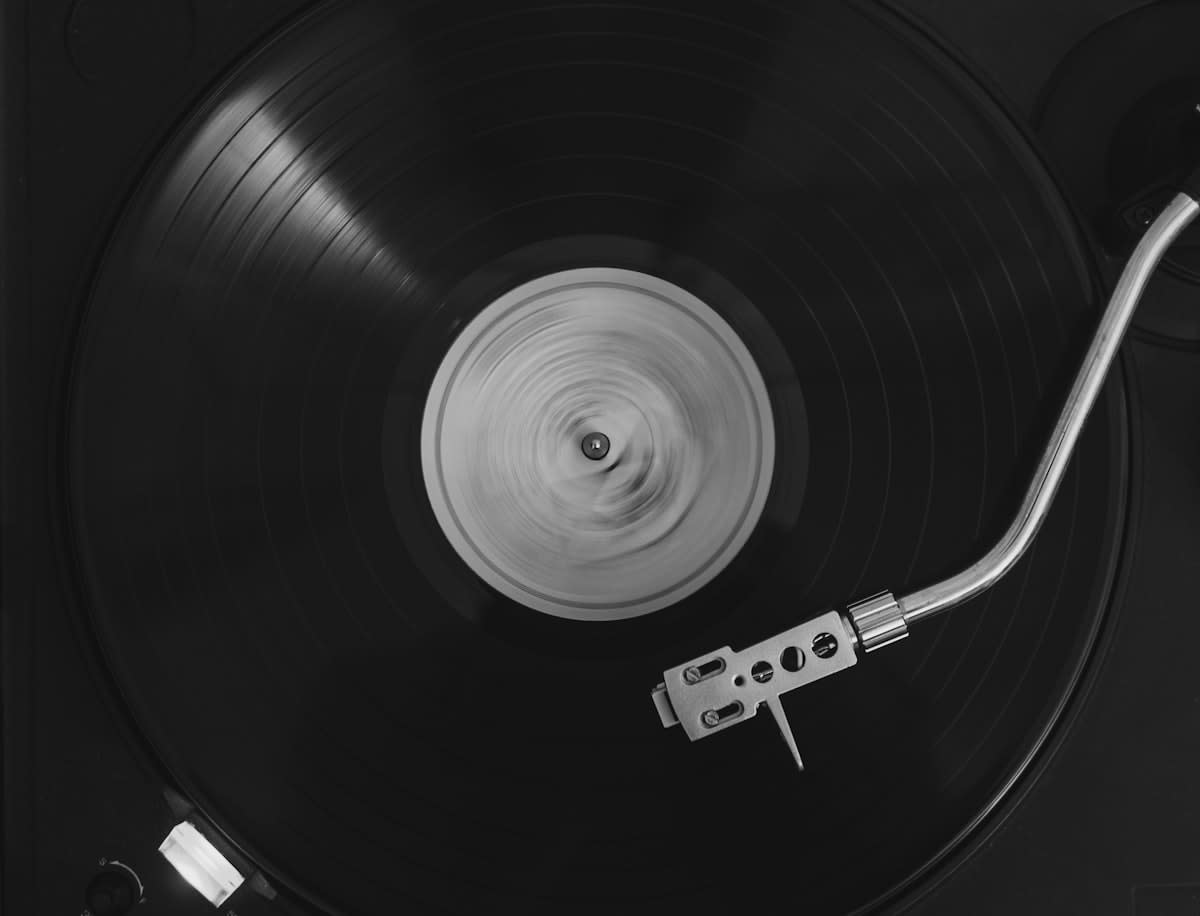
This shift is manifesting globally, though the medium varies by region. In Tokyo, the resurgence of vinyl is not merely about audiophilia; it is a spatial reclamation. In a city defined by hyper-density and digital saturation, the physical presence of a record collection serves as a tangible anchor. The Japanese market has seen a sustained demand for high-end turntables and limited-edition pressings, treating the record as a piece of industrial art rather than just a music delivery system. The act of flipping a disc every twenty minutes forces a mindful engagement with the album as a cohesive work, contradicting the fragmented nature of the streaming playlist.
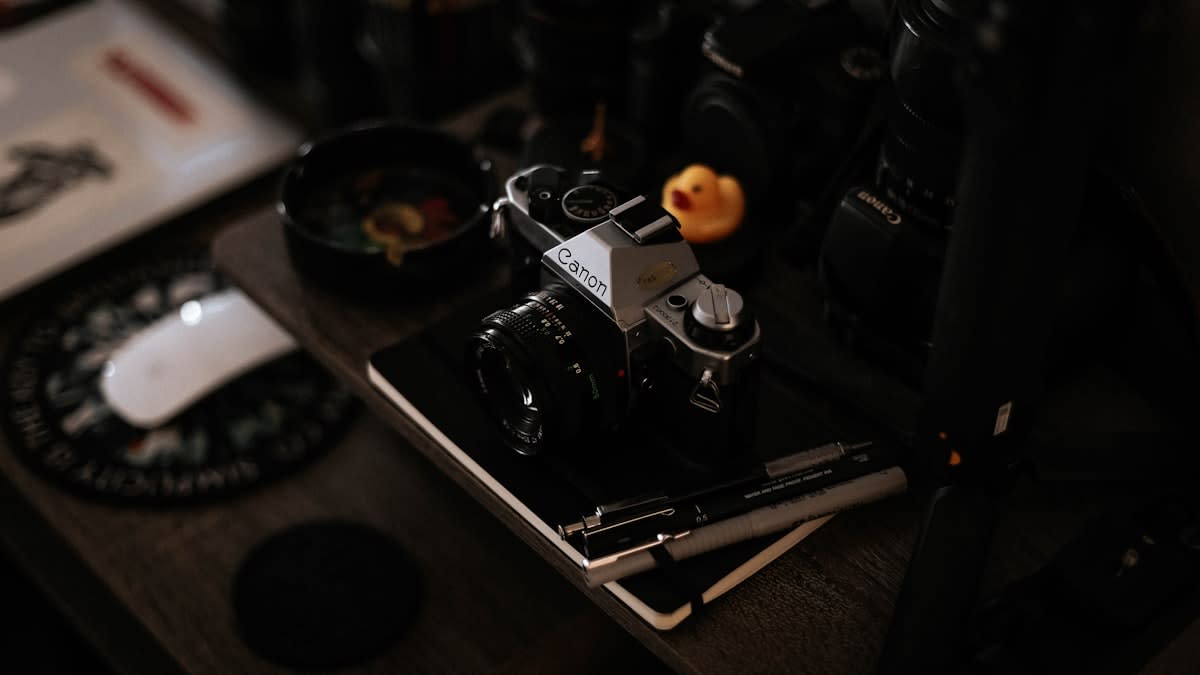
Across Seoul and Paris, the return to 35mm film photography among Gen Z reflects a similar desire for constraint. In an era of infinite captures and instant deletion, the limitation of 36 frames per roll introduces a high-stakes decision-making process. You cannot see the result instantly. You cannot undo a mistake. This forced patience is a luxury in a world of instant gratification. The chemical smell of the darkroom and the tactile tension of winding the film provide a sensory loop that a smartphone camera, for all its computational power, simply cannot replicate.
Why does this happen now? The timing is critical. We have reached a saturation point where the marginal utility of another digital feature is nearly zero. When every app is designed to maximize retention through dopamine loops, the only way to find peace is to exit the loop entirely. The physical object—the zine, the polaroid, the mechanical keyboard—acts as a circuit breaker. It signals to the brain that this specific activity is separate from the endless stream of notifications.
The Economics of Ownership vs. Access
The industry has spent fifteen years pushing the 'access economy.' We were told that owning things was a burden and that streaming everything was liberation. But access is precarious. You do not own your Spotify library; you rent a license to it. You do not own your Kindle books; you possess a digital key. This precariousness has triggered a flight back to hard assets. The digital generation is discovering that ownership is the only true form of permanence. A physical record cannot be deleted by a corporate licensing dispute; a printed book cannot be updated or censored via a remote server.
| Metric | Digital Consumption | Analog Consumption | Strategic Value |
|---|---|---|---|
| Friction Level | Zero/Low | High/Intentional | Mindfulness & Presence |
| Ownership Model | Licensing/Access | Physical Asset | Permanence & Equity |
| Sensory Input | Visual/Auditory | Multi-sensory (Haptic) | Cognitive Retention |
| Engagement | Passive/Fragmented | Active/Linear | Deep Focus |
The numbers support this rebellion. In the United States, vinyl records have seen 17 consecutive years of growth, with sales of LPs outstripping CDs for the first time since 1987. This is not a niche market; it is a structural shift. Similarly, the global film photography market is projected to grow at a CAGR of approximately 5.4% through 2030. These are not just numbers; they are indicators of a consumer base that is willing to pay a premium for inefficiency. The 'Tactile Premium' is now a viable economic driver.
Strategic Concept
The 'Tactile Premium' refers to the willingness of consumers to pay more for a product that offers physical interaction, sensory feedback, and a slower pace of consumption, directly opposing the efficiency-driven pricing of digital goods.
Systemic Shifts: The Physical Anchor
If we look deeper, this is about more than just aesthetics. It is about identity. In a digital world, identity is curated through a profile—a collection of pixels that can be edited, deleted, or algorithmically manipulated. A physical collection, however, is an immutable record of a person's taste and history. The books on a shelf or the records in a crate provide a physical map of an individual's intellectual journey. They are 'physical anchors' that ground the self in a tangible reality.
This shift is also a response to the cognitive load of the digital age. The 'infinite scroll' creates a state of continuous partial attention. Analog media, by contrast, demands a linear engagement. You cannot 'scroll' through a vinyl record; you must listen to the side. You cannot 'hyperlink' through a printed book; you must follow the author's path. This linearity is a form of cognitive resilience, training the brain to sustain focus in an environment designed to shatter it.
- Sensory Deprivation: The lack of tactile feedback in digital interfaces creates a 'hunger' for texture and weight.
- Algorithmic Fatigue: A rejection of curated discovery in favor of serendipitous, physical browsing.
- The Permanence Gap: A desire for assets that exist independently of a subscription or a cloud server.
- Linearity as Luxury: The shift from fragmented consumption to deep, focused engagement.
We are seeing this move into other sectors as well. The rise of mechanical keyboards, with their deliberate click and physical resistance, is a direct critique of the silent, mushy experience of a laptop membrane. The resurgence of analog watches, even among those who have a smartwatch on the other wrist, suggests that we value the mechanical heartbeat of a gear system over the sterile precision of a quartz crystal. It is the beauty of the machine over the invisibility of the code.
The Hybrid Future
The logical conclusion of this trend is not a total abandonment of the digital, but a move toward 'Hybridity.' The most successful brands of the next decade will not be those that offer the most seamless digital experience, but those that integrate physical touchpoints into the digital journey. We are moving toward a world where the digital handles the logistics (discovery, payment, coordination) and the physical handles the experience (consumption, reflection, ownership).
This is a strategic opportunity for designers and artists. The goal is no longer to eliminate friction, but to design 'meaningful friction.' This means creating products that require effort, intention, and presence. Whether it is a luxury print magazine that demands a slow read or a piece of hardware that requires a manual dial, the value is now found in the resistance. The haptic hunger is not a phase; it is a permanent realignment of human desire in the face of digital saturation.
Ultimately, the digital generation is not regressing. They are evolving. They have mastered the cloud, and now they are returning to the earth to find the balance. The physical object is no longer just a tool for delivery—it is the destination itself. In the battle between the pixel and the atom, the atom is making a powerful comeback, not because it is better, but because it is real.