We have reached the ceiling of technical perfection. For decades, the trajectory of media production was a linear climb toward higher resolution, zero latency, and flawless execution. Now, generative AI has effectively solved the problem of 'the perfect output.' Whether it is a hyper-realistic image, a mathematically balanced pop song, or a grammatically sterile corporate memo, perfection is now a commodity. When the cost of flawlessness drops to zero, the value of the flaw skyrockets. This is the Imperfection Premium: a systemic pivot where the markers of human struggle, physical decay, and technical limitation become the primary drivers of luxury and authenticity.
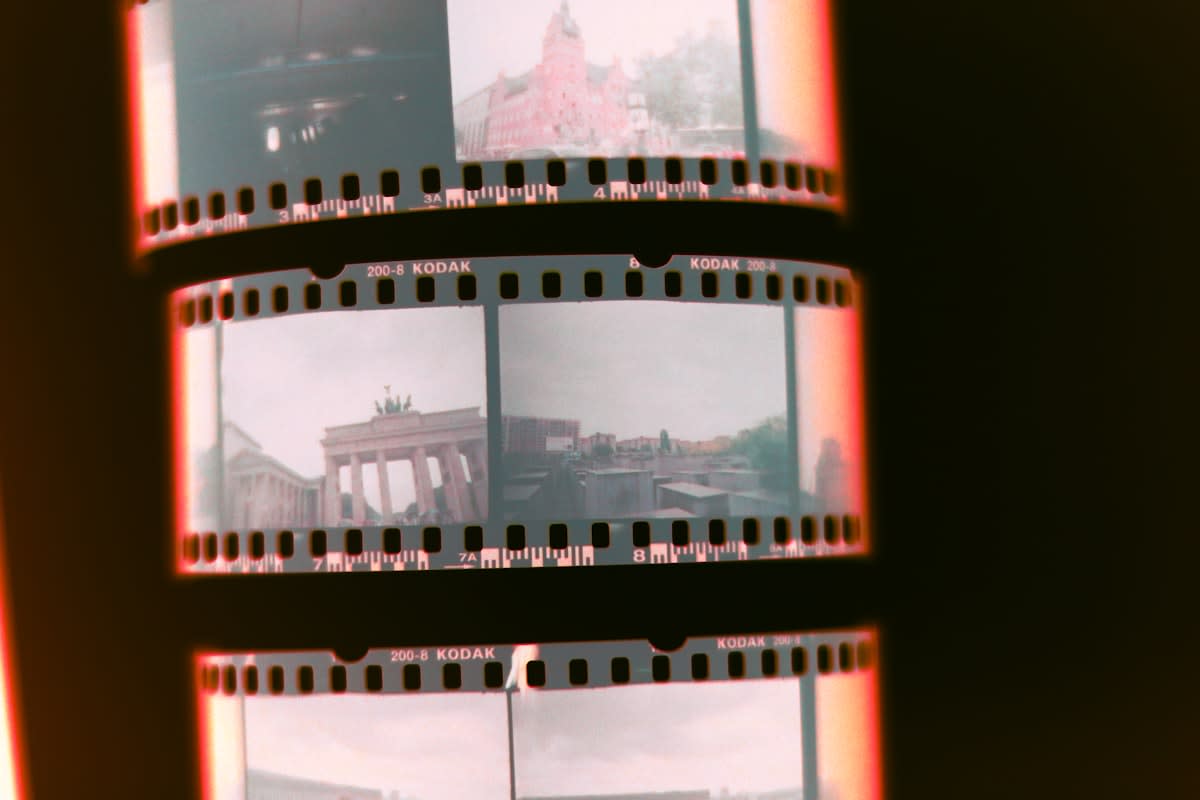
Why does a grainy 35mm photo feel more honest than a 100-megapixel AI-generated landscape? The answer lies in the concept of 'indexicality'—the physical relationship between the medium and the moment. An AI image is a statistical prediction of what a landscape should look like. A lo-fi photograph is a record of light hitting silver halide crystals. One is a calculation; the other is an event. This distinction is driving a global resurgence in analog mediums, not as a nostalgic retreat, but as a strategic rebellion against the uncanny valley of algorithmic precision.
The Economics of Analog Friction
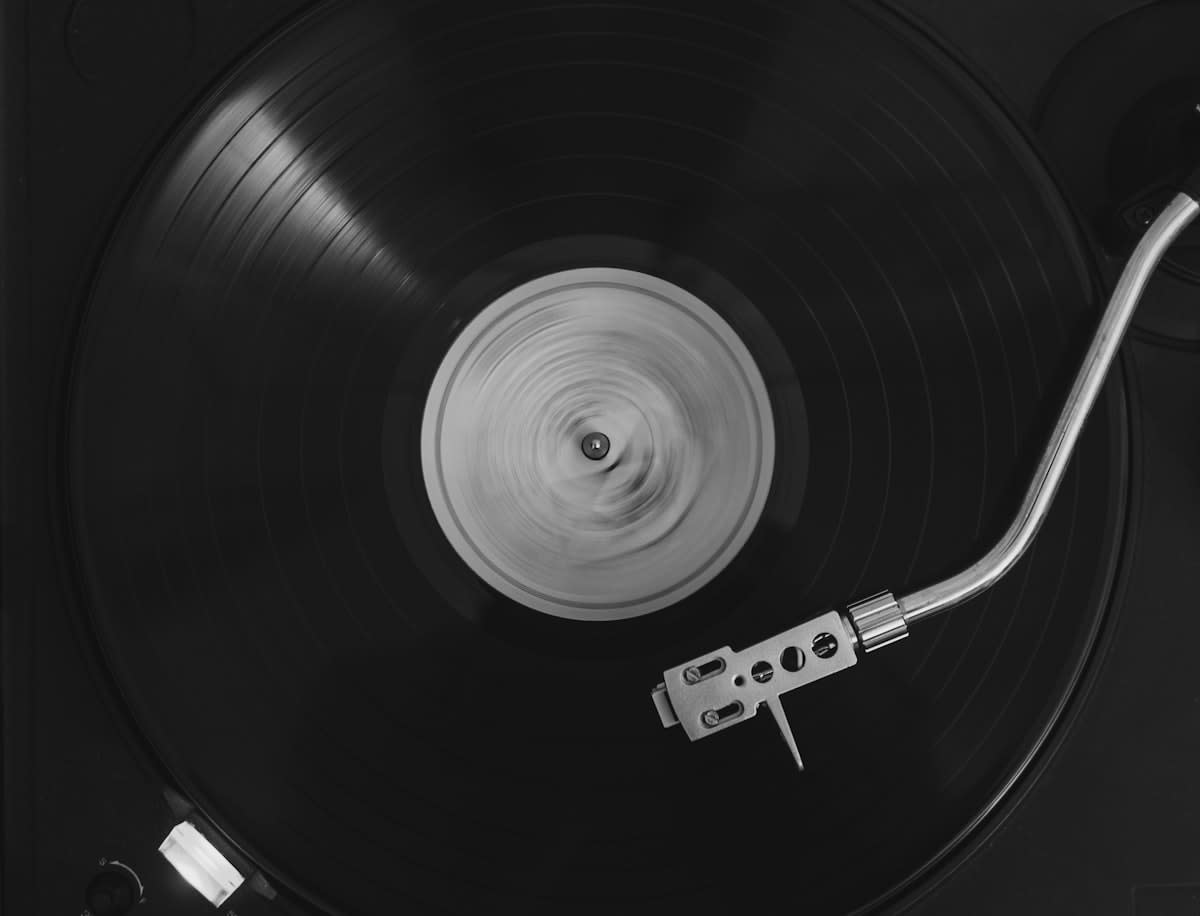
The market is already pricing in this shift. We are seeing a decoupling of 'quality' from 'value.' In the music industry, the surge of vinyl records is the most visible indicator. According to Luminate's 2024 Mid-Year Report, vinyl sales continue to outpace the growth of traditional physical formats, with consumers increasingly prioritizing the tactile ritual and the audible 'crackle' over the sterile convenience of lossless streaming (Source: Luminate, 2024). The 'noise' of the record is not a defect; it is a signal of presence.
| Metric | The Perfection Era (2010-2020) | The Imperfection Premium (2021-Present) |
|---|---|---|
| Primary Value Driver | Technical Fidelity (HD, 4K, Lossless) | Emotional Resonance (Grain, Warble, Rawness) |
| Production Goal | Elimination of Error | Curated Authenticity |
| Consumer Perception | Polished = Professional | Polished = Artificial/AI-generated |
| Market Growth Area | SaaS Optimization Tools | Analog Hardware & Lo-Fi Plugins |
This shift isn't limited to music. In the visual arts, we see a move toward 'Brutalist' web design and the rise of 'photo dumps' on social media. The curated, highly filtered aesthetic of the 2010s has been replaced by a preference for blurred motion and unedited compositions. This is a global phenomenon. In Tokyo, the resurgence of film photography among Gen Z is not just about vintage style; it is a hedge against the infinite reproducibility of digital assets. When every pixel can be altered, the unalterable negative becomes the gold standard.

Does this mean we are abandoning technology? Hardly. The irony is that we are using high-end technology to simulate low-end limitations. Creative professionals now spend hours using expensive plugins to add 'wow and flutter' to digital audio or 'chromatic aberration' to digital renders. We are paying a premium to simulate the mistakes that our predecessors spent decades trying to erase.
"The obsession with lo-fi is a psychological response to the erasure of the human hand. When a machine can produce a perfect circle, the hand-drawn circle, with all its wobbles, becomes the only thing that proves a human was in the room."— Marcus Thorne, Creative Director at Studio Analog
This tension creates a fascinating friction in the professional world. I have sat in countless agency meetings where the debate isn't about how to make a campaign 'better,' but how to make it 'less perfect.' Practitioners are now debating the 'correct' amount of digital noise to add to a luxury brand's video to ensure it doesn't look like an AI-generated advertisement. We are effectively engineering 'humanity' back into the work. The goal is no longer the absence of error, but the presence of intention.
On the ground, this looks like a strategic reversal of the production pipeline. In the past, the 'rough cut' was a stepping stone to the final, polished product. Today, the 'rough cut' is often the final product. Designers are leaving grid lines visible in their layouts and audio engineers are keeping the sound of the artist breathing between takes. These are not oversights; they are authenticity markers designed to trigger a trust response in an audience that has been conditioned to distrust the overly polished.
Global Adaptation and Cultural Nuance
The adoption of the Imperfection Premium varies by region, reflecting local cultural attitudes toward technology. In Northern Europe, the trend manifests as a lean toward minimalism and raw, industrial aesthetics—a reaction against the slickness of Silicon Valley's design language. In Southeast Asia, the rise of 'raw' short-form video content on platforms like TikTok emphasizes spontaneity over production value, favoring the handheld shake over the gimbal's smoothness.
This is not merely a trend; it is a systemic adaptation. As AI integrates into every facet of content creation, the 'Human Signature' becomes a luxury good. We are seeing the emergence of a two-tiered creative economy: a high-volume, low-cost tier dominated by AI perfection, and a low-volume, high-cost tier defined by curated imperfection. The latter is where the highest margins will reside, as brands compete for the dwindling attention of humans who crave genuine connection.
Consider the rise of 'Lo-Fi Hip Hop' as a global auditory backdrop for study and work. This genre doesn't just use lo-fi sounds for style; it uses them to create a psychological 'safe space.' The hiss of a cassette tape and the muffled drums mimic the imperfection of memory and domesticity. It is the antithesis of the aggressive, polished precision of modern EDM, providing a sonic sanctuary from the digital onslaught.
The risk for creators is the 'Authenticity Trap.' When imperfection becomes a calculated strategy, it risks becoming another form of artifice. If the 'grain' is too perfect or the 'glitch' is too rhythmic, the audience detects the manipulation. The challenge for the next generation of artists is not to simulate imperfection, but to embrace actual risk. True lo-fi isn't about a filter; it's about the willingness to let the mistake stand.
Ultimately, the craving for lo-fi is a craving for evidence. We want evidence that a human felt something, struggled with a tool, or took a risk. In a world of infinite, effortless generation, the effort itself is what we are buying. The Imperfection Premium is the market's way of valuing the struggle of creation over the ease of generation.
Fact-Check & Accuracy Note
Key claims regarding vinyl sales trends are sourced from the Luminate 2024 Mid-Year Report. The sociological analysis of 'indexicality' and the 'Human Signature' draws on established media theory and current industry shifts observed in global creative agencies. The 'Authenticity Trap' remains a point of ongoing debate among design theorists and practitioners.