The era of the loud logo is collapsing under the weight of its own ubiquity. For decades, luxury functioned as a binary signal: you either possessed the marker of a specific house, or you did not. This visibility was the primary currency of status. However, a systemic shift is underway where the most affluent consumers are pivoting away from the performative aspects of wealth toward a more insular, identity-driven form of consumption. The objective is no longer to be recognized by the masses, but to be understood by a curated few who value the provenance of an object over the name stitched into its lining.
This transition is not merely a trend in aesthetics but a fundamental change in the psychology of desire. According to research from The Business of Fashion and McKinsey & Company, the driver of brand desirability has shifted. In both the US and China, emotion now ranks as the top driver, decisively outpacing traditional markers like heritage, craft, or current trends. While the expression of this emotion varies by region, the underlying impulse is identical: a craving for meaning and personal connection. The luxury object is transforming from a social shield into a mirror of the self.
The Emotional Architecture of Desire
When emotion replaces status as the primary motivator, the value proposition of a product changes. It is no longer enough for a bag to be made of the finest leather; it must evoke a specific internal state or represent a personal narrative. This shift explains why traditional luxury houses are struggling to maintain the same grip on the market that they held during the logo-mania of the 2010s. The new luxury consumer asks not 'What does this say about my wealth?' but 'What does this say about my identity?' This is a move from extrinsic validation to intrinsic satisfaction.
"The era of buying luxury purely for status and visibility is giving way to something more personal, centred on identity, connection and self-expression."— The Business of Fashion / McKinsey & Company
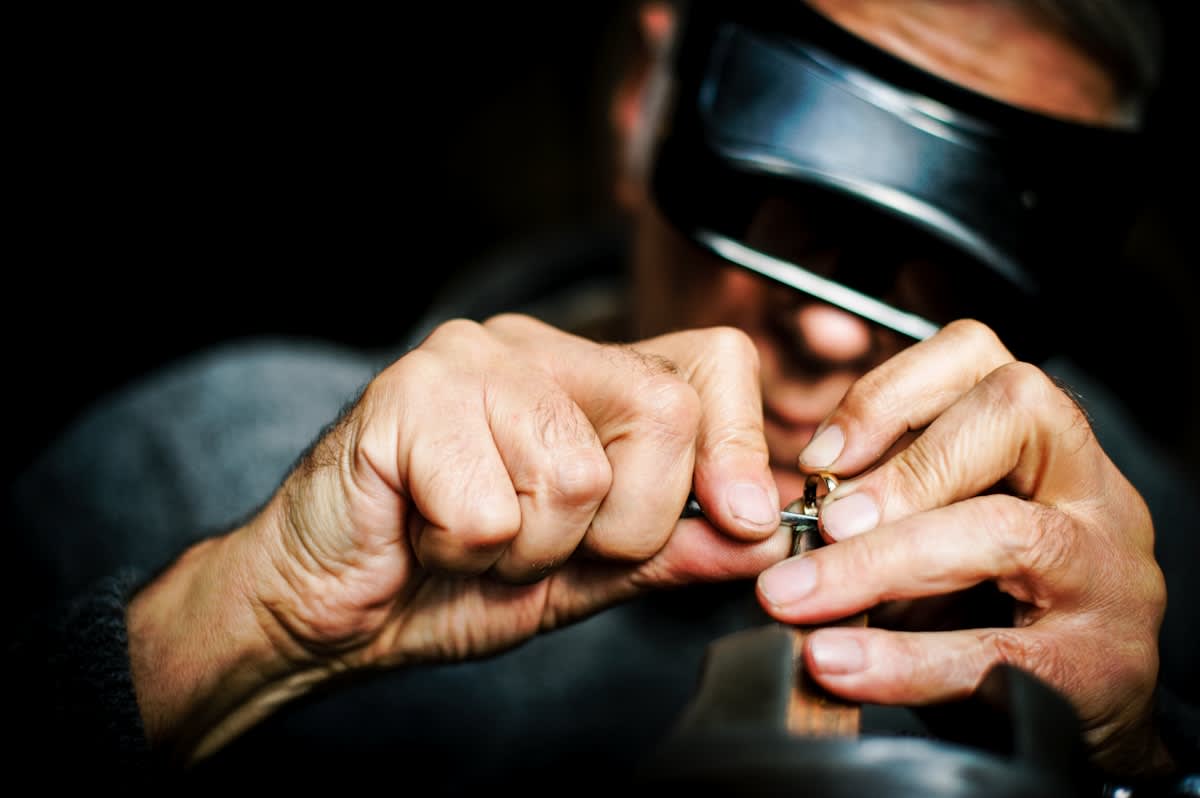
This emotional pivot creates a vacuum that traditional mass-luxury brands are ill-equipped to fill. Mass production, even at a high price point, is the antithesis of the personal connection these clients seek. Consequently, we see a resurgence in the appeal of the atelier and the independent maker. The value now resides in the friction of creation—the knowledge that an object was labored over by a human hand rather than optimized by a machine. This friction is the new luxury.
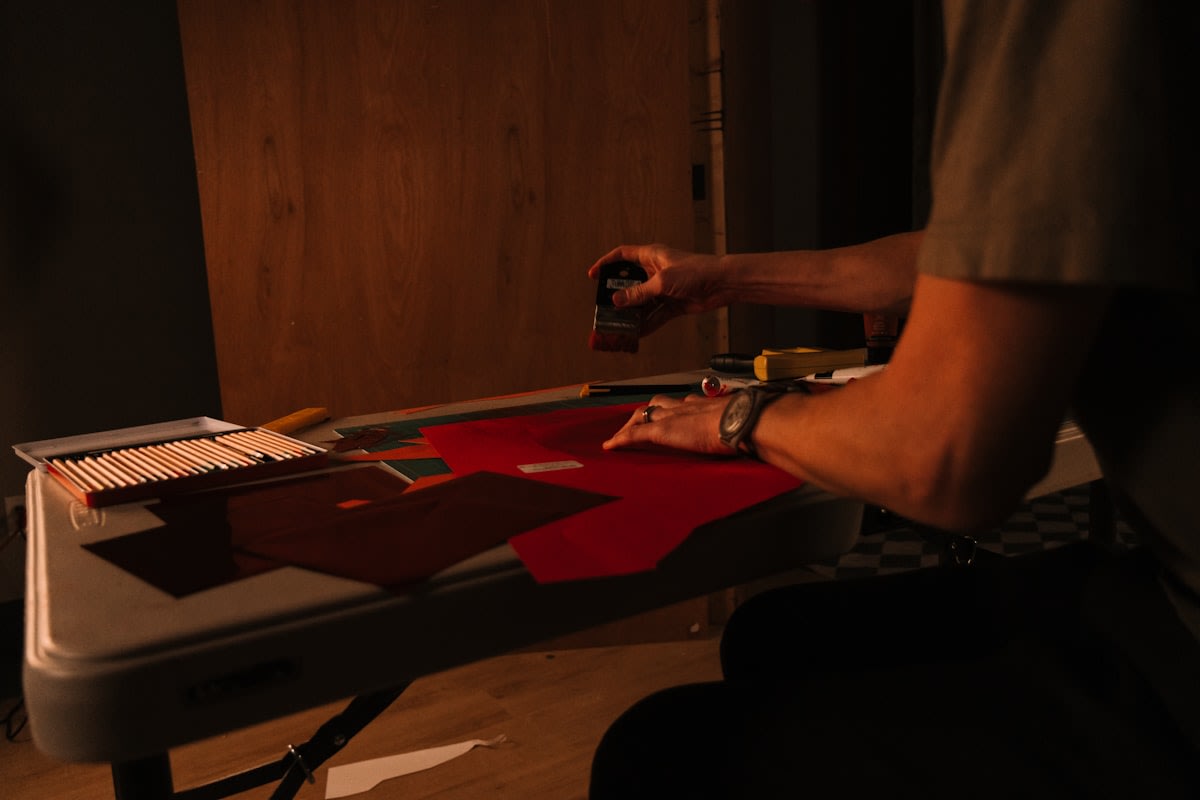
The strategic implication for the industry is clear: exclusivity is no longer about price, but about access to authenticity. When anyone with a credit card can buy a branded belt, the only remaining exclusivity is the one that cannot be mass-produced. This is why we are seeing a surge in demand for bespoke services and one-of-a-kind pieces that possess a tangible, direct connection between the creator and the owner.
The Financialization of Art: High Jewelry as a Hedge
While the emotional shift drives the 'why,' the financial markets are driving the 'what.' High jewelry is currently outperforming the broader luxury sector, acting as both a status symbol and a sophisticated financial instrument. Analysts, including Anne-Laure Bismuth of HSBC, note that the desirability of jewelry is increasingly linked to the performance of financial markets. In a volatile economy, the intrinsic value of gold and precious stones provides a psychological and financial safety net that a branded handbag simply cannot offer.
Gold prices, which remain significantly higher than they were at the start of last year, have fueled the investment potential of the sector. This creates a dual-layer of luxury: the aesthetic pleasure of the piece and the clinical security of the asset. The high jewelry market is not just selling beauty; it is selling a hedge against inflation. This convergence of art and asset management is a hallmark of the new luxury era, where intelligence is the ultimate status symbol.
| Metric | Legacy Status Luxury | New Craft Luxury |
|---|---|---|
| Primary Driver | Visibility and Social Signaling | Emotional Connection and Identity |
| Market Structure | Consolidated Global Houses | Fragmented, Niche, and Unbranded |
| Value Proposition | Brand Equity/Logo Recognition | Intrinsic Material Value and Provenance |
| Consumer Goal | Extrinsic Validation | Intrinsic Satisfaction and Investment |
| Production Logic | Scalable Luxury | Handmade/Bespoke Friction |
This financialization is further evidenced by the rise of the 'industry outsider.' The jewelry sector is becoming increasingly fragmented, with more than half of all sales remaining unbranded. This is a staggering statistic that signals a collapse in the dominance of the traditional luxury conglomerate. Entrepreneurs from disparate fields—such as Jake Lewis from the music industry or Milka Karaağaçlı İnce, a former advertising executive in Istanbul—are successfully carving out niches by focusing on the object itself rather than the brand name.
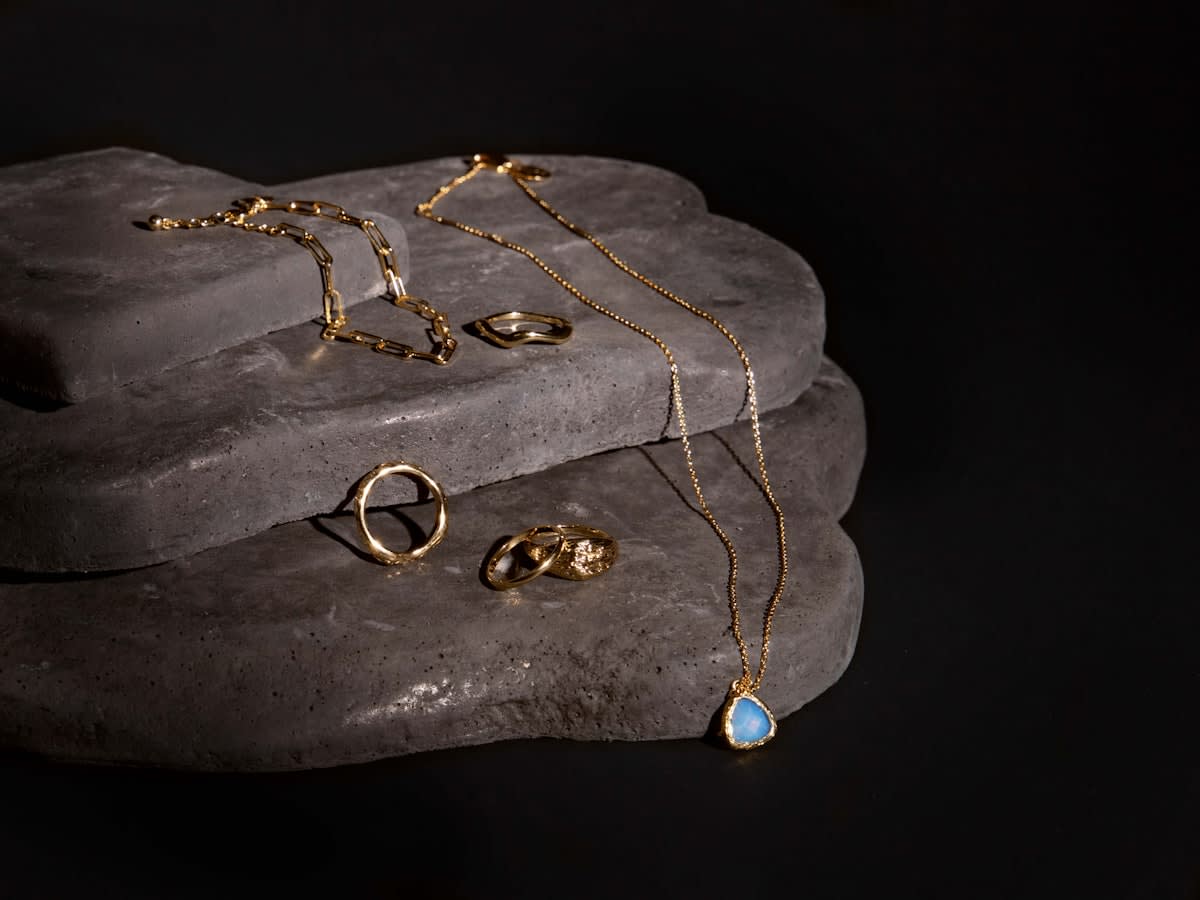
These outsiders are not competing with the legacy houses on their own terms. They are not trying to build global empires; they are building intimate connections. By remaining unbranded or niche, they offer a form of exclusivity that is invisible to the uninitiated. The pleasure for the buyer is not in the recognition of the brand, but in the secret knowledge of the maker's skill.
Tactile Honesty and the Berlin Experiment
The desire for this tangible connection is manifesting in radical ways across Europe. In Berlin's Kreuzberg district, designers Jale Richert and Michele Beil are redefining the retail experience by blending their workspace with their store. Their approach is centered on 'honesty'—a direct, unmediated connection with the customer. By auctioning handmade items from their Spring 2027 collection, such as ceramic underwear detailed with antique pipettes, they are challenging the very definition of what a luxury product should be.
This is not about the utility of the garment, but about the truth of its creation. The use of ceramics and manual dripping processes represents a rebellion against the sterile perfection of industrial luxury. In this context, the 'imperfection' of the handmade is the ultimate luxury. It proves that the object exists in the physical world, created by a human in a specific place at a specific time. This locality is a powerful antidote to the placelessness of globalized luxury.
The Strategic Pivot
The shift from visibility to identity marks a transition from 'conspicuous consumption' to 'conspicuous knowledge.' The status symbol is no longer the object, but the ability to appreciate why the object is rare.
When we analyze these disparate signals—the emotional drivers in China, the investment-grade jewelry in London, and the tactile experiments in Berlin—a unified narrative emerges. The global elite are seeking a way to decouple their identity from the corporate machinery of luxury. They are moving toward a system where value is derived from the intersection of emotional meaning, financial resilience, and artisanal honesty.
This is a systemic correction. For too long, luxury was equated with the ability to pay a premium for a logo. Now, the premium is being paid for the absence of the logo and the presence of the maker. The new ultimate status symbol is not something that can be bought off a shelf in a flagship store; it is something that requires a relationship, a story, and a deep understanding of craft.
Ultimately, the rise of traditional craftsmanship as the new luxury is a reclamation of the human element. In an age of algorithmic curation and digital reproduction, the only thing that cannot be faked is the physical labor of a master practitioner. This makes the handmade object the only remaining authentic signal of status in a world of simulated prestige.