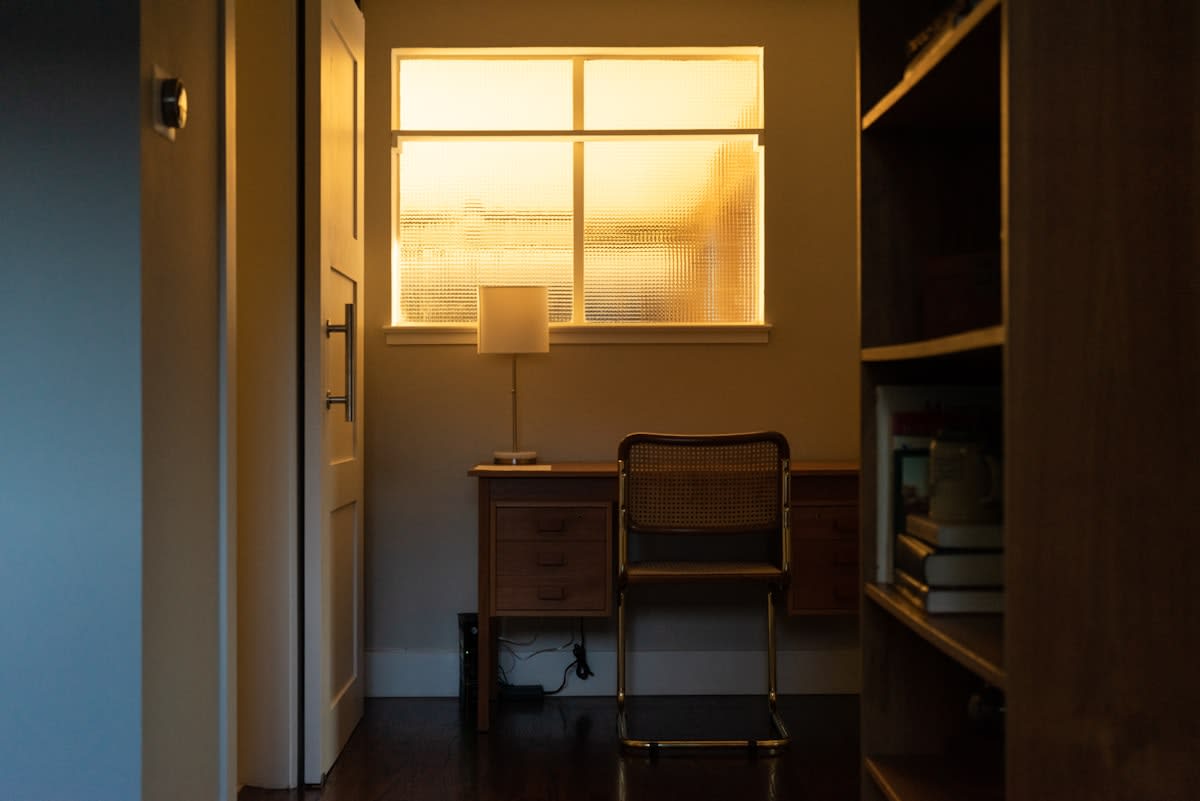
Why does your brain feel fried by 3 PM even when your task list is half-finished? The answer rarely lies in your willpower. Instead, look at your walls, listen to the hum of your refrigerator, and feel the grit on your desk. Your environment is constantly talking to your nervous system, and most of the time, it is screaming. We exist in a state of sensory bombardment that triggers a low-level, chronic stress response, draining your cognitive reserves before you even open your laptop. This is not a crisis of productivity, but a failure of environmental design.
A sensory audit is not about interior design or aesthetic trends. It is a clinical evaluation of how your surroundings impact your prefrontal cortex. By identifying the specific triggers that cause neural friction, you can transition your space from a source of distraction to a tool for cognitive recovery. Whether you are in a high-rise in Tokyo or a cottage in the Cotswolds, the biological requirements for calm remain the same. You need a space that reduces the load on your working memory and allows your mind to settle into a state of flow.
Prerequisites for the Audit
Before you move a single piece of furniture, you must adopt the mindset of a neutral observer. You cannot audit a space while you are emotionally attached to the objects within it. You need to view your room as a series of inputs—light, sound, texture, and scent—rather than a collection of memories or possessions. The goal is to identify which inputs are supportive and which are parasitic.
- A physical notebook and pen (digital notes create more screen-time friction)
- A decibel meter app (to quantify sonic pollution)
- A blindfold or sleep mask (to isolate auditory and olfactory senses)
- Three hours of uninterrupted time
- A willingness to discard objects that serve no cognitive or functional purpose
Core Concept
The 'Neural Load' Principle: Every object in your visual field requires a small amount of processing power. A desk with ten unnecessary items is not just messy; it is a constant, silent drain on your attention span.
Once your tools are ready, the process begins with a systematic sweep. We do not tackle everything at once. To do so would be overwhelming and counterproductive. Instead, we isolate each sense, stripping away the noise layer by layer. This prevents the 'sensory overlap' that often masks the true source of your agitation.
The Step-by-Step Sensory Audit
- The Visual Sweep: Start by standing in the center of the room. Identify every 'visual anchor'—objects that draw your eye away from your primary task. Research suggests that visual clutter can lead to a 40% decrease in focus. Apply the 'Ma' concept from Japanese design: prioritize the empty space between objects. Remove anything that does not provide immediate utility or deep emotional resonance. Clear your surfaces completely, then add back only what is essential for the next four hours of work.
- The Acoustic Layering: Close your eyes and sit in silence for five minutes. Use your decibel meter to identify the 'invisible noise'—the buzz of a server, the distant drone of traffic, or the whine of an old AC unit. These sounds often fall into the background but keep the amygdala in a state of high alert. Implement acoustic dampening using heavy curtains or rugs, common in Scandinavian interiors to combat echo. If the noise is external and uncontrollable, introduce brown noise—which is deeper and more soothing than white noise—to mask the spikes in sound.
- The Olfactory Anchor: Scent is the only sense with a direct line to the limbic system, the brain's emotional center. Evaluate your air quality. Is the room stale? Does it smell of old coffee or cleaning chemicals? These scents can trigger subconscious stress or lethargy. Introduce a singular, consistent scent associated only with deep work—such as rosemary or peppermint—to create a psychological trigger. Ensure cross-ventilation to prevent CO2 buildup, which can slash cognitive performance by up to 15% in poorly ventilated rooms.
- The Haptic Optimization: Touch the surfaces where your body makes contact. Is your chair causing micro-stresses in your lower back? Is your keyboard clunky? The tactile experience of your environment informs your brain whether you are in a 'safe' or 'stressful' zone. Replace synthetic, scratchy fabrics with natural textures like linen, wool, or polished wood. In many Brazilian architectural traditions, the integration of organic materials is used to lower heart rates and reduce cortisol levels.
- The Lighting Calibration: Analyze your light sources. Harsh overhead fluorescent lighting mimics a high-stress environment and can disrupt your circadian rhythm. Shift toward 'layered lighting.' Use a bright, cool-toned light for active work and a warm, dim lamp for recovery. Position your desk perpendicular to a window to maximize natural light without creating screen glare, which causes ocular fatigue and subsequent mental exhaustion.
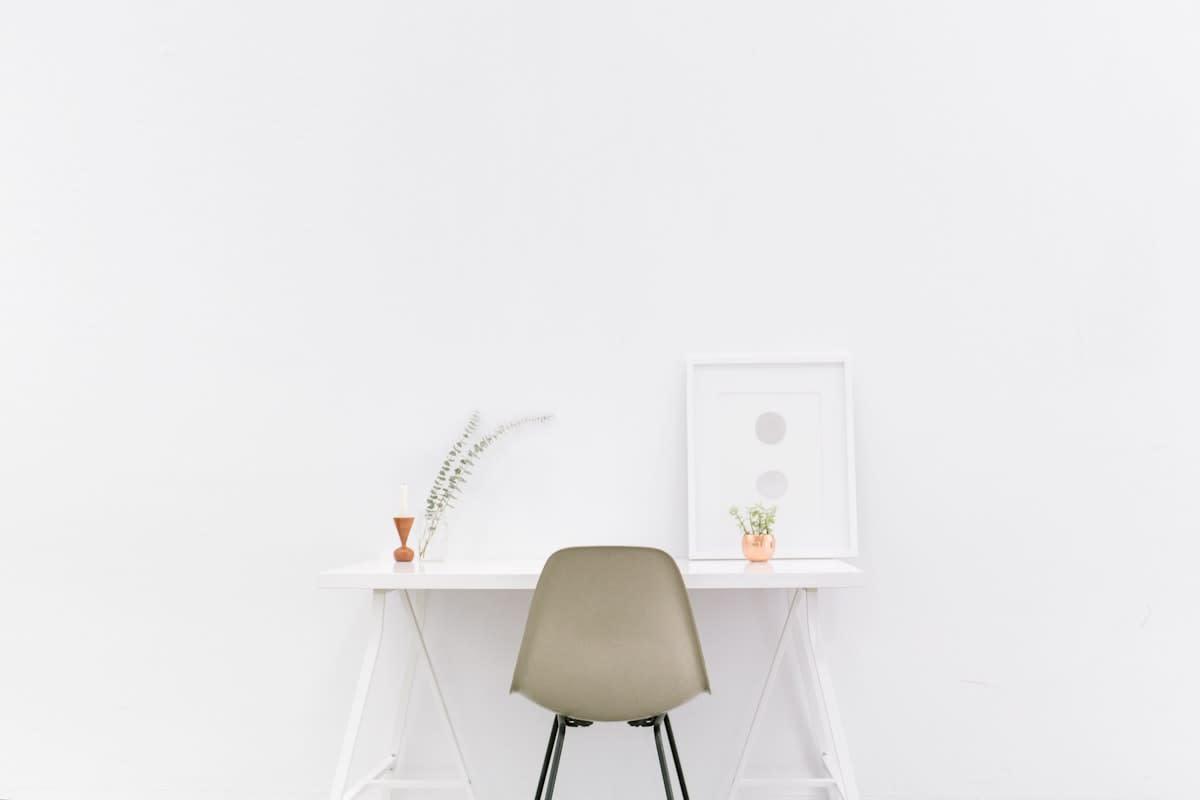
After completing these steps, you will likely find that your space feels physically lighter. This is because you have reduced the 'sensory tax' your brain pays every second it spends in the room. The transition from a chaotic environment to a calibrated one is often felt as a sudden drop in baseline anxiety. You aren't just cleaning a room; you are optimizing a biological interface.
Quantifying the Impact
To understand the efficacy of a sensory audit, we must look at the data regarding environmental psychology. The impact of these changes is not subjective; it is measurable. When we reduce ambient noise and optimize lighting, we are directly influencing the production of cortisol and dopamine.
| Sensory Trigger | Cognitive Impact | Audit Solution | Expected Outcome |
|---|---|---|---|
| High Visual Clutter | Increased Cortisol / Distraction | Negative Space Implementation | Higher Sustained Attention |
| Unpredictable Noise | Amygdala Hyper-activation | Brown Noise / Dampening | Lowered Baseline Anxiety |
| Poor Ventilation | CO2-induced Brain Fog | Cross-Ventilation / Plants | 15% Increase in Alertness |
| Blue Light Overload | Circadian Disruption | Warm-toned Layered Lighting | Improved Sleep/Recovery |
Consider the difference between a sterile office and a biophilic one. Integrating nature—even just a few desk plants—can lead to a measurable increase in productivity. This is not about aesthetics; it is about the evolutionary preference for organic patterns over the hard lines of industrial design. By mimicking the natural world, you signal to your brain that the environment is hospitable, allowing it to shift from 'survival mode' to 'creation mode'.
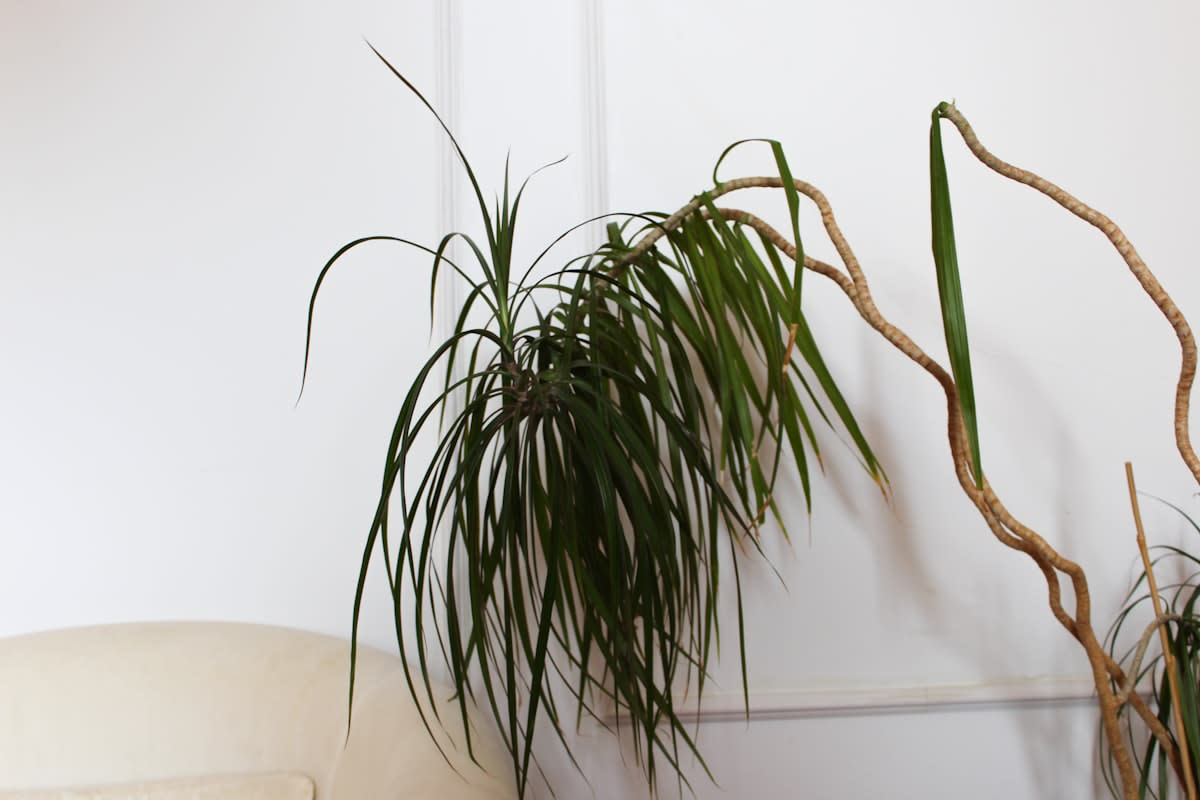
The ultimate goal of the sensory audit is to create a 'cognitive sanctuary.' This is a space where the external world is muted enough that the internal world can become loud. When you remove the friction of a buzzing light or a cluttered desk, you free up significant bandwidth for complex problem-solving and creative synthesis.
Common Pitfalls in Sensory Design
Many people fail their sensory audit because they confuse minimalism with sterility. A room that is too empty can become an 'acoustic vacuum,' where every small sound is magnified, creating a different kind of stress. The aim is balance, not void. If you strip away everything, you may find the lack of stimulation leads to boredom and a subsequent drop in focus.
Another frequent error is the 'one-and-done' mentality. Your sensory needs change based on the time of day and the nature of your work. A high-energy brainstorming session requires different lighting and sound than a deep-dive analytical report. If you treat your environment as a static entity, you miss the opportunity for dynamic optimization.
- Over-sterilizing: Removing all personality can lead to a lack of emotional comfort, which is essential for long-term resilience.
- Ignoring the 'Invisible': Focusing only on the visual and ignoring scents or air quality.
- The Tech Trap: Replacing one digital distraction with another 'productivity' gadget that adds more visual and auditory noise.
- Neglecting Ergonomics: Having a beautiful, quiet room but sitting in a chair that causes physical pain.
"The environment is the invisible hand that shapes our behavior. To change the output of the mind, you must first change the input of the room."— Master Practitioner's Axiom
Finally, avoid the temptation to buy your way into calm. You do not need expensive Italian furniture or high-end soundproofing panels to achieve cognitive calm. The most effective changes—clearing a desk, opening a window, or switching a lightbulb—cost almost nothing. The value is in the audit, not the acquisition.