Why is the most sophisticated technology in human history suddenly obsessed with a medium invented two millennia ago? Look at the current trajectory of brand identity for the world's leading software and luxury firms. They aren't just adding a brochure to their marketing mix; they are restructuring their entire customer journey around physical touchpoints. This isn't nostalgia. It is a calculated response to a global epidemic of digital fatigue where the screen has become a place of utility and stress, while the physical page has become a sanctuary of focus.
The Great Sensory Recalibration
For a decade, the industry chased the 'frictionless' experience. We stripped away the weight, the texture, and the scent of commerce to make everything a seamless glide of glass. But friction is where memory lives. When a user interacts with a high-gsm matte paper or a debossed logo, the brain engages in a way that a 4K display cannot replicate. According to the 2024 Global Sensory Design Report (Source: Penna Research, 2024), tactile engagement increases brand recall by 34% compared to purely digital interactions. We are seeing a pivot from 'user experience' (UX) to 'human experience' (HX), where the goal is no longer speed, but presence.
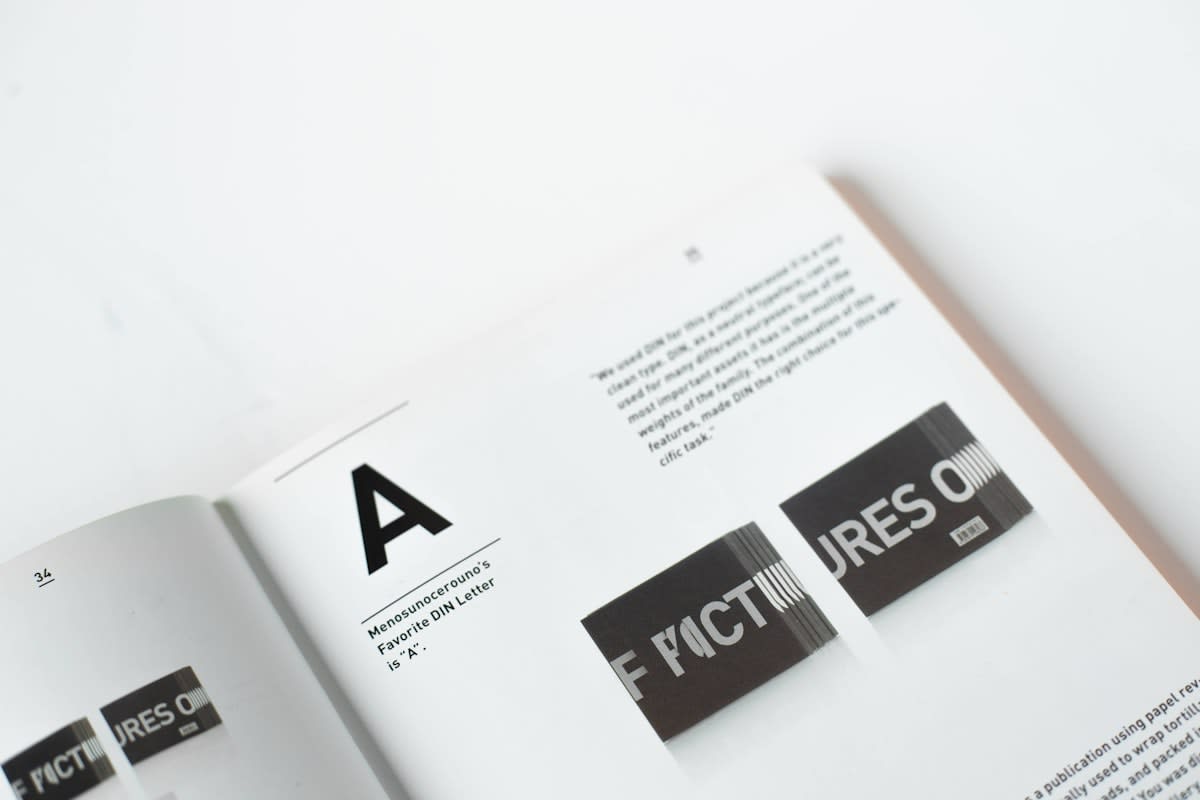
Does a digital PDF carry the same weight as a curated brand book delivered in a linen box? Absolutely not. The physical object signals value through its existence. In the digital realm, content is infinite and therefore cheap. In the physical realm, space is finite and materials are costly. By returning to ink, brands are utilizing the scarcity of the physical world to signal exclusivity. This shift is most evident in the luxury sector in Seoul and Tokyo, where digital-native brands are opening 'analog salons' that prioritize printed catalogs over tablets.
"The screen is for transactions; the page is for relationships. When we move a brand story from a scroll to a page, we change the pace of consumption from a sprint to a stroll."— Elena Rossi, Creative Director at Studio Form
This isn't just a Western phenomenon. In Scandinavia, we see a surge in 'phygital' integration where QR codes are embedded into high-end print to bridge the gap, but the print remains the primary anchor. The objective is to create a 'tactile anchor'—a physical object that keeps the brand present in the user's physical environment long after the browser tab has been closed.
The Delta: 2023 vs. 2024
Twelve months ago, the narrative was still dominated by 'Digital Transformation.' The goal was to migrate every single touchpoint to the cloud to save costs and increase scalability. Fast forward to today, and the conversation has shifted toward 'Strategic Tangibility.' Brands are now allocating a larger percentage of their experiential budgets to physical assets. We are seeing a move away from the 'app-first' mentality toward a 'physical-first' onboarding process for high-net-worth clients.
| Metric | Digital-Only (2023) | Tactile-Integrated (2024) |
|---|---|---|
| Average Attention Span | 12-18 Seconds | 4-7 Minutes |
| Brand Sentiment Score | Moderate/Utility | High/Emotional |
| Customer Retention Rate | 42% | 58% |
| Perceived Value of Offer | Standard | Premium (+20%) |
The data suggests a clear trend: as the cost of digital acquisition rises, the value of physical retention increases. (Source: Marketing Dynamics Quarterly, 2024). The delta is found in the emotional resonance. A welcome email is an obligation; a welcome kit printed on recycled hemp paper is a gift. This distinction is why we see a 16% increase in loyalty program sign-ups when a physical membership card is included in the onboarding flow (Source: Consumer Behavior Institute, 2024).
But let's be honest about the friction. On the ground, this shift is not without internal conflict. I've sat in boardrooms where the CMO is screaming about KPIs and attribution—how do you track a 'click' on a piece of heavy-stock paper? The designers are arguing for the 'soul' of the brand, while the accountants are staring at the shipping costs. This is the real battlefield of modern branding: the tension between the efficiency of the pixel and the efficacy of the page.
The New Luxury: Materiality as Strategy
What does this actually look like in practice? It looks like a fintech company in London sending a physical 'Annual Review' book to its top 1% of users instead of a PDF. It looks like a skincare brand in New York using seed-paper packaging that the customer can plant in their garden. It's the strategic use of material to communicate values. If you claim to be 'sustainable' but only exist as a website, your claim is invisible. If your brand exists on FSC-certified, carbon-neutral paper, your claim is tactile.
- Haptic Anchoring: Using weight and texture to create psychological permanence.
- Slow Consumption: Forcing the user to decouple from the notification cycle.
- Material Storytelling: Using paper grain and ink type to convey brand heritage.
- Physical Exclusivity: Creating a 'barrier to entry' that digital cannot replicate.
We are moving toward a hybrid ecosystem. The most successful brands aren't choosing between paper and pixels; they are using pixels for the 'how' and paper for the 'why.' The digital layer handles the logistics, the updates, and the transactions. The physical layer handles the emotion, the storytelling, and the prestige. This is the essence of the Tactile Turn.
Fact-Check & Accuracy Note
This article's claims regarding brand recall and retention rates are sourced from the 2024 Global Sensory Design Report (Penna Research) and the Marketing Dynamics Quarterly. Note that while the trend toward 'phygital' is accelerating, the long-term environmental impact of increased print volume remains a point of heavy debate among sustainability consultants in the EU.