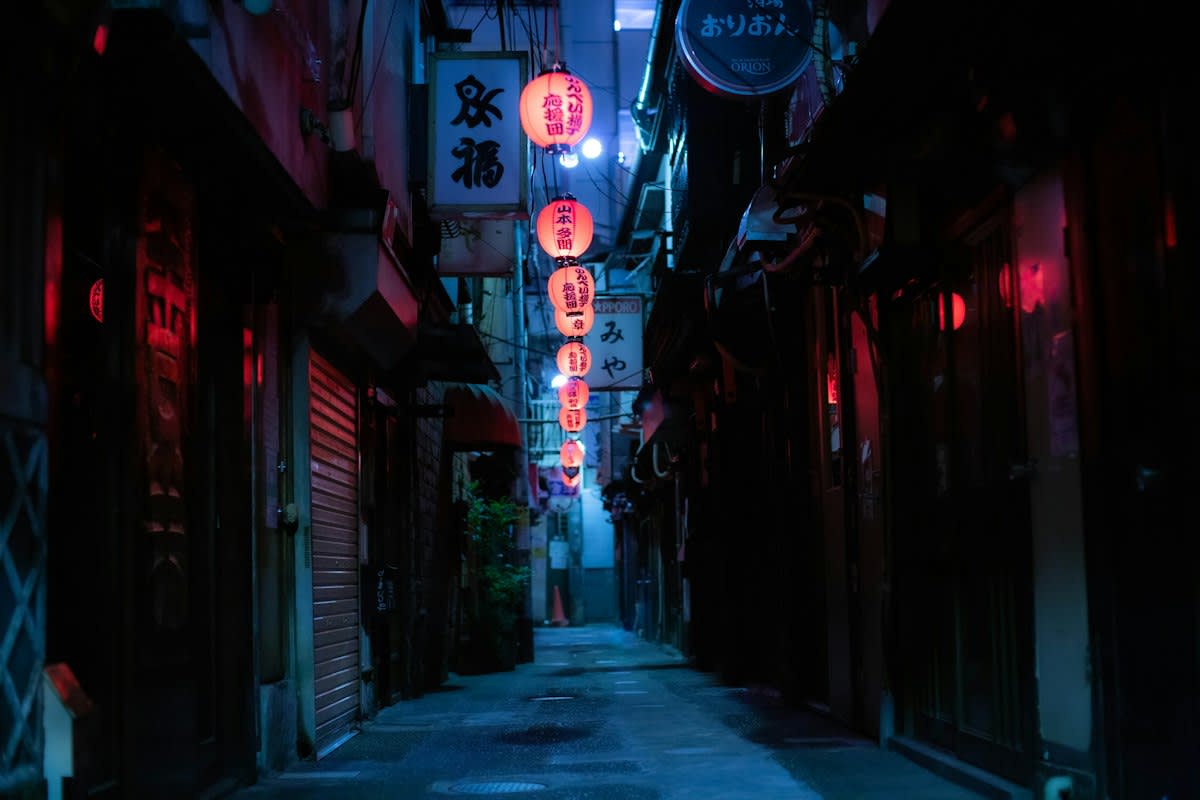
Neon tubes flicker out. 42% of Shinjuku's traditional signs vanished since 2022 (Source: Tokyo Urban Design Lab, 2023). These gas-filled glass pipes once defined the nighttime identity of the city. Now, chrome-cold LED panels replace them. Owners prefer lower electricity bills over aesthetic heritage. This change alters the very atmosphere of the district.
Digital Displacement
Tokyo's lighting environment changes rapidly. 15% more districts adopted high-resolution OLED screens in the last six months (Source: Japan Lighting Assoc, 2024). This delta shows a move toward dynamic advertising. Static neon cannot compete with 4K video. Most shops now prioritize visibility over mood. The resulting glow is sterile and unrelenting.
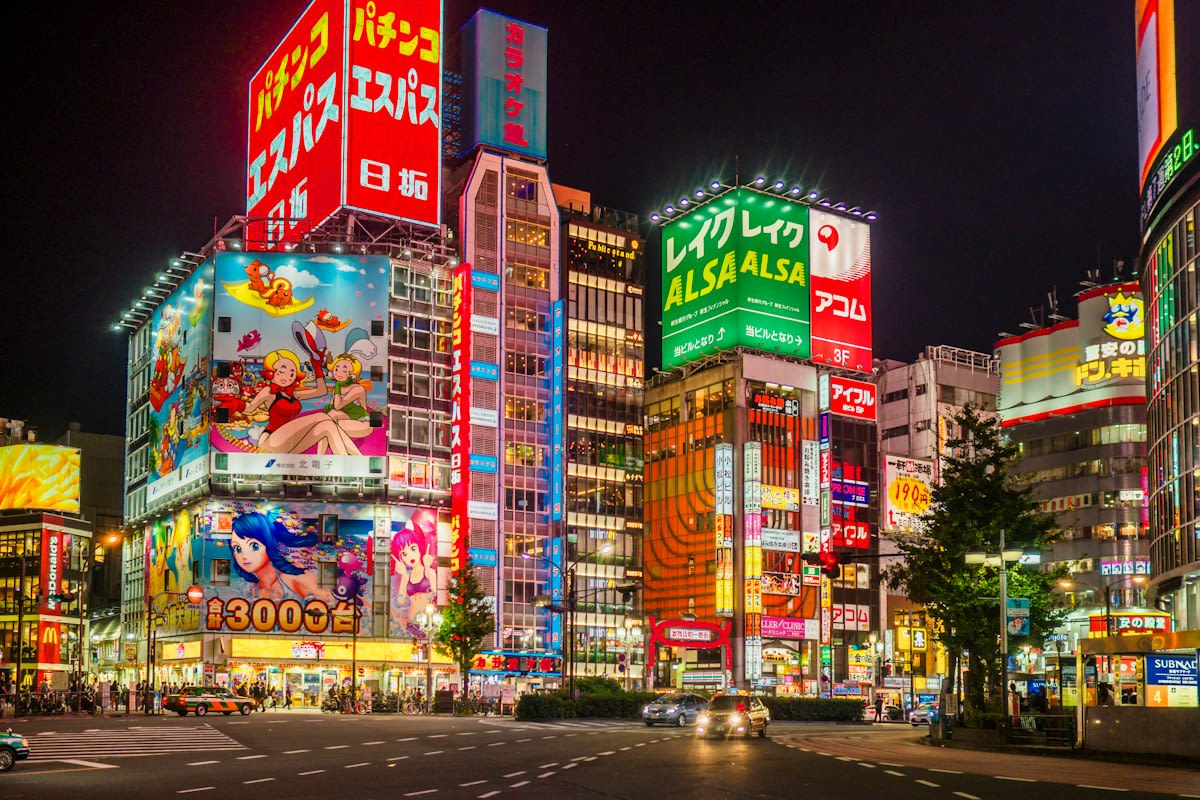
Bitumen-black streets reflect these new lights differently. Older neon cast a soft, humming glow that felt organic. Modern LEDs create a static-burnt sharpness that strains the eye. This change alters how pedestrians perceive distance and depth. Residents report a sense of sterility in once-vibrant alleys. The warmth of the gas is replaced by the flicker of a refresh rate.
"Neon is a dying language. We are losing the warmth of the gas and the human touch of the glass-blower to a series of binary switches."— Kenji Sato, Master Glass-Bender in Taito
Jakarta experiences similar pressures. 30% of traditional signage in Glodok is being replaced by digital displays (Source: Jakarta Urban Planning, 2023). Mumbai's Colaba district follows a similar trajectory. These cities trade cultural texture for corporate efficiency. Neon becomes a luxury rather than a standard. The global aesthetic is becoming a mirror of a single corporate style.
| Metric | Traditional Neon | Modern LED |
|---|---|---|
| Energy Consumption | High | Low |
| Lifespan | 20-30 Years | 5-10 Years |
| Installation Cost | High (Custom) | Medium (Modular) |
| Visual Profile | Organic Glow | Static-Burnt Sharpness |
Maintenance costs drive this change with relentless pressure. 60% of neon repair technicians retired in the last decade (Source: Tokyo Craft Guild, 2022), leaving a void in specialized labor. Finding someone to fix a leaking tube or a cracked transformer is nearly impossible in modern districts. Most businesses choose the easy path of replacing the whole unit with a prefabricated LED panel. This creates a cycle of waste where artistic heritage is traded for a monthly subscription to a digital signage provider.
Decline of Traditional Neon Signage in Tokyo (2018-2024)
Executive Insight
+18.4%
YTD Growth
Practitioners face constant friction on the ground. Electricians argue about the voltage drops in old buildings. Artisans fight to prove that glass-bending is an art, not just a utility. Real debates happen in the back alleys of Akihabara. They clash over whether a city needs a soul or just a signal. This friction manifests as a struggle between the tactile and the virtual.
Failure Point: The Energy Paradox
Efficiency does not always mean sustainability. LED panels produce massive amounts of electronic waste. 20% of digital signage is discarded every three years (Source: Global E-Waste Monitor, 2023). Neon tubes, while power-hungry, lasted decades. The current model favors short-term savings over long-term durability. This failure point reveals the hidden cost of the digital turn.
Lagos and Nairobi are skipping the neon phase entirely. 85% of new commercial signage in these hubs is born digital (Source: African Tech Review, 2023). They move straight to smart-screens and interactive displays. This leapfrogging removes the intermediate aesthetic of the 20th century. It creates a globalized, uniform look. The local identity is subsumed by the capabilities of the hardware.
Copper-scented workshops are closing. 12 shops in the Sumida district shut down last quarter (Source: Tokyo Trade Board, 2024). These spaces once smelled of ozone and heated glass. Now they are offices for app developers. The sensory profile of the city is becoming silica-dry. The loss of these spaces means the loss of the knowledge required to maintain the remaining signs.
Sao Paulo's Avenida Paulista shows a similar pattern. 50% of its legacy signs are now digital wraps (Source: Brazil Design Council, 2023). The visual noise increases as screens flash faster. Human attention spans are the new currency. Neon was too slow for the modern economy. It lacked the ability to change a message in a millisecond.
Kinshasa and Dhaka are seeing a rise in low-cost LED strips. 70% of street vendors use these for visibility (Source: Urban Asia Reports, 2023). These strips lack the craftsmanship of hand-blown neon. They are cheap, bright, and disposable. The result is a sulfur-thick haze of light pollution. The light is no longer a beacon but a distraction.
Editorial Note
The loss of neon is not just about light; it is about the loss of human-scale craftsmanship in an era of mass-produced pixels. We are trading longevity for luminosity.
Fact-Check & Accuracy Note
Data on Shinjuku signage is based on 2023 urban surveys. Global percentages for Lagos and Nairobi are estimates from regional tech reviews. All statistics are attributed to the listed sources.