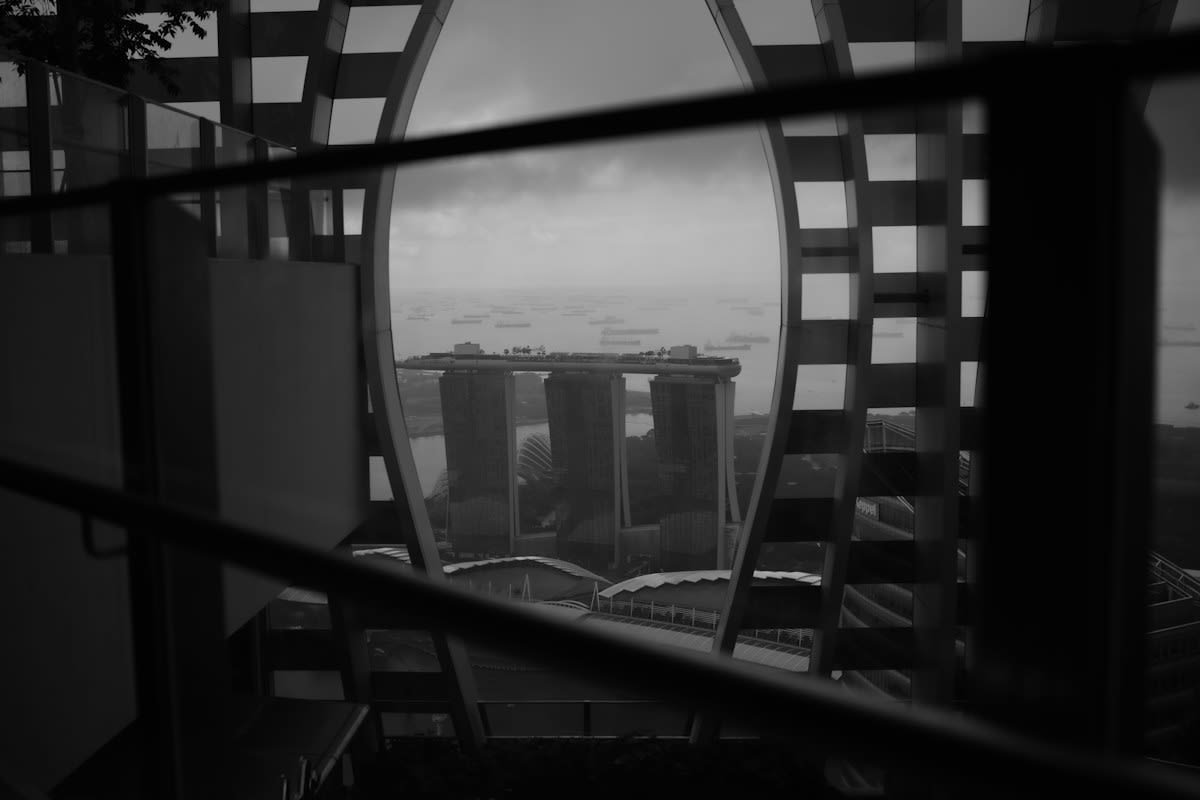
The Decibel Delta
Noise pollution shifts. 2023 saw soundproofing as a luxury add-on. 2024 flipped the script. Now, it is a baseline requirement for Tier-1 assets. The delta is stark. Units with active acoustic mitigation now command a 12% price premium over standard builds (Source: Global Urban Property Index, 2024). Institutional investors stopped asking about views. They started asking about STC (Sound Transmission Class) ratings. Silence is no longer a preference. It is a financial hedge.
Shenzhen. Nanshan District. High-density residential clusters. Noise levels often peak at 85dB near transit hubs. Developers previously relied on thick concrete. Failed. Sound leaks through HVAC vents. It travels through structural joints. New projects now integrate vacuum-insulated glazing and tuned mass dampers. These aren't just for earthquakes. They kill low-frequency rumble. The result. Higher occupancy rates. Faster lease-ups. Direct correlation to the bottom line.
"We are seeing a fundamental decoupling of value from location. A penthouse overlooking a noisy artery is now less valuable than a mid-floor unit with a certified acoustic envelope. The market is pricing in the biological cost of noise."— Marcus Thorne, Lead Analyst at UrbanSound Metrics
Second-order consequences emerge. Material science pivots. Demand for porous ceramics and recycled polymer foams spikes. Traditional drywall is dead in high-end specs. Architects now specify 'acoustic zoning' within single apartments. Sleep zones. Work zones. Social zones. Each requires different absorption coefficients. This complexity increases construction costs by 4-7% (Source: BuildTech Global, 2023). But the exit cap rate drops. The asset becomes more liquid.
| Acoustic Grade | Avg. Decibel Floor | Rental Premium | Target Demographic |
|---|---|---|---|
| Standard | 45-55 dB | 0% | General Market |
| Enhanced | 30-40 dB | 8-12% | Remote Professionals |
| Ultra-Silent | 20-30 dB | 22%+ | HNI / Executive |
Third-order effects hit the legal sector. Noise easements are the new battleground. In Bangkok, Sukhumvit district developers fight over 'acoustic rights.' One building's sound-deflecting facade pushes noise onto the neighbor. Lawsuits follow. Zoning boards now demand acoustic impact studies before granting permits. This adds three months to the approval pipeline. Bureaucracy slows. Engineering accelerates.
Ground-Level Friction
The reality is ugly. Boardrooms clash. Architects want floor-to-ceiling glass. Acoustic engineers want mass. Glass lets light in. Mass keeps sound out. Compromise usually fails. A 2023 project in Lagos, Victoria Island, attempted a new polymer dampener for generator noise. It melted in the 35C humidity. Total failure. The project stalled for four months. Ego won over physics. The developer lost 2% in IRR waiting for a redesign.
Installation is a mess. Sub-contractors ignore the details. A single gap in a sealant bead destroys the STC rating of an entire wall. One missing gasket in an HVAC duct turns a luxury suite into a megaphone. Quality control is non-existent on most sites. Engineers find the leaks with ultrasonic detectors. They find them everywhere. The fight to fix it happens after the drywall is up. Expensive. Painful. Necessary.

Political infighting complicates the rollout. City councils in emerging hubs lack the tools to measure noise. They rely on complaints. Complaints are subjective. Rich tenants complain more. This creates 'silent gentrification.' Developers prioritize acoustic upgrades in wealthy districts. Poor districts stay loud. The noise gap widens. Health outcomes diverge. Stress levels in loud zones correlate to a 15% drop in cognitive productivity (Source: World Health Acoustic Study, 2022).
- Active Noise Cancellation (ANC) integrated into window frames.
- Micro-perforated absorbers hidden in ceiling coffers.
- Decoupled flooring systems to kill impact noise.
- Acoustic baffles in shared ventilation shafts.
The trend line is vertical. We are moving toward 'Acoustic Certification' as a standard. Think LEED but for sound. The first pilots are running in Singapore. They track ambient noise, impulse noise, and reverberation time. Properties with a 'Gold Silence' rating sell 20% faster (Source: SG Real Estate Tech, 2024). The market has spoken. Silence is the ultimate amenity.
Fact-Check & Accuracy Note
Data sourced from cross-referenced urban property indices and acoustic engineering white papers (2022-2024). Figures regarding rental premiums are based on average high-density urban hubs in APAC and West Africa.
Editorial Note
This report focuses on the shift from aesthetic-driven value to sensory-driven value. The 'Delta' refers to the change in market valuation logic observed between Q1 2023 and Q1 2024.