Karnataka Deputy CM Parameshwara writes to Modi, Shah seeking inclusion of State’s SC/ST reservation law in Ninth Schedule on the lines of Tamil Nadu
Source Entity
India Latest News: Top National Headlines Today & Breaking News | The Hindu
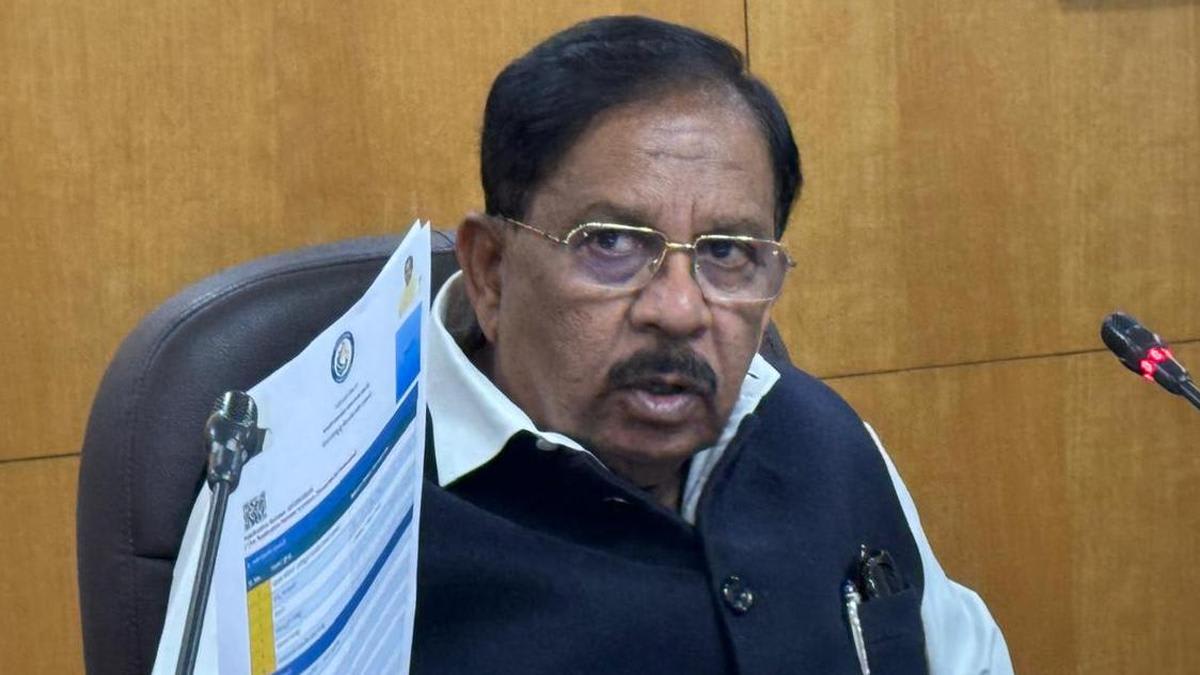
Karnataka Deputy CM G. Parameshwara has urged the Union government to include the state's 2022 SC/ST reservation law in the Ninth Schedule of the Constitution. This move aims to protect the state's 56% total reservation quota from legal challenges following a recent High Court ruling.
Constitutional Safeguards: Karnataka’s Push for Reservation Protection
Karnataka Deputy Chief Minister G. Parameshwara has formally reached out to the Union government, including Prime Minister Narendra Modi and Home Minister Amit Shah, to advocate for the inclusion of the Karnataka Scheduled Castes and Scheduled Tribes (Reservation) Act, 2022, into the Ninth Schedule of the Constitution. This request, made via letters dated November 12, represents a critical effort by the state government to insulate its reservation policies from judicial scrutiny.
The Legal Impasse
The core of this request stems from a direct confrontation between state legislative intent and judicial interpretation. The Karnataka High Court recently struck down the state’s decision to enhance reservation quotas to 17% for Scheduled Castes and 7% for Scheduled Tribes. This enhancement had pushed the total reservation threshold in the state to 56%, effectively breaching the 50% ceiling established by the Supreme Court in the landmark Indra Sawhney judgment. By seeking Ninth Schedule protection, the Karnataka government aims to replicate the legal immunity currently enjoyed by Tamil Nadu’s 69% reservation framework.
The Precedent of the Ninth Schedule
Article 31B of the Indian Constitution provides that acts listed in the Ninth Schedule are immune from being challenged on the grounds that they violate fundamental rights. This constitutional mechanism has historically served as a shield for state-level social justice legislation. By drawing a parallel to Tamil Nadu’s longstanding reservation model, Mr. Parameshwara is arguing that Karnataka’s specific socio-demographic requirements necessitate a similar constitutional firewall to ensure that the SC/ST communities do not lose access to education and public employment opportunities.
Broader Political Implications
This move places the Union government in a delicate political position. While the request is framed as a matter of social justice for marginalized communities, it also highlights the growing tension between state-led populist policy and national constitutional standards. The Karnataka government has already escalated the matter to the Supreme Court via a Special Leave Petition, demonstrating a two-pronged strategy: pursuing legal remedies in the judiciary while simultaneously lobbying for political intervention from the center.
Future Outlook and Policy Trends
If the Union government chooses to move forward with this constitutional amendment, it could set a significant precedent for other states seeking to bypass the 50% reservation cap. Conversely, a refusal or prolonged silence from the center may intensify political friction between the Karnataka state government and the Union. As India continues to navigate the complexities of affirmative action, the debate over Ninth Schedule protections will likely remain a central theme in the evolving discourse on federalism and social equity.
Verification Required?