Women must get adequate representation in Parliament, legislatures: Karnataka CM D.K. Shivakumar
Source Entity
India Latest News: Top National Headlines Today & Breaking News | The Hindu
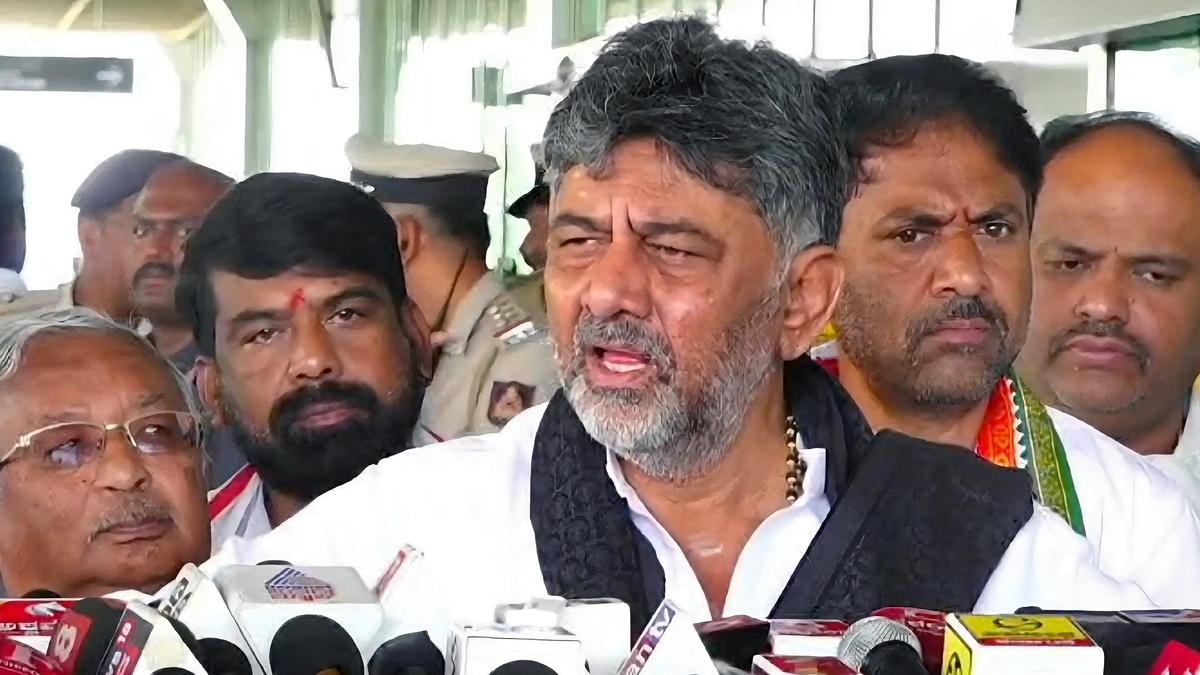
Karnataka CM D.K. Shivakumar has advocated for the urgent implementation of the Women’s Reservation Bill to ensure better gender representation. He pledged support for the upcoming Commonwealth Women Parliamentarians conference while acknowledging the lack of female representation in his own state cabinet.
Advocating for Gender Parity in Indian Governance
Karnataka Chief Minister D.K. Shivakumar recently underscored the critical necessity of increasing women's representation in India’s legislative bodies. Speaking at the logo unveiling for the Commonwealth Women Parliamentarians (CWP) India Region conference, scheduled for November 17–18 in Bengaluru, the Chief Minister articulated a vision for a more inclusive political landscape. His remarks highlight a growing national consensus on the need to move beyond symbolic gestures toward meaningful structural change.
The Status of the Women's Reservation Bill
At the core of the discussion is the Women’s Reservation Bill, a legislative milestone that has long been a subject of intense political debate. Chief Minister Shivakumar noted that while the bill has successfully navigated the Rajya Sabha, it awaits approval in the Lok Sabha. He expressed optimism regarding its passage in the upcoming Parliament session, suggesting that the formalization of this bill is essential to bridging the gender gap in both the Union Parliament and State legislatures across the country.
The Paradox of Representation in Karnataka
Despite the Chief Minister's vocal support for national gender parity, his comments arrive at a time of local scrutiny. It was noted that the current Karnataka state cabinet lacks a single woman representative. This juxtaposition between the state's official public policy stance and its internal ministerial composition highlights the complex challenges that political parties face when attempting to translate egalitarian rhetoric into administrative reality.
The Role of the CWP Conference
By hosting the Commonwealth Women Parliamentarians (CWP) India Region conference, Bengaluru is positioning itself as a hub for discourse on gender-sensitive governance. The event serves as a platform for legislators to share best practices and strategize on how to overcome the systemic barriers that keep women underrepresented in high-level decision-making roles. Such international and regional forums are vital for maintaining political momentum on gender-focused legislation.
Historical Context and Future Implications
Reflecting on the legacy of former Prime Minister Rajiv Gandhi, whose vision for grassroots democracy included the strengthening of local governance, contemporary leaders are now grappling with how to extend those ideals to the highest levels of national lawmaking. The push for the Women’s Reservation Bill is not merely a matter of social justice but a pragmatic step toward ensuring that the legislative process reflects the demographic diversity of the Indian electorate.
Moving Toward Equitable Governance
As the nation anticipates the next Parliament session, the pressure on lawmakers to deliver on the promise of the Women’s Reservation Bill will likely intensify. The success of such legislation will depend on a multi-partisan commitment to breaking traditional barriers. While the journey toward 33% representation remains arduous, the public commitment from state leaders like D.K. Shivakumar indicates that the conversation has shifted from 'if' to 'when' this fundamental change will occur.
Multiple Citing Sources
Verification Required?