‘Unacceptable’: TN Congress chief hits out at DK Shivakumar over Mekedatu dam remarks
Source Entity
The Indian Express
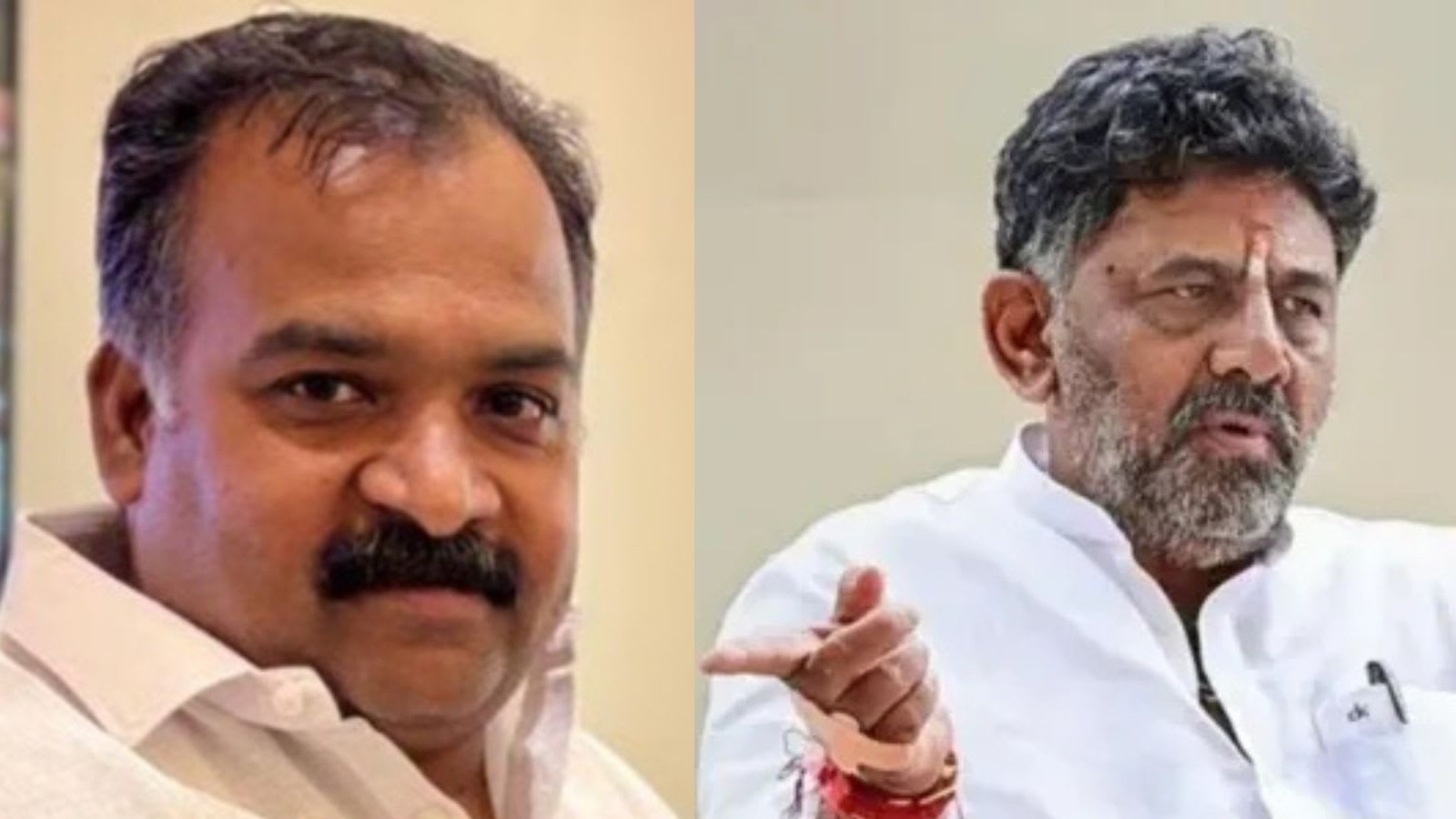
A sharp political rift has emerged between Karnataka and Tamil Nadu Congress leaders regarding the proposed Mekedatu dam project. While Karnataka maintains its right to construction, Tamil Nadu leaders argue it violates water-sharing agreements and demand a unified front against the project.
The Mekedatu Impasse: A Congress-Versus-Congress Conflict
The proposed Mekedatu balancing reservoir project on the Cauvery River has ignited a fierce political firestorm, transcending state lines and testing the internal cohesion of the Congress party. Karnataka Chief Minister DK Shivakumar has adopted an uncompromising position, asserting that the project is an inherent right of his state. This stance has drawn direct, public ire from Tamil Nadu Congress president Manickam Tagore, who has labeled the rhetoric as 'stubborn' and a direct violation of established legal frameworks.
Legal and Historical Tensions
At the heart of the dispute lies the long-standing conflict over the Cauvery water-sharing agreement. Manickam Tagore argues that Shivakumar’s push for the dam ignores the Supreme Court’s rulings and the final award issued by the Cauvery Water Disputes Tribunal. For Tamil Nadu, any infrastructure that alters the flow of the Cauvery is viewed as an existential threat to its agrarian economy, which relies heavily on the river's consistent discharge to sustain farming communities downstream.
The Political Geometry of the Dispute
The friction reached a boiling point when Shivakumar reportedly made strong remarks regarding the dam in the presence of Prime Minister Narendra Modi in Mysuru. This move was characterized by Tamil Nadu leadership as deeply condemnable, signaling a breakdown in inter-state diplomatic decorum. The political stakes are further elevated by the involvement of MK Stalin, who has called for an all-party meeting under the current Tamil Nadu administration to forge a united front against the proposed construction.
Karnataka’s Strategy and Stance
Conversely, DK Shivakumar continues to frame the project as a developmental necessity. He has attempted to soften the optics by inviting Tamil Nadu officials to engage in dialogue to discuss the potential benefits of the reservoir. However, he remains steadfast in his commitment to seeking central government approvals, maintaining that Karnataka will uphold its rights while simultaneously asserting that the state will respect the final dictates of the Supreme Court regarding equitable water distribution.
Future Implications and Outlook
This intra-party conflict presents a significant challenge for the national Congress leadership, as it pits the interests of two key state units against one another. As Tamil Nadu leaders push for a more aggressive, united political stand, the pressure on the central government to intervene in the approval process will only intensify. The outcome of this dispute will likely hinge on whether technical committees can reconcile the competing needs of the two states without further eroding the fragile political consensus surrounding the Cauvery water-sharing dispute.
Multiple Citing Sources