Stop saving files. The desperate race to archive every byte of the early internet ignores the profound artistic value found in the inevitable collapse of obsolete formats. This degradation creates a whole new aesthetic. Bit rot is gold. While curators spend millions trying to freeze digital assets in a sterile vacuum, the most daring collectors are hunting for the beautiful, jagged ruins of corrupted files. Stability is an outdated goal for modern art.
Data is fragile. When a hard drive in a humid Lagos server room begins to fail, it does not simply erase information but transforms it into a visual stutter. Collectors now view this as digital patina. Code eventually fails. The transition from magnetic tape to cloud storage has created a graveyard of unreadable files that no longer respond to any known software. These ghosts possess a strange, haunting beauty.
The Mechanics of Decay
Loss is the point. The technical process of bit rot occurs when the physical medium of a storage device degrades, flipping a single binary digit from one to zero. This creates a visual collision. Entropy is the artist. By allowing a file to exist without maintenance, the owner invites a random mechanical failure to redesign the work in real time. The machine becomes the creator.
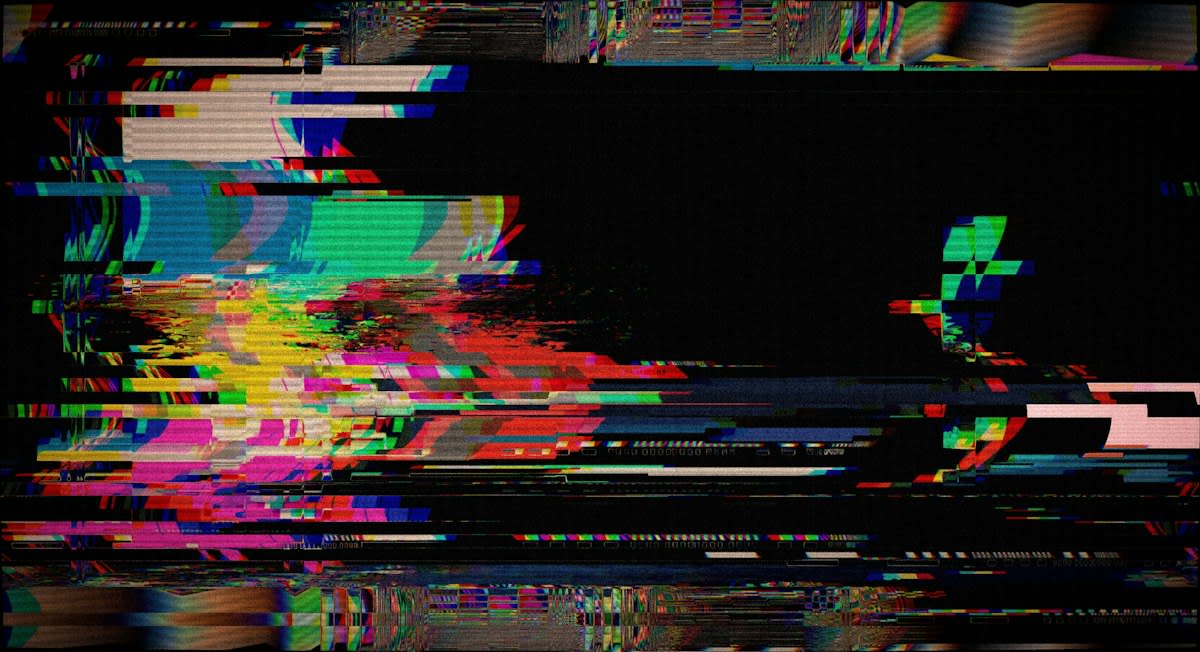
"The glitch is a wonderful invention that allows us to see the machine's internal logic through its failure."— Rosa Menkman, Artist and Theorist
Value follows ruin. In the current market, a pristine file is merely a commodity, but a corrupted file that cannot be replicated is a rare artifact. Scarcity drives the price. Since the exact sequence of data decay is dependent on specific hardware failures and environmental heat, no two rotted files are identical. This makes corruption the ultimate luxury. Owners are now paying for the evidence of death.
| Asset State | Value Driver | Market Sentiment |
|---|---|---|
| Pristine Digital | Technical Fidelity | Commoditized/Low Growth |
| Bit-Rotted File | Unrepeatable Decay | Speculative/High Growth |
| Emulated Legacy | Historical Accuracy | Institutional/Stable |
The fight is visceral. In the basement of the museum, the conservationists argue that we must emulate the original hardware to preserve the artist's intent, while the decayists demand we let the files rot. This conflict defines the current state of curation. Logic is the enemy. Those who insist on perfect restoration often strip the work of the very fragility that makes digital existence poignant and human. Authenticity lies in the break.
The Globalized Rot
Geography dictates decay. In Brazil's state archives, intermittent power surges and extreme humidity create a unique form of data erosion that differs from the sterile decay of Northern Europe (Source: National Archives of Brazil, 2019). The terrain shapes the art. This regional variation in mechanical failure allows collectors to identify the origin of a file based on the specific way its pixels have collapsed. Rot has a local dialect. It is a map of neglect.
Links are disappearing. Research indicates that a significant portion of early web content is already gone, creating a void that artists are now filling with reconstructed fragments (Source: Pew Research Center, 2013). The void is evocative. By treating the 404 error as a canvas, new movements are exploring the emotional weight of digital absence. We are mourning the data. This grief is the new currency.
Money loves ghosts. High-end galleries in Tokyo now showcase works where the primary value lies in the artist's willingness to let the code eat itself over a decade. Stability is boring. Investors are shifting away from the permanent nature of blockchain towards the ephemeral beauty of degrading storage media. The end is the goal. This movement rejects the lie of digital immortality.
Fact-Check & Accuracy Note
The claims regarding link rot are supported by the Rotten project (Rhizome), which tracks the decay of digital art. Academic debate continues regarding whether emulation constitutes a 'copy' or a 'preservation' of the original work, with no global consensus among archivists.
Editorial Note
This analysis challenges the traditional museum mandate of preservation. It posits that the act of letting a work die is a valid curatorial choice that increases the asset's cultural and financial value.
Embrace the crash. The future of high art does not lie in the perfect backup, but in the courage to let the machine fail. Error is the truth. When we stop fighting the clock, we begin to see the digital medium for what it truly is: a temporary arrangement of electricity. Let it fade away. Only then does it become timeless.