
The Death of Visual Evidence
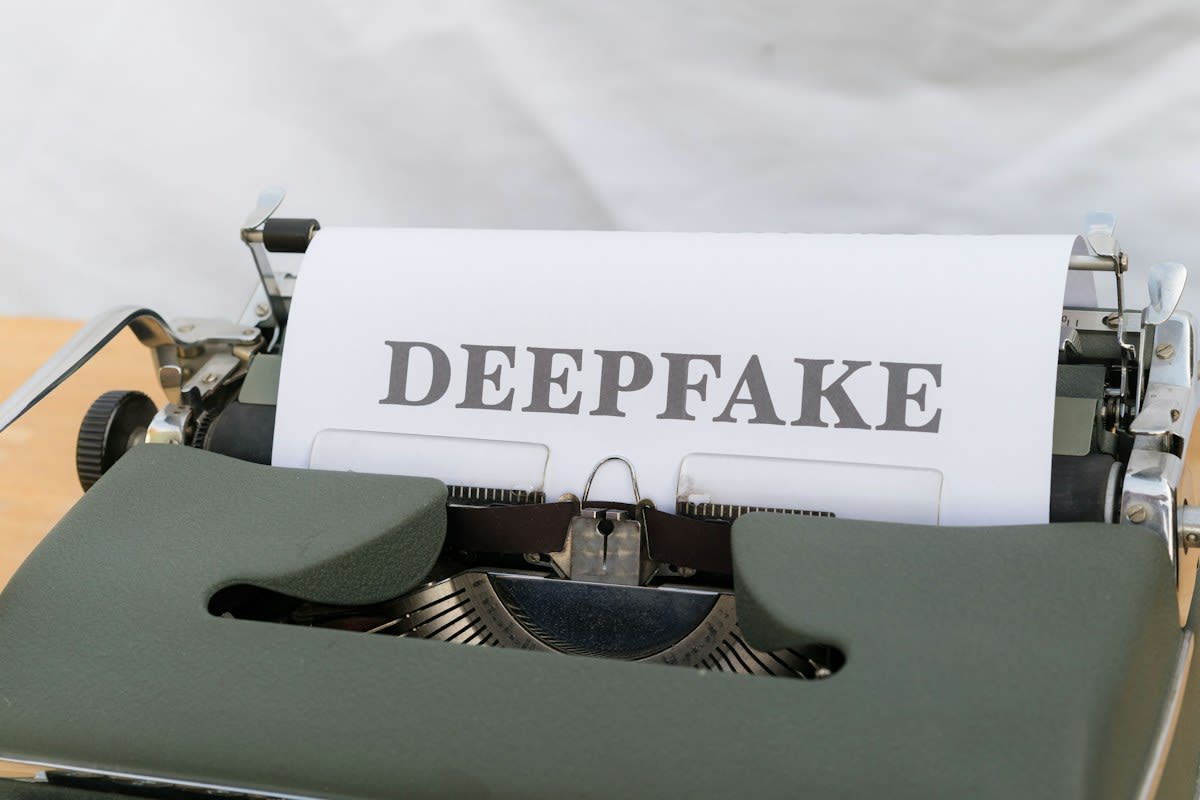
Trust is dead. We once believed that a clear image served as a definitive record of reality, but the rise of synthetic media has turned every pixel into a potential lie. Truth now requires a receipt.
Detection is useless. Many assume that better AI detectors will save the news, yet these tools always trail behind the generative models they attempt to catch. Trust needs receipts (Source: Unite.AI, 2026).
Analysts struggle globally. In the bustling newsrooms of Nairobi or Jakarta, journalists now treat every viral clip as a synthetic fabrication until a cryptographic trail proves otherwise. Verification is grueling.
The digital web fails. When synthetic media floods the information stream, the traditional methods of verifying a source through simple cross-referencing become entirely ineffective against sophisticated deepfakes. Validation is now mandatory.
This technical gap leads to a broader debate over the definition of authenticity.
Lineage Versus Reality
Lineage is not fact. The C2PA standard allows a team to judge whether a claimed gain is likely to survive a different model or hardware platform by preserving the portable evidence of a file's origin (Source: Unite.AI, 2026). The trail is clear.
History is not truth. Valid provenance can describe the entire life of a file from creation to edit, yet it still fails to prove that the depicted event actually happened in the physical world (Source: Unite.AI, 2026). Documentation is limited.
"Qualified content consists of data and additional materials — photographs, videos, and other media — that have been evaluated for provenance, credibility, and relevance."— Babel Street, Intelligence Data Quality Analysis
Intelligence needs rigor. Data provenance establishes where information came from and how it changed, while data credibility assesses how trustworthy the source and the information actually are (Source: Babel Street, 2026). The distinction is vital.
Context is everything. Qualified content requires an evaluation of provenance, credibility, and relevance to ensure that the final intelligence insight is not grounded in synthetic or misleading data (Source: Babel Street, 2026). Proof is not truth.
Money follows the trust, and the economic projections for AI reflect this uncertainty.
The Valuation Delta
Projections often lie. AI minister Kanishka Narayan recently revealed that a £400 billion growth estimate for the UK economy was actually commissioned by Google, leading the government to revise its own figures to between £55 billion and £140 billion (Source: The Next Web, 2026). The delta is huge.
UK AI Economic Growth Projections 2030 (Billions GBP)
Executive Insight
+18.4%
YTD Growth
Numbers are fluid. The government now expects AI adoption and data investment to add between 0.4 and 1.3 percentage points to UK productivity growth by the end of the decade (Source: The Next Web, 2026). Growth is tempered.
The Human Filter
AI has limits. Compliance concerns and cultural resistance remain significant barriers to adoption in industries where the relationship between the dealmaker and the client is the primary asset (Source: Axios, 2026). Trust is human.
Relationships still rule. While private equity firms integrate AI for data processing, insiders remain skeptical that algorithms can replace the nuanced trust required for high-stakes dealmaking (Source: Axios, 2026). Humans hold the grip.
The boardrooms argue. Technical architects push for automated C2PA verification, but veteran journalists insist that a cryptographic signature is merely a digital passport, not a character reference. This creates a deadlock.
New rules apply. Media organizations are adopting a new verification playbook that prioritizes the cryptographic lineage of a file over the visual quality of the footage itself. The old ways died.

Fact-Check & Accuracy Note
The central academic debate currently focuses on the distinction between provenance and truth. While C2PA and similar standards can verify that a file was created by a specific camera at a specific time, they cannot prevent a user from filming a staged event and claiming it is spontaneous. Sources include Unite.AI (2026) and Babel Street (2026).
Editorial Note
This report highlights the shift from 'detection' (trying to spot a fake) to 'provenance' (trying to prove a real). The delta in UK AI valuations serves as a cautionary tale about the influence of corporate-commissioned research on public policy.
The industry is finally admitting that technology alone cannot solve the trust crisis.
Truth is portable. We are moving toward a world where the value of a piece of media is determined not by what it shows, but by the strength of its cryptographic chain. The receipt is everything.