TechCrunch Mobility: The Cybertruck experiment is over
Source Entity
Kirsten Korosec
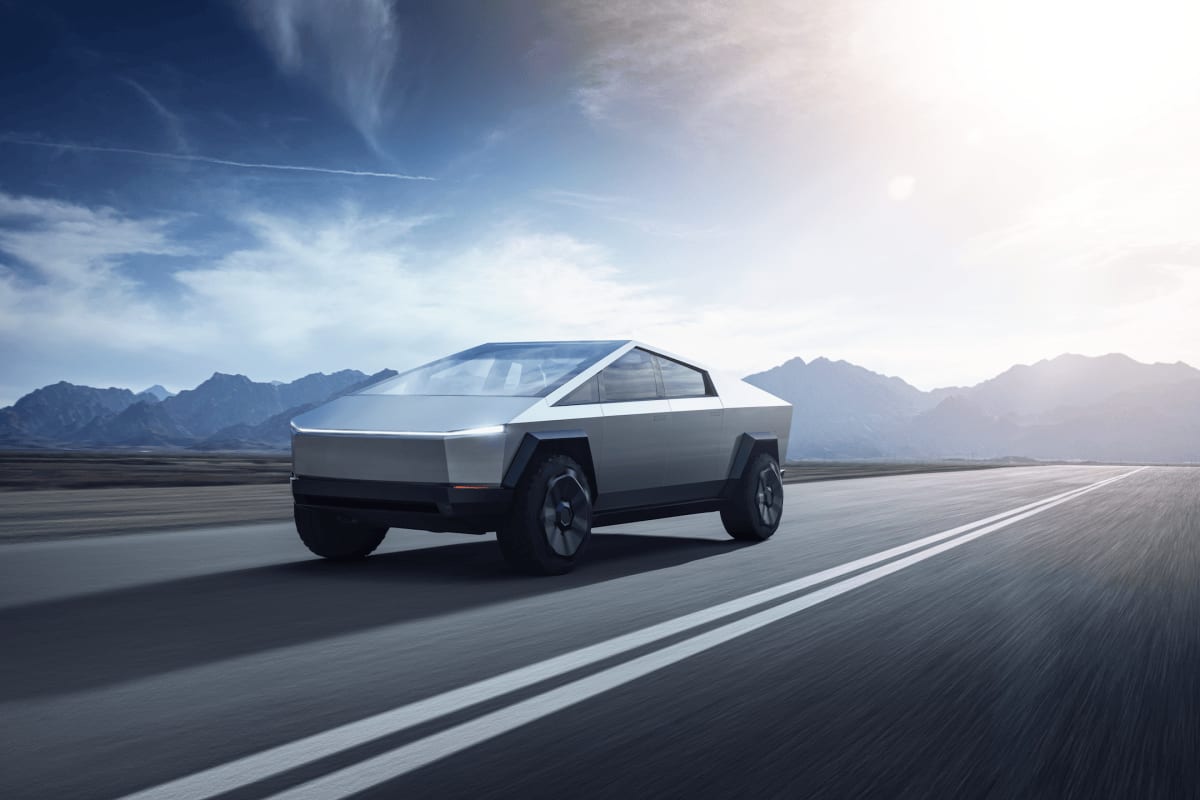
Tesla will cease production of the Cybertruck by mid-2027 to prioritize the manufacturing of its Cybercab robotaxi. This decision marks the end of a highly polarizing vehicle that served as a significant cultural and design experiment for the company.
The End of an Era: Tesla Retires the Cybertruck
Tesla’s announcement that it will cease production of the Cybertruck by mid-2027 marks a definitive conclusion to one of the most unconventional chapters in modern automotive history. Since its reveal, the vehicle has been defined by its stark, stainless-steel, science-fiction aesthetic, which polarized observers and enthusiasts alike. CEO Elon Musk confirmed via X that production at the Austin, Texas facility will wind down to shift resources toward the company’s emerging Cybercab robotaxi project.
A Legacy of Polarizing Design
From the moment of its infamous 2019 debut—where lead designer Franz von Holzhausen famously cracked the truck's "shatterproof" windows with a metal ball—the Cybertruck stood as a cultural lightning rod. It was never merely a vehicle; it was a manifestation of Musk’s vision for a post-apocalyptic aesthetic. The truck inspired intense devotion among a core segment of Tesla fans while drawing significant derision from traditional automotive critics who questioned its practicality and design choices.
Strategic Pivot Toward Autonomy
The decision to sunset the Cybertruck is rooted in a broader corporate pivot toward artificial intelligence and autonomous transportation. By reallocating production capacity to the Cybercab, Tesla is signaling a shift in its long-term roadmap. The company is betting that its future value lies not in consumer-owned pickup trucks, but in the scale-up of a robotaxi fleet, which represents a fundamental change in how Tesla intends to capture market share in the mobility sector.
Industry Implications and Market Reaction
Automotive experts note that the Cybertruck generated unprecedented levels of attention, arguably more than any other vehicle in recent decades. Its status as a "cultural symbol" allowed Tesla to dominate the news cycle, keeping the brand at the forefront of public consciousness. However, the transition from a niche, high-profile project to a mass-market autonomous platform illustrates the high-stakes trade-offs inherent in Musk’s manufacturing strategy.
Looking Ahead: The Future of Tesla
As the Cybertruck era draws to a close, the focus shifts to whether the Cybercab can replicate the market impact that the Cybertruck once held. The transition period between now and mid-2027 will be critical for Tesla as it navigates the technical and regulatory hurdles of deploying a robotaxi service. The demise of the Cybertruck serves as a reminder that even the most ambitious "pet projects" must eventually yield to the evolving priorities of a company aggressively pursuing an AI-driven future.
Multiple Citing Sources