Funeral homes are finding new life hosting weddings and golf outings, as the traditional burial business dies out
Source Entity
Jessica Hall
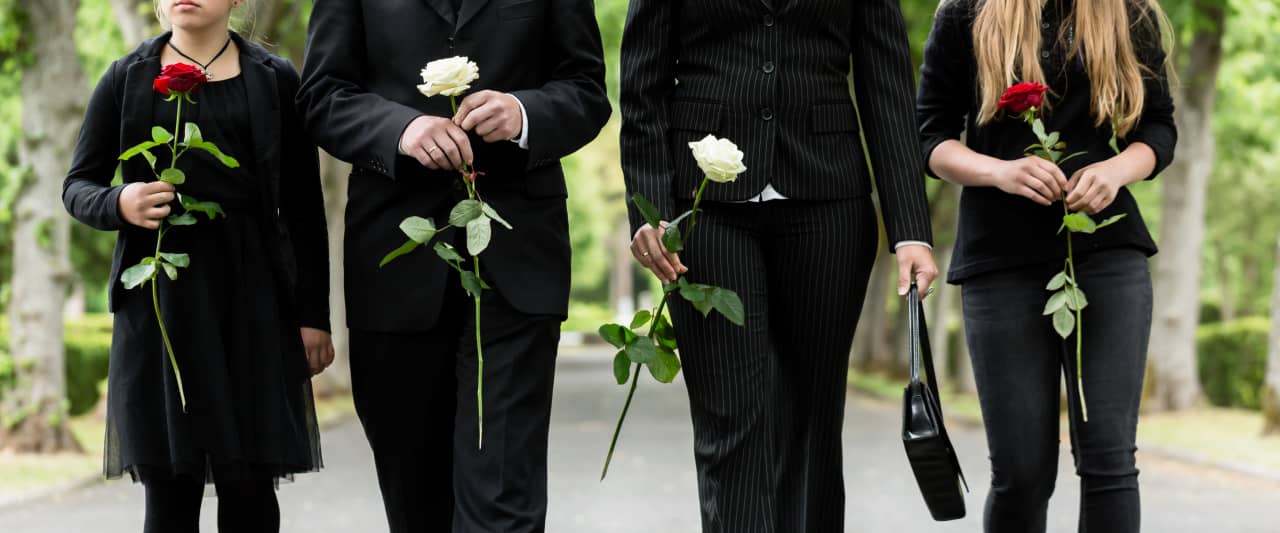
Funeral homes are diversifying their revenue streams by hosting weddings and golf outings as traditional burial demands decline. This pivot reflects a broader shift in the death-care industry toward personalization and multi-purpose venue utilization.
The Evolution of Death Care: From Somber Halls to Vibrant Venues
In an era where traditional burial practices are undergoing a significant decline, the funeral industry is undergoing a radical transformation. Faced with changing consumer preferences, rising cremation rates, and the high overhead costs associated with maintaining large, specialized facilities, operators are increasingly turning toward unconventional revenue streams. By repurposing their physical spaces, funeral homes are transitioning from strictly somber environments into multi-functional community hubs that host everything from weddings to golf outings.
Redefining the Purpose of Sacred Space
The fundamental shift in the industry is best captured by the sentiment, “It’s not my funeral — it’s yours — so make it what you want.” This philosophy underscores a move toward personalization that extends beyond the funeral service itself. By inviting the public to view funeral homes as viable event spaces, owners are effectively decoupling their infrastructure from the singular, often melancholic association of death. This strategy not only maximizes the utility of real estate but also fosters a more integrated relationship with the local community.
Economic Drivers of the Transformation
The economic viability of the traditional funeral home model has been challenged by long-term shifts in cultural attitudes toward end-of-life planning. As more families opt for direct cremations or simplified memorial services, the demand for traditional casket-centric funeral services has plummeted. To prevent these businesses from becoming obsolete, operators are leveraging their existing architecture—often characterized by large chapels, spacious reception rooms, and expansive grounds—to compete in the broader events industry.
Operational Challenges and Cultural Integration
Transitioning a funeral home into an event venue is not without its complexities. Operators must balance the solemn nature of their primary business with the celebratory atmosphere required for weddings or sporting events. This requires delicate management of branding and customer perception. However, by positioning these spaces as high-end, unique venues, funeral homes are finding that they can offset the losses in traditional burial revenue while remaining financially solvent.
Future Trends in Funeral Real Estate
Looking ahead, we can expect to see further integration between the death-care industry and lifestyle services. The future of the funeral business will likely rely on diversification. As urban centers become more crowded and event spaces more expensive, the funeral home of the future may be viewed as a 'lifestyle center' that serves the community across the entire spectrum of life events—from birth celebrations to marriage and, eventually, end-of-life services.
Conclusion
The pivot toward hosting social events represents a survival strategy that reflects the adaptability of modern small businesses. By embracing a more flexible approach to their facilities, funeral home operators are not just keeping their doors open; they are redefining their place in the social fabric. This evolution signifies a broader trend of repurposing underutilized infrastructure to meet the changing needs of a modern society.
Verification Required?