Delhi AQI ‘very poor’ on Diwali, to turn ‘severe’ as celebrations gather pace
Source Entity
Express Web Desk
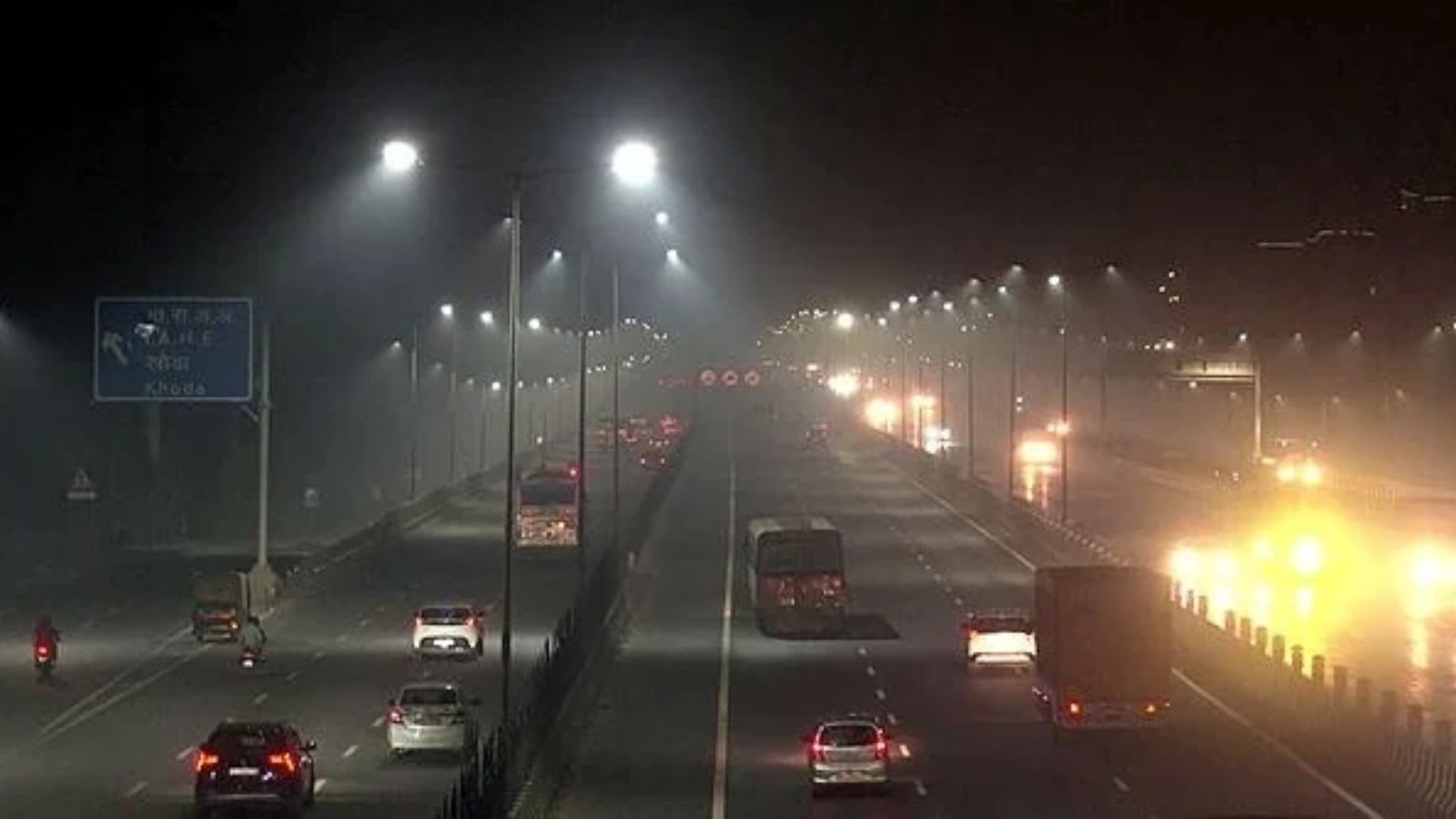
Delhi is grappling with its worst air quality in a decade this Diwali, as a combination of farm fires, firecracker emissions, and unfavorable wind patterns push AQI levels into the 'severe' category. Multiple monitoring stations have already crossed the 400 AQI mark, signaling a hazardous health crisis for the capital.
Delhi's Air Quality Crisis: A Decadal Low on Diwali Eve
Delhi has begun its Diwali festivities under a shroud of toxic haze, marking the city's worst air quality on the eve of the festival in the last ten years. With the overall Air Quality Index (AQI) hitting 383 on Sunday morning, the national capital is teetering on the edge of a severe public health emergency. According to data from the Central Pollution Control Board (CPCB), the situation is not merely a localized issue but a systemic failure of air quality, with nearly half of the city's 54 monitoring stations reporting 'severe' air quality levels.
The Anatomy of the 'Perfect Storm'
The current crisis is driven by a convergence of environmental and anthropogenic factors. The rise in farm fires in the neighboring states of Punjab and Haryana has reached its seasonal peak, with ISRO satellite data tracking a ten-day streak of increasing fire counts. This regional smoke, combined with local firecracker emissions, has created a compounding effect. As ground winds fell calm after sunset, the pollutants were effectively trapped, leading to a 30% spike in particulate matter within hours of the initial firecracker window opening at 8:00 PM on the eve of Diwali.
Micro-Level Severity and Health Impacts
The impact of this toxic air is not uniform across the city, yet it is universally dangerous. Residential hubs like Punjabi Bagh and RK Puram have seen staggering surges in PM2.5 levels, with readings in Punjabi Bagh nearly tripling in a single hour. Monitoring stations in Jahangirpuri, Bawana, and IIT Delhi have consistently reported AQI levels exceeding 400, placing them firmly in the 'severe' category. Even areas surrounding prominent landmarks like India Gate, Akshardham, and Anand Vihar are struggling with 'very poor' to 'severe' air quality, forcing residents to breathe hazardous air during the festival period.
Meteorological Constraints and Future Forecasts
Meteorological conditions have acted as a catalyst for this year's poor air quality. The forecast of weak winds, which are unable to disperse the dense concentration of pollutants, suggests that the atmosphere will remain stagnant. The Air Quality Early Warning System (EWS) for Delhi indicates that the 'severe' category is likely to persist through November 8 and 9. This stagnant weather pattern prevents the dilution of smoke from agricultural stubble burning and local emissions, ensuring that the toxic haze remains firmly established over the capital.
Broader Implications and Long-Term Trends
The recurrence of these conditions highlights the chronic difficulty in managing Delhi's air quality during the winter months. The fact that this is the worst Diwali eve in a decade underscores the limitations of existing mitigation strategies. As the city enters the post-festival period, the combination of high emissions and unfavorable meteorological conditions suggests that without significant intervention or a shift in wind patterns, the health risks for the population will remain acute. The reliance on short-term monitoring serves as a stark reminder of the persistent environmental challenges facing the National Capital Region.
Multiple Citing Sources