64 Injured After 2 Trains Collide In Egypt's Giza Province
Source Entity
NDTV News Search Records Found 1000
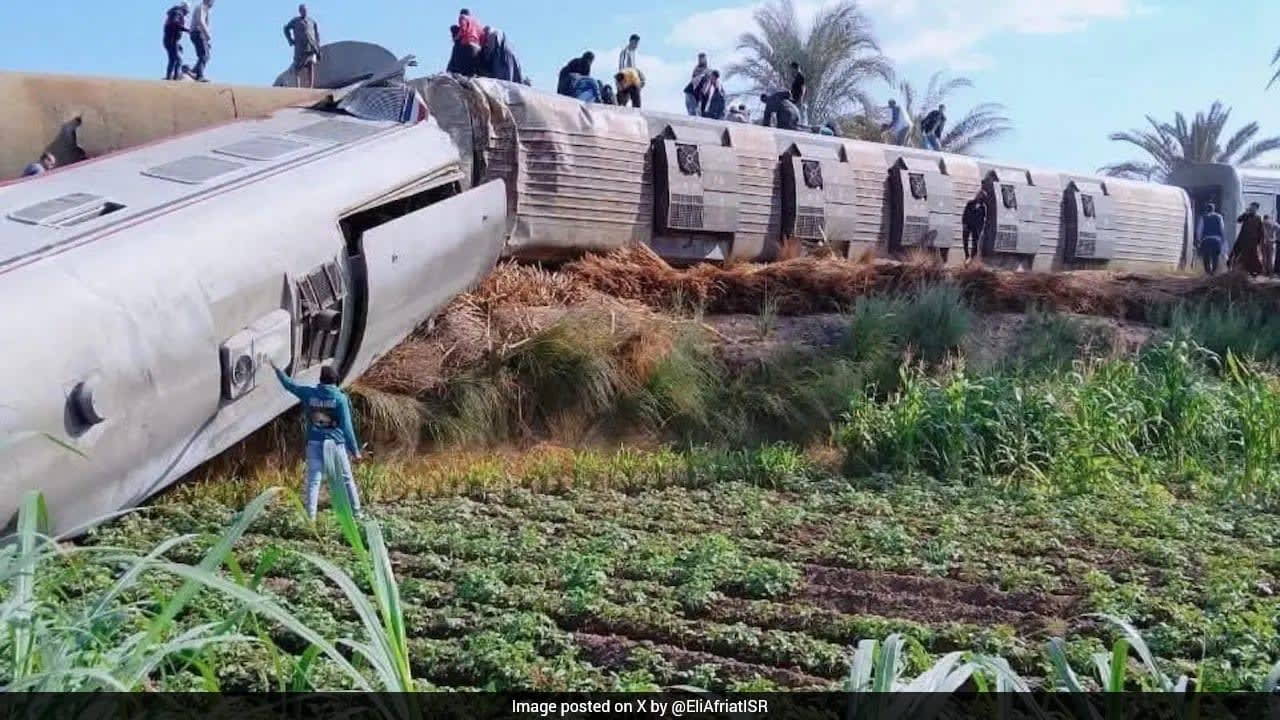
A train collision in Egypt's Giza province has resulted in at least seven deaths and over 100 injuries. Authorities are currently treating victims in local hospitals as investigations into the derailment continue.
Tragedy in Giza: Analysis of the Recent Railway Collision
On a Sunday in the Al-Ayyat district on the outskirts of Cairo, a devastating train collision occurred, leading to significant loss of life and a large-scale emergency response. The incident involved a train traveling from Giza to Fayoum that struck the rear of another service heading south from Cairo to Aswan. This collision forced several carriages to derail, transforming a routine transit route into a major site of casualties and wreckage.
Scope of Casualties and Medical Response
The human impact of the crash has been severe. According to the Egyptian health ministry, the death toll has reached seven, with 112 individuals suffering from a wide array of injuries. Medical professionals in the Giza area have been tasked with treating patients whose conditions range from minor abrasions and bruises to severe fractures of the limbs, pelvis, and vertebrae, alongside critical head, facial, and chest trauma. While 45 patients have been successfully discharged, the strain on local medical infrastructure remains notable as authorities manage the ongoing recovery of the remaining victims.
Operational Context and Infrastructure Challenges
The collision highlights the persistent challenges facing Egypt's railway authority in maintaining safety across its extensive network. The specific nature of the accident—a rear-end collision resulting in derailment—suggests a critical failure in signaling, communication, or manual oversight between the two services traveling the same southern corridor. In a country where rail remains a primary mode of transit for millions, the reliance on older infrastructure often exacerbates the consequences of human or mechanical errors.
Political and Social Implications
President Abdel Fattah al-Sisi has acknowledged the tragedy, expressing that he is following the developments "with great concern." Such high-level attention underscores the political sensitivity of transport safety in Egypt. Public confidence in the national railway system is frequently tested by such accidents, and the government is under consistent pressure to modernize signaling systems and implement automated safety protocols to prevent future rear-end collisions of this nature.
Historical Context and Future Outlook
Accidents in the Al-Ayyat district and surrounding Giza province have historically occurred due to the density of the rail traffic moving south from the capital. As Egypt continues to grow, the demand for reliable mass transit increases, making the modernization of the Aswan-Cairo lines a matter of urgent national security and public safety. Future trends indicate that unless significant capital investment is directed toward upgrading track safety technology and reducing reliance on manual oversight, the risk of similar derailments will persist.
Conclusion
This incident serves as a somber reminder of the vulnerabilities inherent in aging rail systems. While the immediate focus remains on the medical care of the 112 injured and the mourning of the seven victims, the long-term resolution will require a thorough investigation by the railway authority to pinpoint the exact failure that led to the Giza-Fayoum train striking the Aswan-bound service. Ensuring such a disaster is not repeated is now the primary challenge for Egyptian transport officials.
Multiple Citing Sources
Verification Required?