A tailor was killed over social media post in 2022. Now, High Court gives hope to Udaipur family
Source Entity
Hamza Khan
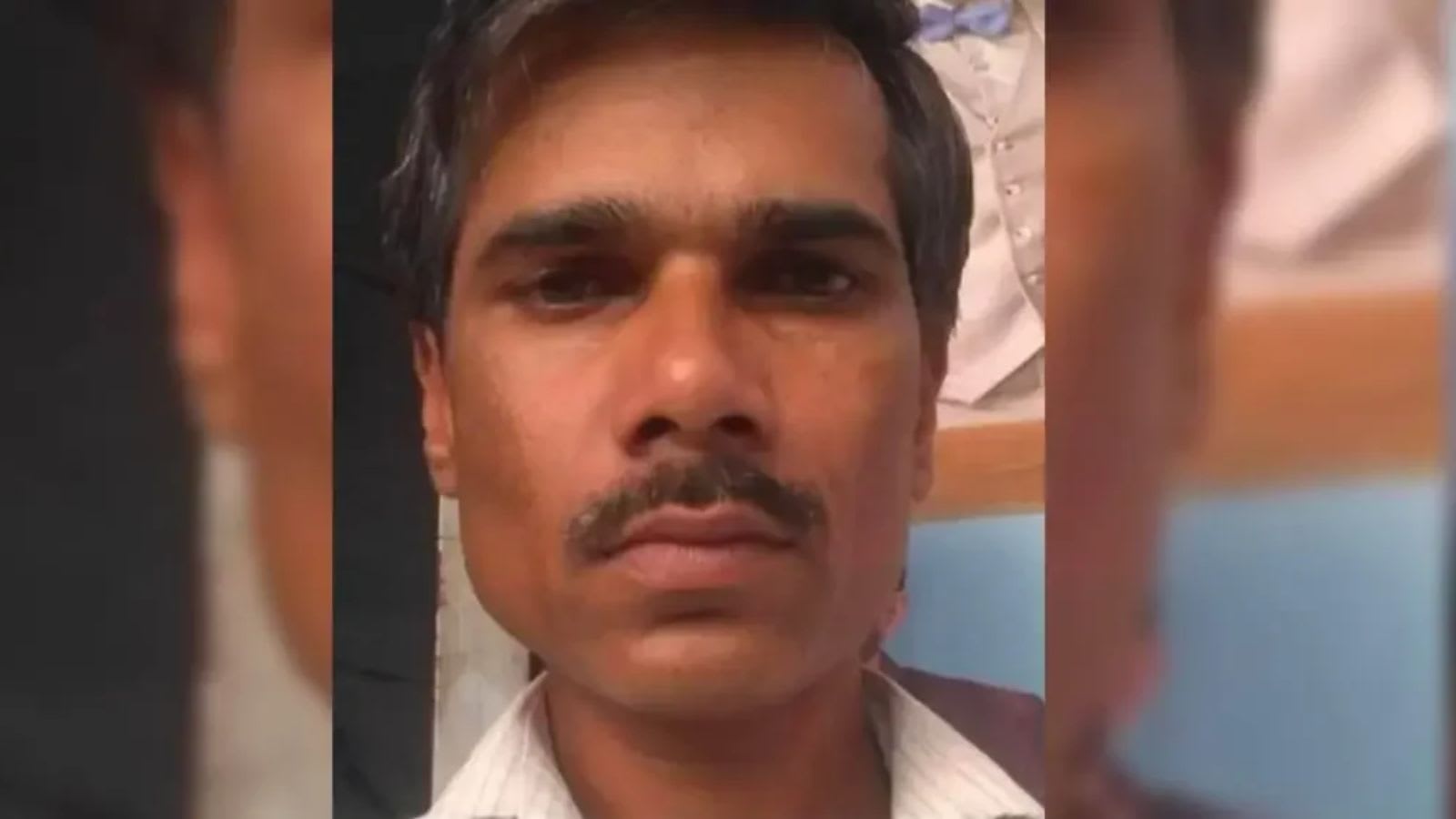
The Rajasthan High Court has upheld the application of UAPA charges against eight accused in the 2022 murder of Udaipur tailor Kanhaiya Lal. The victim's family, while welcoming the legal progression, continues to demand swift justice and capital punishment for the perpetrators.
The Legal Path to Justice in the Kanhaiya Lal Case
A Significant Judicial Development
The recent decision by the Rajasthan High Court to uphold the framing of charges under the Unlawful Activities Prevention Act (UAPA) marks a pivotal moment in the 2022 murder case of Udaipur tailor Kanhaiya Lal. By dismissing the petitions filed by the eight accused, the bench consisting of Chief Justice Sanjay K. Agrawal and Justice Sameer Jain has effectively solidified the state's legal stance. The application of the UAPA, a stringent anti-terror law, underscores the gravity with which the judiciary views this incident, categorizing the act not merely as a criminal homicide but as an offense against the national fabric.
The Weight of UAPA Charges
The UAPA is designed to address acts that threaten the unity, integrity, and security of India. By maintaining these charges, the High Court has validated the prosecution's argument that the murder of Kanhaiya Lal was intended to strike terror into the public consciousness. This legal framework carries significant implications for the trial, as it raises the threshold for bail and reflects the extreme nature of the crime, which was motivated by a social media post, highlighting the volatile intersection of digital discourse and physical violence in modern society.
The Human Cost and the Pursuit of Justice
For the family of Kanhaiya Lal, the legal process has been a grueling test of patience. His son, Yash Teli, has publicly expressed a mix of relief and frustration. While the court's recent action has restored a sense of hope, the family remains deeply impacted by the passage of time. The acknowledgment that four years have elapsed since the incident emphasizes the psychological toll on victims of high-profile crimes, who often find themselves trapped in a cycle of waiting for judicial closure while grieving their loss.
Challenges in the Judicial Timeline
The family's vocal demand for capital punishment and a faster trial points to a broader systemic challenge within the Indian judicial system: the delay in delivering verdicts for cases of extreme public interest. While the High Court's ruling is a procedural victory, it also highlights the family's ongoing struggle for finality. The intersection of legal scrutiny and public expectation creates a complex environment where the state must balance procedural fairness with the urgent need for societal justice.
Future Implications and Societal Impact
Looking ahead, the continuation of the trial under UAPA will be closely watched as a benchmark for how similar cases involving digital incitement and communal tension are handled. The outcome will likely serve as a precedent for future legal proceedings involving crimes triggered by social media activity. As the case moves forward, the primary focus remains on whether the legal system can meet the family’s expectation for a swift and definitive conclusion that serves as a deterrent against similar acts of violence.
Concluding Perspectives
Ultimately, the Rajasthan High Court’s decision is a critical step toward ensuring that the perpetrators of the 2022 Udaipur tragedy are held accountable under the full weight of the law. As the legal proceedings enter this new phase, the focus shifts back to the trial court, where the evidence will be weighed. For the family of Kanhaiya Lal, the hope remains that the judicial process will finally deliver the justice they have sought for years, providing a sense of closure to a chapter defined by tragedy.