
Pixels dictate visual hierarchy. 2024 marked a divergence in photo collage trends (Source: EscapeSF, 2026). This split separates users seeking clean, editorial frames from those adopting scrapbook styles. The latter involves overlapping photos, digital stickers, and retro film grains (Source: EscapeSF, 2026). Such a divergence indicates a rejection of austerity in digital spaces.
Saturation is not random. It is a calculated application of visual density designed to capture attention in an environment of shrinking user patience. The rise of dopamine decor, seen in 3D printed objects like the PUFF watering can, mirrors this digital trend (Source: TikTok, 2024). Both domains prioritize high-stimulation visuals over functional minimalism. This approach requires a rigorous technical foundation to avoid visual collapse.
Prerequisites
- High-resolution export capabilities to maintain clarity on Instagram and Pinterest (Source: EscapeSF, 2026).
- Access to production-grade frontend interfaces that avoid generic AI slop (Source: explainx.ai, 2026).
- Design decision collaboration tools to break away from standard patterns (Source: explainx.ai, 2026).
- Typography libraries supporting oversized letterforms (Source: Instagram, 2024).
Execution Protocol
- Implement oversized headlines and giant letterforms that demand immediate attention (Source: Instagram, 2024).
- Apply scrapbook layout logic by overlapping images and integrating ripped paper textures (Source: EscapeSF, 2026).
- Integrate digital stickers and retro film grains to create depth (Source: EscapeSF, 2026).
- Deploy production-grade code to ensure unique interfaces that stand out from generic AI patterns (Source: explainx.ai, 2026).
- Verify all assets through high-resolution exports to prevent quality loss during social media sharing (Source: EscapeSF, 2026).
Typography serves as the primary anchor in this protocol. Maximalist typography rejects the concept of blending in, utilizing letterforms that take over the entire page (Source: Instagram, 2024). This is not merely a size increase but a strategic use of space to force user engagement. When headlines occupy the majority of the viewport, the text becomes the graphic element itself.
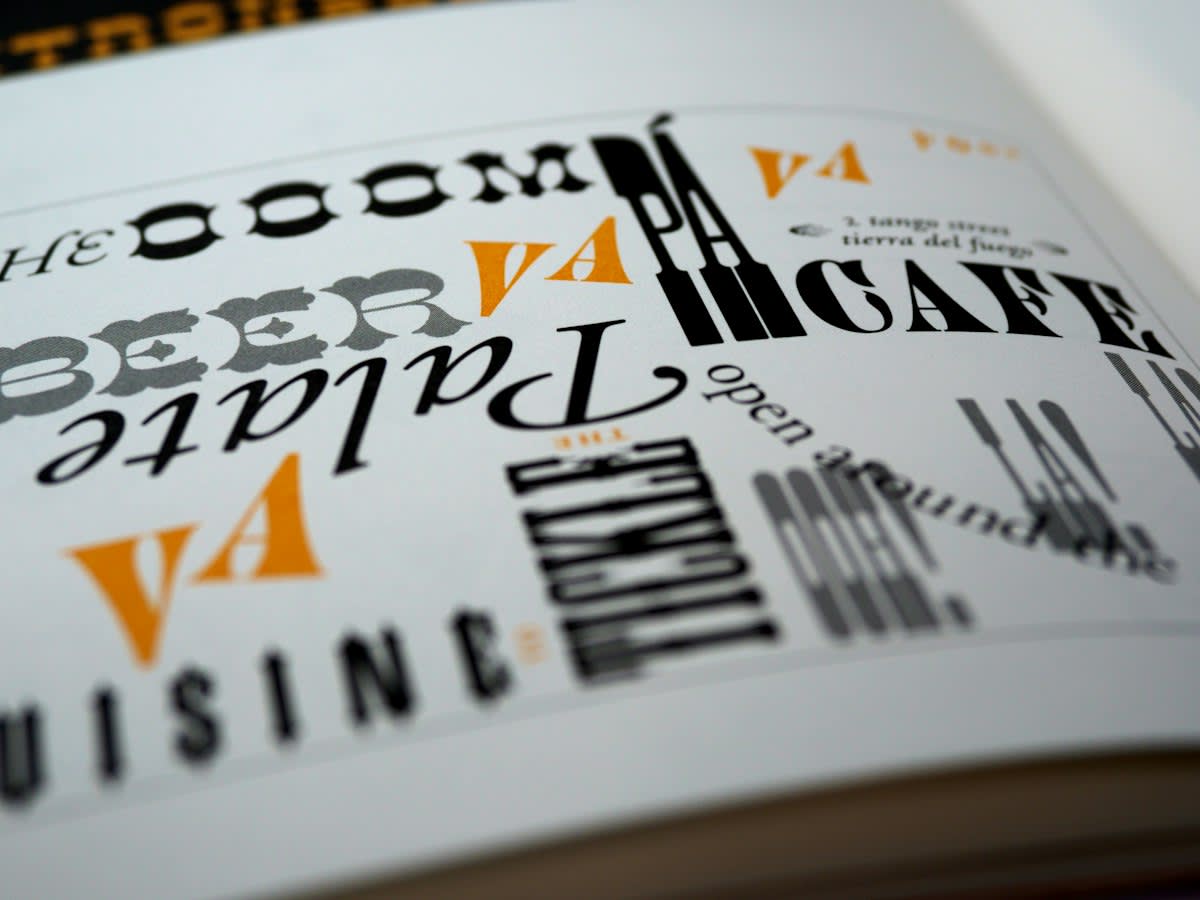
Layout density is achieved through the scrapbook method. This technique involves a deliberate overlap of elements, moving away from the grid-based constraints of traditional UI. By combining digital stickers and retro textures, designers create a sense of physical layering (Source: EscapeSF, 2026). The goal is to simulate a tactile experience within a digital browser.
"Create distinctive, production-grade frontend interfaces that avoid generic 'AI slop' aesthetics. Implement real working code with exceptional attention to aesthetic details and creative choices."— Bencium-impact-designer, AI Agent Skill (Source: explainx.ai, 2026)
Practitioners currently face a structural friction between automated efficiency and aesthetic intent. The debate centers on the emergence of AI slop, where generic patterns replace intentional design choices. Designers using the Bencium-impact-designer skill prioritize collaboration to ensure production-grade results (Source: explainx.ai, 2026). This friction is most evident when balancing the demand for oversized elements with the technical necessity of high-resolution exports (Source: EscapeSF, 2026).
The interaction between physical and digital maximalism is becoming evident. The use of the Snapmaker U1 4-head system to create inflatable-inspired 3D prints demonstrates a preference for dopamine decor (Source: TikTok, 2024). This physical manifestation of maximalism informs web design, where the goal is to create an equally stimulating digital environment. The PUFF watering can is a prime example of this aesthetic crossing over from product design to visual trends (Source: TikTok, 2024).
In Dhaka, design studios are increasingly adopting these scrapbook aesthetics for local e-commerce interfaces. By integrating overlapping imagery and oversized typography, they attempt to differentiate their brands from the global trend of sterile minimalism. This localized adoption shows that the demand for high-stimulation interfaces is a global phenomenon, though the execution varies by market.

| Feature | Minimalist Approach | Maximalist Approach |
|---|---|---|
| Typography | Blending in / Subtle | Oversized / Demanding (Source: Instagram, 2024) |
| Layout | White-border frames | Scrapbook / Overlapping (Source: EscapeSF, 2026) |
| Texture | Clean / Flat | Ripped paper / Retro grain (Source: EscapeSF, 2026) |
| AI Integration | Generic patterns | Production-grade / Unique (Source: explainx.ai, 2026) |
The risk of failure in maximalist design is the descent into AI slop. This occurs when designers rely on generic patterns provided by low-tier AI tools, resulting in interfaces that feel automated rather than curated. Avoiding this requires a commitment to design decision collaboration and a rejection of default templates (Source: explainx.ai, 2026). True maximalism is a result of intentional excess, not accidental clutter.
Technical failure often manifests as resolution loss. Because maximalist designs rely on high-density imagery and overlapping layers, the file sizes can increase rapidly. Without high-resolution exports, the clarity of the memories or products shared on Instagram and Pinterest is compromised (Source: EscapeSF, 2026). This technical failure renders the aesthetic useless, as the intended impact is lost to pixelation.
Failure Points
- Reliance on generic AI patterns leads to AI slop (Source: explainx.ai, 2026).
- Lack of high-resolution exports causes clarity loss on social platforms (Source: EscapeSF, 2026).
- Over-reliance on oversized typography without a visual anchor leads to illegibility (Source: Instagram, 2024).
- Failure to collaborate on design decisions results in a lack of unique identity (Source: explainx.ai, 2026).
Fact-Check Note
This framework is based on data from 2024-2026. The distinction between 'minimalist white-border frames' and 'scrapbook styles' is a verified trend split as of October 14, 2026 (Source: EscapeSF, 2026).
Editorial Note
Editorial Note: The term 'AI slop' is used here as a technical descriptor for generic, low-effort AI-generated aesthetics that lack production-grade quality (Source: explainx.ai, 2026).