Flowers aplenty, profits scarce for farmers, traders ahead of Dussehra
Source Entity
The Indian Express
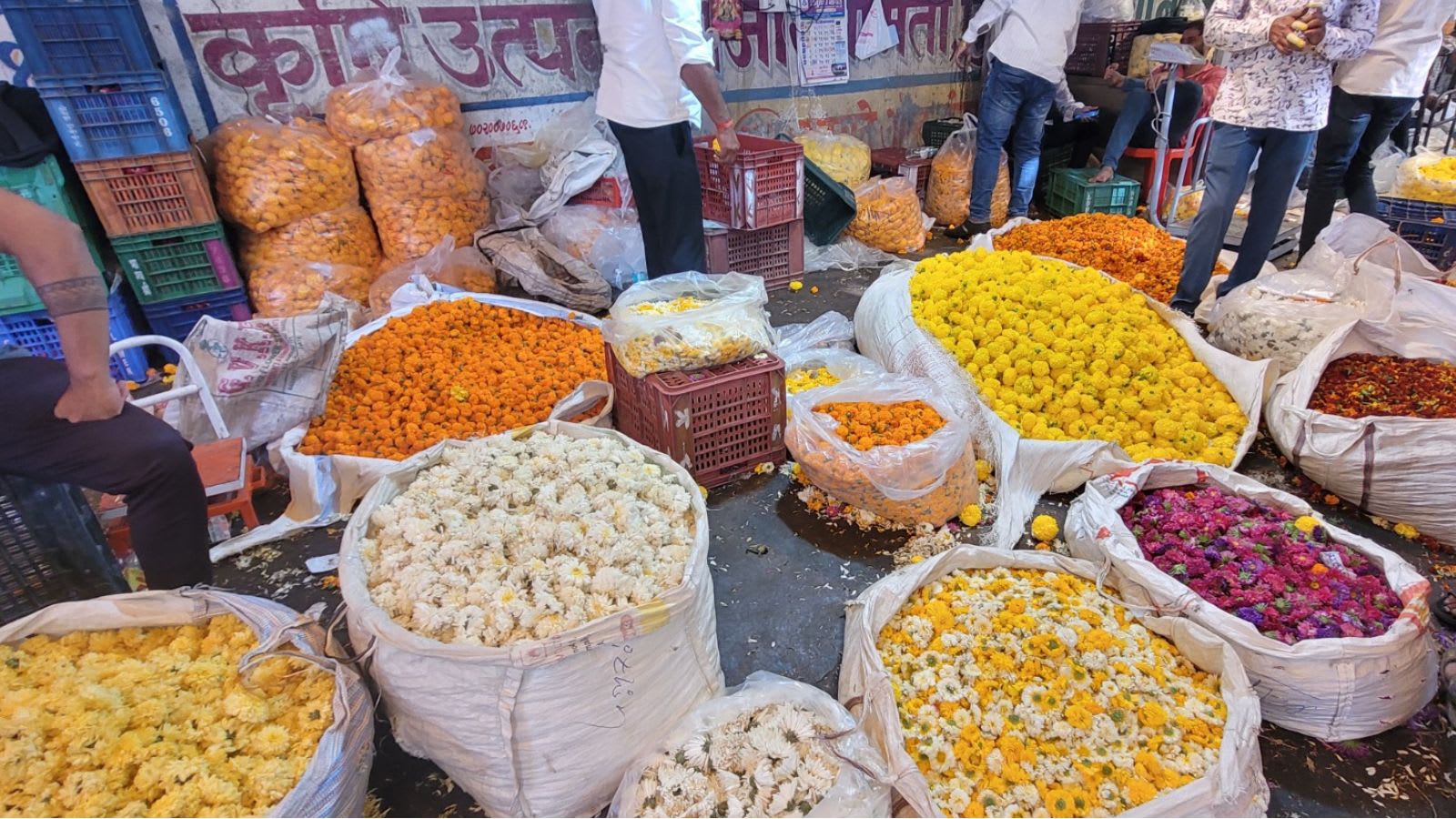
Despite a bumper flower harvest caused by lower-than-average rainfall, farmers in Pune are facing significant financial losses. The oversupply has caused market prices to plummet, leaving growers unable to cover basic production and transportation costs during the Dussehra festival.
The Paradox of Prosperity: Why Bumper Harvests Are Hurting Pune Farmers
As the Dussehra festival approaches, a time typically associated with high demand and lucrative returns for the agricultural sector, flower farmers and traders at Pune’s Market Yard are grappling with a stark financial reality. Despite a successful growing season, the market environment has turned hostile, illustrating the precarious nature of agrarian economics where supply-side abundance does not always equate to profitability.
The Impact of Weather Patterns on Market Dynamics
The core of this crisis lies in the anomalous weather conditions leading up to the harvest. Lower rainfall, while often viewed as a challenge, in this instance resulted in less damage to the standing flower crops in the fields. This led to an unexpected bumper supply, flooding the market with produce. In a standard economic model, increased supply is beneficial, but without a commensurate spike in consumer demand, the market has become oversaturated, forcing prices to drop sharply.
Economic Strain and Profit Erosion
For farmers from regions such as Saswad, Karmala, and Marathwada, the current situation is dire. Produce that commanded significant premiums during the previous year’s festivities is currently trading at nearly half the price. This price compression is not merely a reduction in profit margins; it is a fundamental threat to the viability of these small-scale agricultural operations, as many growers are currently unable to recover even their basic production and transportation expenses.
Supply Chain Vulnerabilities
The dependence on centralized hubs like Pune’s Market Yard highlights the systemic risks within the regional supply chain. When farmers rely on a single point of sale for perishable goods, they are highly susceptible to localized price volatility. As noted by traders like Pravin Mane, the influx of goods from multiple districts simultaneously has created a buyer’s market, stripping the sellers of any leverage they might have had during the peak festival season.
Broader Implications for Agriculture
This situation serves as a critical case study in the lack of price stabilization mechanisms for floriculture in India. While staple crops often benefit from government-backed procurement or support prices, the flower market remains largely at the mercy of daily supply and demand fluctuations. The inability of farmers to recoup costs during a high-demand period like Dussehra suggests that long-term sustainability will require better cold-chain infrastructure and diversified distribution channels to avoid such gluts.
Future Outlook
Moving forward, farmers will likely need to explore more sophisticated post-harvest management techniques, such as dehydration or value-added processing, to mitigate the impact of market gluts. Without structural intervention or improved market intelligence, the cycle of bumper harvests leading to financial distress is likely to repeat, threatening the long-term economic security of flower cultivators in the Maharashtra region.