Builders slash prices on new homes as buyer traffic drops to 14-year low
Source Entity
Aarthi Swaminathan
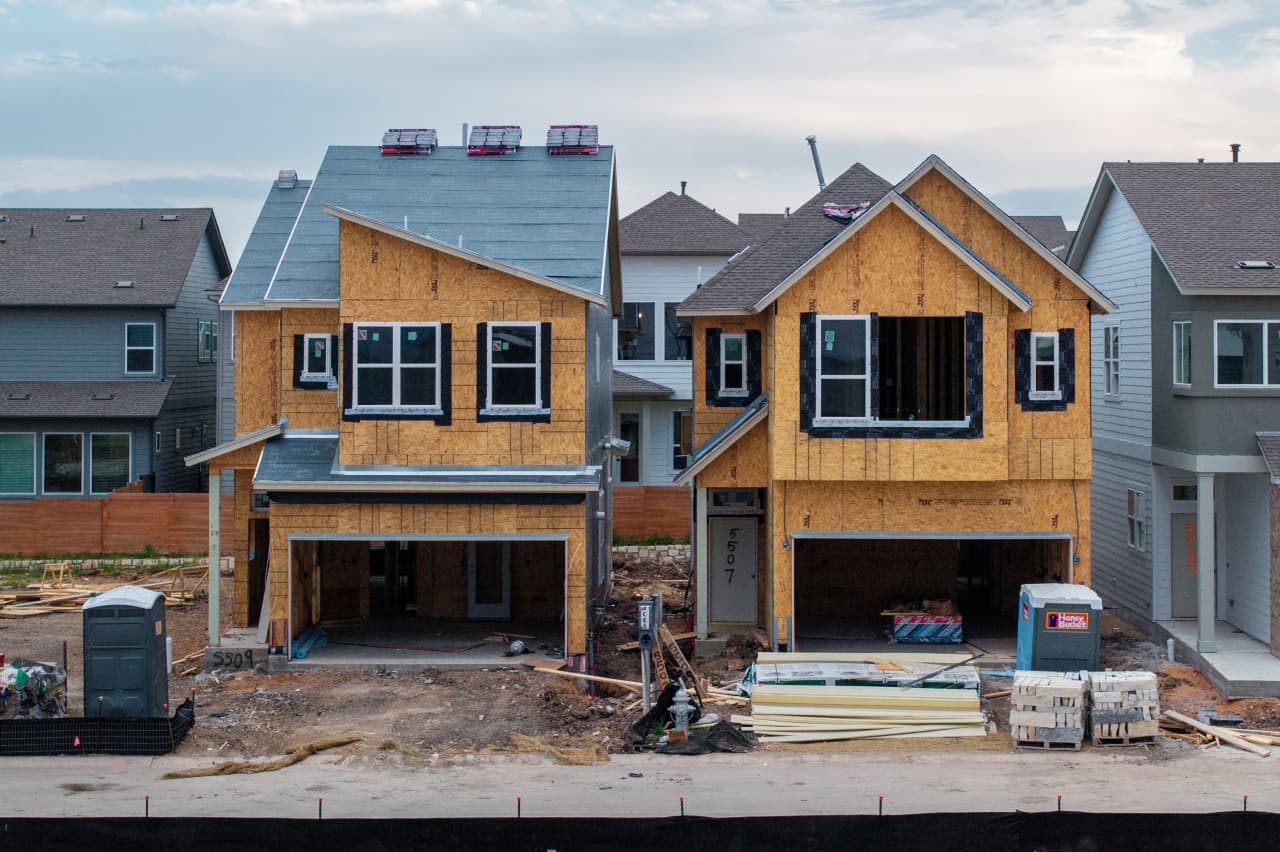
Home builders are increasingly reducing prices to stimulate demand as buyer traffic hits a 14-year low. This trend highlights a difficult balancing act for the industry as construction costs continue to climb.
The Housing Market Crossroads: Pricing Pressures and Demand Deficits
A Market at a 14-Year Low
The current real estate landscape is witnessing a significant shift as buyer traffic plummets to levels not seen in over a decade. The fact that four in ten home builders are now resorting to price cuts indicates a reactive strategy designed to clear inventory in an environment where potential homeowners are increasingly sidelined. This 14-year low in buyer engagement serves as a bellwether for broader economic cooling, reflecting a market where the gap between buyer expectations and affordability has widened significantly.
The Squeeze of Rising Construction Costs
What makes this trend particularly precarious is the backdrop of persistently high construction costs. Builders are currently trapped in a classic margin squeeze: they are forced to lower their asking prices to entice hesitant buyers while simultaneously grappling with the elevated expenses of labor, materials, and land development. This dichotomy threatens the profitability of development projects and forces firms to prioritize cash flow over margins, a move that often precedes a slowdown in new housing starts.
Analyzing the Strategic Pivot
The decision by 40% of builders to slash prices is not merely a tactical adjustment but a necessary pivot to maintain market relevance. When demand drops to historic lows, builders must contend with the carrying costs of unsold inventory, which can quickly erode capital reserves. By reducing prices, these companies aim to trigger a volume-based recovery, hoping that lower entry points will bring sidelined buyers back to the table despite the current macroeconomic headwinds.
Broader Economic Implications
This development has substantial implications for the wider economy, as the housing sector is a traditional engine of domestic growth. A sustained cooling in new home sales impacts everything from local employment in construction to the manufacturing of raw materials. If builders continue to struggle with high costs and low traffic, we may see a contraction in new housing supply, which paradoxically could lead to inventory shortages in the long term, even while current prices are being discounted.
Future Trends and Outlook
Looking ahead, the industry will likely face a period of volatility. If interest rates remain elevated or if consumer confidence fails to recover, builders may be forced to consolidate or pivot their business models toward smaller, more affordable housing units to manage costs. The current reliance on price cuts is a short-term survival mechanism; long-term stability will depend on whether construction costs can stabilize and whether buyers regain the purchasing power necessary to re-enter the market at scale.
Verification Required?