The Great Decentering of Glamour
For decades, the luxury fashion world operated on a strict North-to-South trajectory. Trends were dictated in Paris, Milan, and New York, then exported to the rest of the world as aspirational gold standards. But look at the current landscape in July 2026, and that map is being violently redrawn. We are witnessing the emergence of a new luxury axis, where West African digital creators are no longer just participants in the global conversation—they are the ones setting the agenda. Why is this happening now? Because the intersection of cultural diplomacy and digital financial infrastructure has finally reached a tipping point.
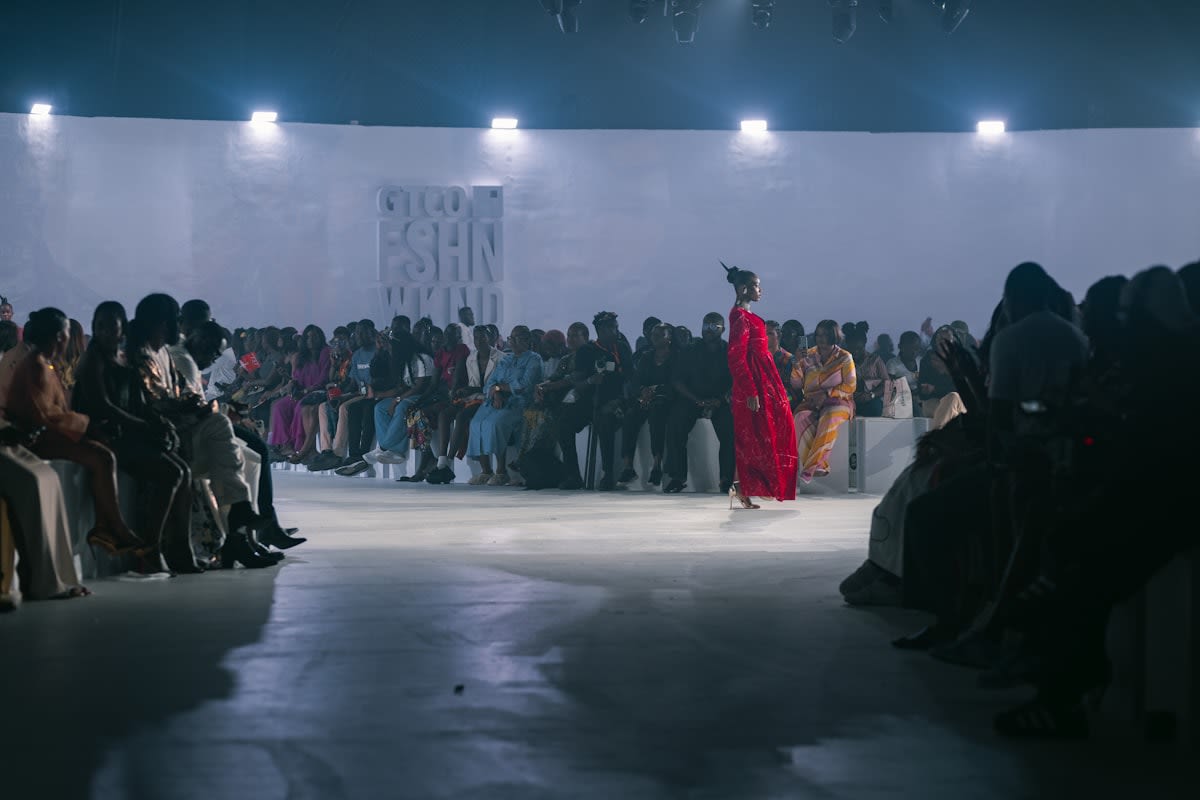
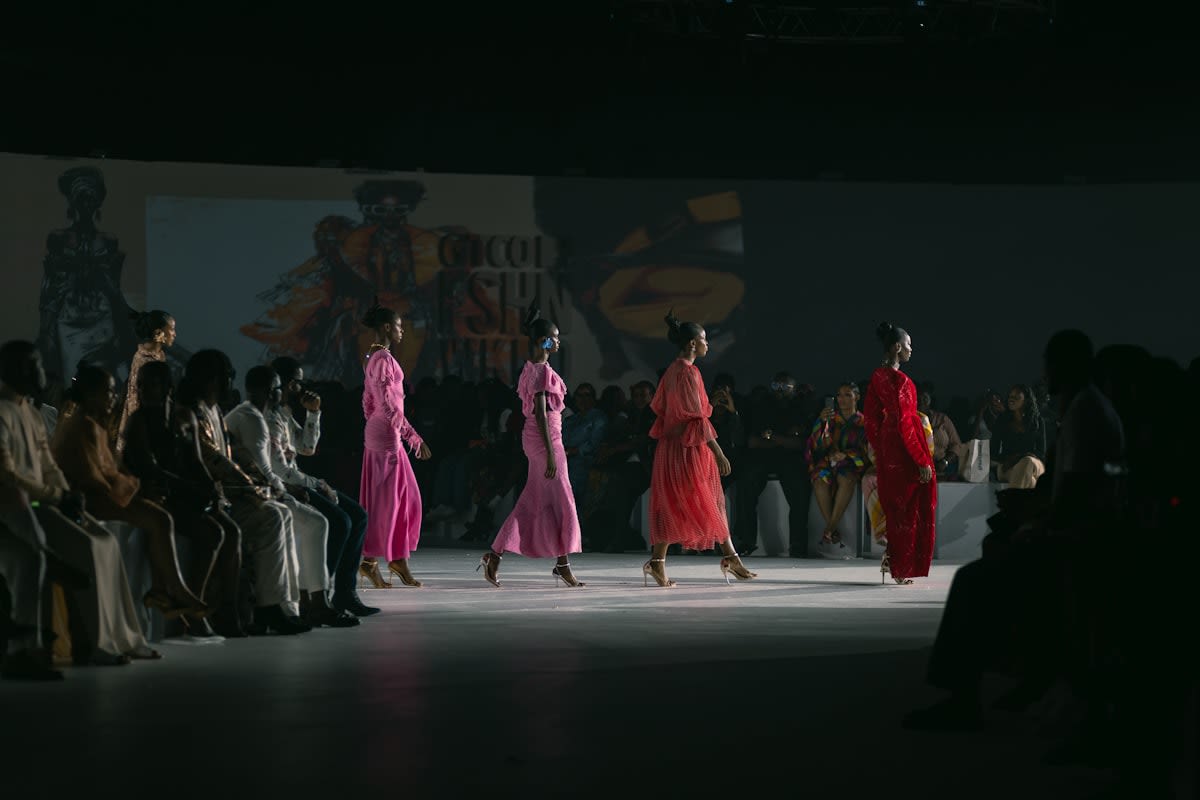
The most visceral evidence of this shift is the 2026 edition of Nigeria Fashion Week. Under the theme Beyond the Runway: Fashion and Culture at the Heart of the Green & Blue Economy (Going Green 5), the event has evolved from a mere showcase of aesthetics into a strategic engine for national economic development. This is not about the superficial glamour of a catwalk; it is about fashion as a driver of job creation, environmental stewardship, and sustainable growth. By centering the Green and Blue economies, these creators are positioning luxury not as an excess, but as a vehicle for ecological resilience and cultural preservation.
Compare this to the traditional luxury houses of Europe. While the French jewelry house Mellerio continues to lean on its heritage—citing creations like the 1868 Peacock Feather brooch to maintain its prestige—the West African vanguard is building prestige through innovation. Mellerio's recent appointment of Amalia Cortesi as deputy CEO signals a desperate need to accelerate international development and restructure for growth. In contrast, the creators in Lagos are born into a digital-first environment, bypassing the slow, institutional growth models of the past in favor of agile, community-driven scaling.
The Strategic Shift
The delta between 2025 and 2026 is clear: luxury is moving from a model of heritage preservation to a model of future-proofing. While European houses are managing their legacy, West African creators are designing the infrastructure of the next century.
The Infrastructure of Influence
Creativity alone does not build an empire; capital and conduits do. The rise of this new luxury axis is inextricably linked to the explosion of digital payment volumes. S&P Global Market Intelligence forecasts that global consumer-to-business digital payment volume will approach $83.9 trillion by 2030. This is the hidden plumbing of the fashion revolution. When a digital creator in Accra or Lagos can sell a bespoke, sustainable garment to a collector in Tokyo or New York via a digital wallet, the traditional gatekeepers—the luxury boutiques and the legacy distributors—become irrelevant.
Digital wallets already account for $31.1 trillion, or 55% of all global volume as of 2025, and this share is projected to climb to 57.5% by 2030. This financial fluidity allows West African designers to monetize their cultural capital in real-time. They are not waiting for a contract from a European conglomerate; they are building direct-to-consumer pipelines that leverage the very fintech growth that is unsettling traditional processing executives. The power has shifted from the one who owns the store to the one who owns the digital relationship with the customer.
| Metric | 2025 Status | 2030 Projection |
|---|---|---|
| Global Digital Payment Volume | Current Growth Phase | $83.9 Trillion |
| Digital Wallet Market Share | 55% ($31.1 Trillion) | 57.5% ($48.2 Trillion) |
| Luxury Eyewear Market Value | ~€17 Billion | Continued Growth Driver |
This financial liberation is occurring just as the global luxury market faces a period of intense polarization. According to Bain & Co, luxury eyewear has remained a key growth driver, growing 2% to 4% in 2025 to reach approximately €17 billion. While the broader luxury market slowed, eyewear thrived because consumers sought self-expression over status symbols. This is exactly where West African creators are striking. By blending high-concept digital art with physical accessories, they are capturing the aspirational demand that traditional houses are struggling to maintain.
"Fashion in Nigeria is increasingly becoming a powerful driver of economic growth, innovation and sustainable development... no longer confined to the runway, it has become a platform for enterprise and cultural diplomacy."— Vanguard Allure, reporting on Nigeria Fashion Week 2026
The Sustainability Arbitrage
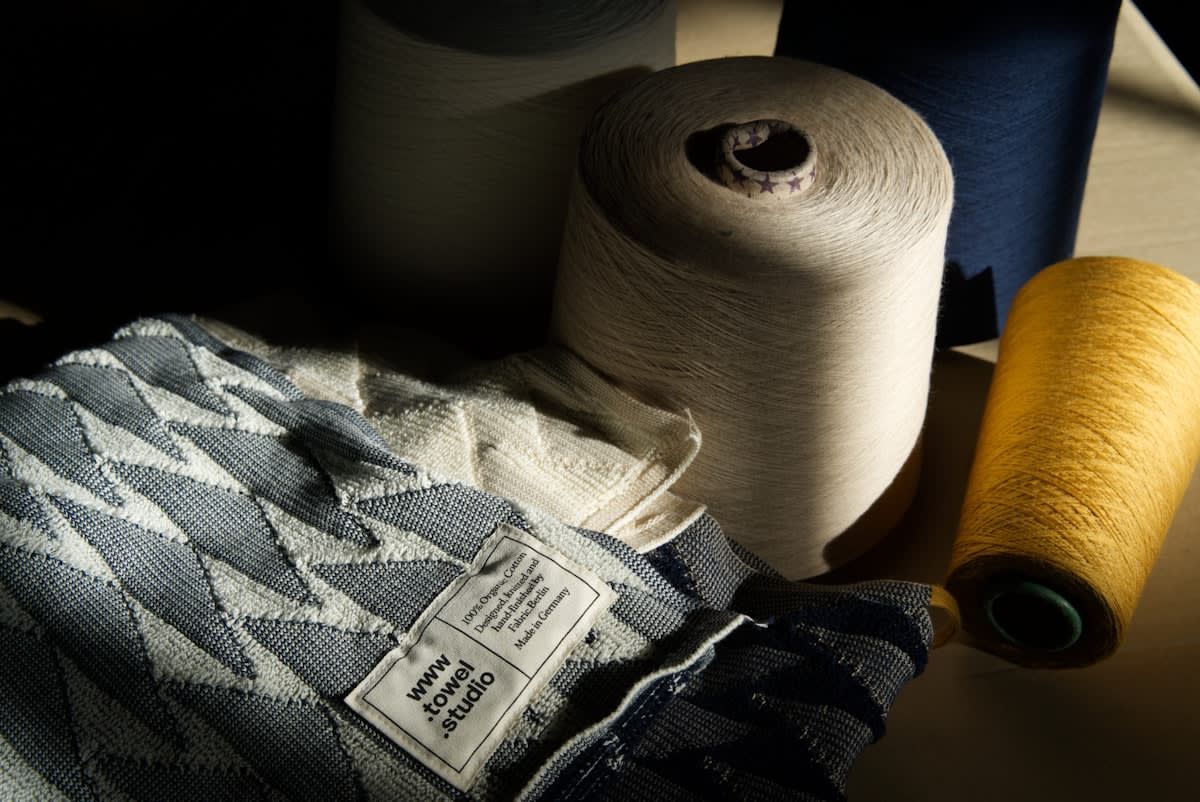
Why is the Green and Blue Economy theme so critical? Because the global luxury consumer is exhausted by the performative sustainability of the West. European luxury groups like Moncler and Zegna are currently fighting to sustain their transformations, attempting to move beyond the jacket and the suit to remain relevant. They are playing catch-up. Meanwhile, the West African vanguard is integrating sustainability into the very DNA of their production. By focusing on the Blue Economy—utilizing ocean-based materials and sustainable maritime trade—they are creating a new definition of luxury that is regenerative rather than extractive.
This creates a sustainability arbitrage. West African creators can offer authentic, systemic sustainability that European houses can only simulate through expensive marketing campaigns. When Nigeria Fashion Week positions itself as a hub for environmental stewardship, it isn't just saving the planet; it is capturing a market share of the conscious luxury consumer. This is a strategic masterstroke that turns regional necessity into a global competitive advantage.
Is the traditional luxury world oblivious to this? Not entirely. The movement of executives like Amalia Cortesi into roles designed to accelerate international growth shows that the old guard knows the center of gravity is shifting. However, their approach remains institutional. They seek to structure and manage growth. The West African digital creators, conversely, are leveraging the chaos of the digital era to build decentralized brands that don't need a deputy CEO or a Parisian headquarters to achieve global scale.
The result is a total reconfiguration of the value chain. We are moving from a world of centralized luxury to one of distributed prestige. In this new era, a designer in Lagos can utilize the same digital payment rails that power the $41.7 trillion volume in APAC to reach a client in New York, while maintaining a production cycle that is fundamentally more sustainable than any legacy house in Italy. The axis has shifted, and the momentum is now moving South.
- Digital payment volumes ($83.9trn by 2030) are removing the need for traditional luxury intermediaries.
- Nigeria Fashion Week 2026 is pivoting luxury from aesthetic display to a driver of Green and Blue economic growth.
- Traditional houses (Mellerio, Moncler) are focusing on heritage and restructuring, while West African creators are focusing on systemic innovation.
- Luxury eyewear (€17bn market) serves as a high-growth entry point for creators blending self-expression with digital art.