From red-light district to high-rises: Kamathipura’s big makeover plan
Source Entity
Sabah Virani
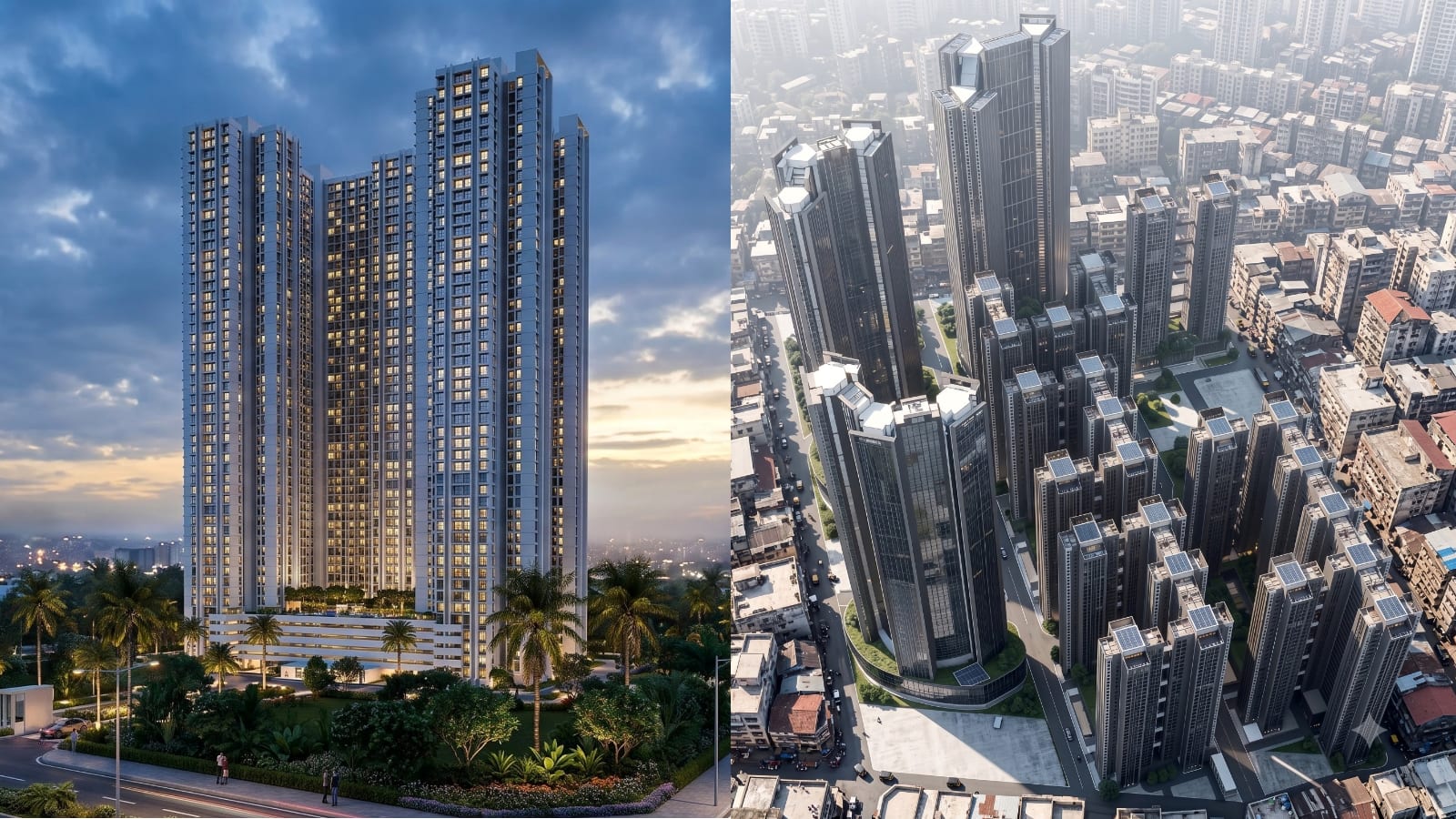
Mumbai's historic Kamathipura district is set for a massive 34-acre redevelopment project aiming to replace dilapidated housing with modern amenities. Residents will receive significant financial support, including advance rent payments, as the area transitions toward urban renewal.
The Transformation of Kamathipura: A New Urban Horizon
Kamathipura, a neighborhood in Mumbai long recognized for its dense, aging infrastructure and historical association as a red-light district, is on the precipice of a radical structural transformation. The proposed redevelopment plan seeks to replace the area's historically cramped living conditions—characterized by dwellings as small as 120 square feet—with modern, spacious 500-square-foot homes. This shift represents a significant departure from the neighborhood’s legacy, aiming to integrate it into the modern urban fabric of Mumbai.
Financial Rehabilitation and Support
The scale of the 34-acre redevelopment project is underscored by the robust financial support package offered to current residents. To mitigate the displacement caused by the construction phase, officials have committed to a minimum monthly rent of Rs 25,000 for both residential and commercial occupants. By providing two years of rent in advance, alongside an additional year’s rent paid by cheque, the authorities are attempting to ensure stability for the local population during the transition period.
Modernizing Infrastructure and Amenities
Beyond the expansion of individual living spaces, the redevelopment plan emphasizes the necessity of modern amenities and open spaces. For decades, Kamathipura has struggled with narrow lanes and deteriorating buildings that lack basic urban infrastructure. The introduction of planned open spaces and modernized facilities suggests a shift toward a more sustainable and livable urban environment, addressing long-standing grievances regarding health, safety, and hygiene in the area.
Economic Implications for Local Commerce
The redevelopment strategy also accounts for the commercial diversity of the district. Recognizing that commercial occupants face different economic pressures than residential tenants, the plan includes provisions for larger commercial premises to receive additional rent benefits. This nuanced approach seeks to protect the livelihood of those operating businesses within the district, ensuring that the economic pulse of the neighborhood is not extinguished by the construction process.
The Path Forward: Consent and Execution
The feasibility of this 34-acre project hinges on the upcoming consent process, which is slated to begin this month. The success of such a massive urban renewal initiative depends heavily on the cooperation of residents and the transparent execution of rehabilitation benefits. As officials move forward, the focus will remain on balancing the preservation of the neighborhood's historical identity with the urgent need for structural modernization.
Conclusion: Assessing the Future
The Kamathipura redevelopment project serves as a case study for urban renewal in one of the world's most densely populated cities. By promising a fundamental change in living standards through improved space and financial security, the project aims to redefine the neighborhood's future. If implemented successfully, it could set a precedent for how Mumbai manages the renewal of its most historic and neglected urban pockets.