‘Lack of political and human awareness’: Kylian Mbappe hits back at ‘dictator’ memes, gives Dembele a pass
Source Entity
Latest News: Todays Latest News Headlines from India & World | Hindustan Times | Hindustan Times
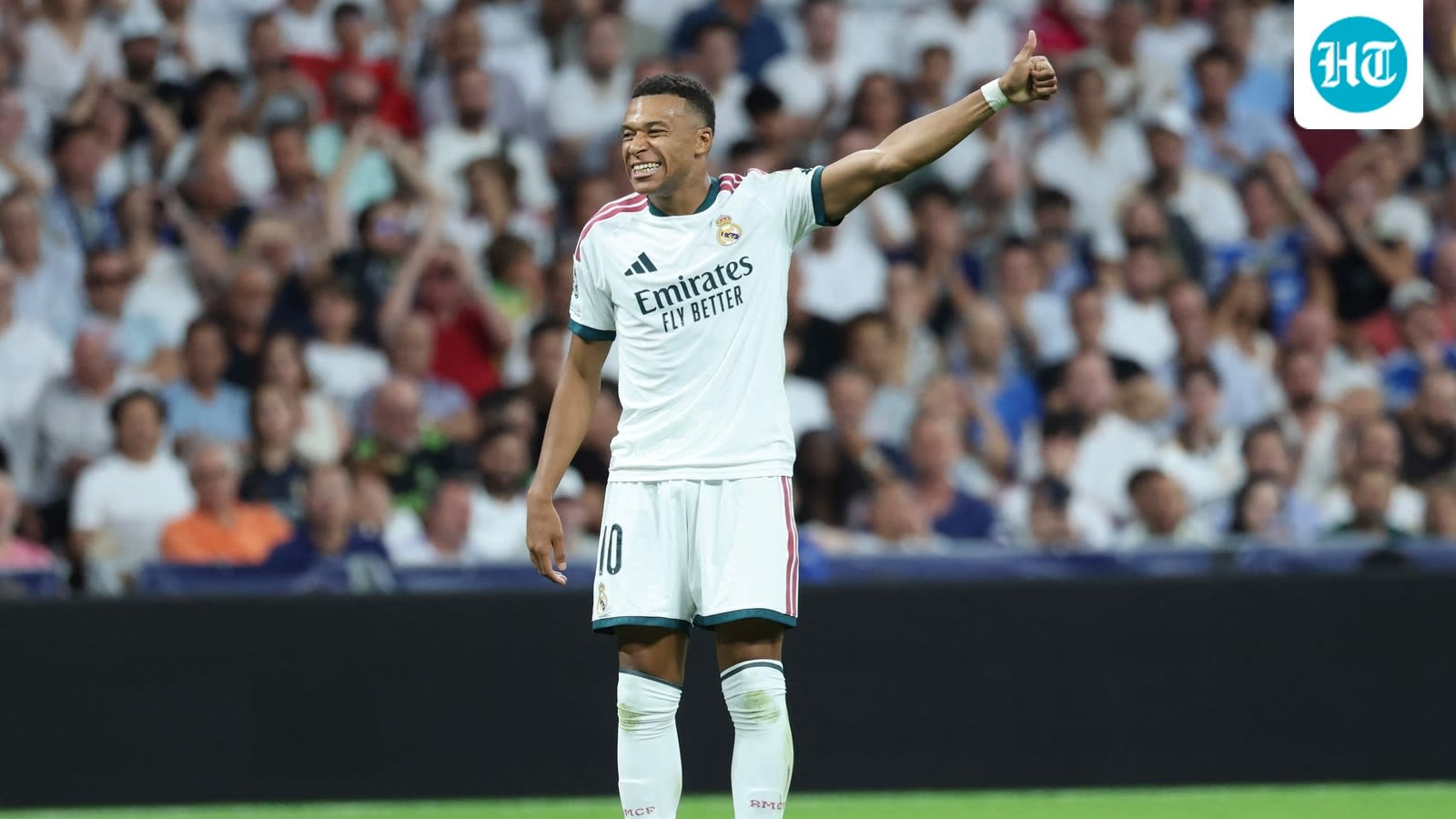
Kylian Mbappe has publicly addressed viral 'dictator' memes, acknowledging their humor while criticizing the lack of sensitivity regarding historical figures. He distinguished between harmless internet trends and imagery that trivializes real-world suffering.
The Intersection of Internet Culture and Public Perception
Kylian Mbappe, the captain of the French national football team and current Real Madrid star, has recently found himself at the center of an unusual social media phenomenon. Viral memes portraying him as an authoritarian ‘dictator’ have proliferated across various platforms, often utilizing AI-generated imagery and photoshopped edits. These memes depict the athlete in military-style uniforms or in the aesthetic of historical figures associated with oppressive regimes, creating a surreal digital narrative that has become a staple of football-related content.
Analyzing the 'Dictator' Meme Phenomenon
The emergence of this trend reflects the broader evolution of how modern sports icons are consumed by digital audiences. While the memes are largely intended as satirical commentary on Mbappe’s perceived influence and control within his professional environments, the medium has increasingly drifted into potentially problematic territory. By utilizing the iconography of historical dictators, the trend transforms a celebrity’s professional stature into a caricature that risks normalizing or trivializing the gravity of actual political authoritarianism.
Mbappe’s Measured Response
In his recent comments, Mbappe demonstrated a nuanced understanding of internet culture, admitting that he finds the humor in the absurdity of the situation. However, he drew a firm line between harmless banter and a lack of ‘political and human awareness.’ By highlighting that these comparisons can inadvertently minimize the reality of those who have suffered under actual dictators, he has challenged his fanbase to consider the ethical implications of their digital output.
The Responsibility of the Digital Fanbase
This incident highlights a growing friction between the detached, fast-paced nature of meme culture and the real-world impact of digital representation. When fans engage in trends that co-opt the imagery of mass suffering for the sake of a joke, they often do so without considering the weight of the symbols being used. Mbappe’s critique serves as a reminder that even in the context of professional sports, where players are accustomed to scrutiny, there remains a need for social responsibility in how public figures are framed.
Future Trends and Social Awareness
As AI-generated content becomes more accessible, the prevalence of such memes is likely to grow, potentially blurring the lines between satire and misinformation. The response from a high-profile figure like Mbappe may set a precedent for how athletes engage with their own digital footprints. Moving forward, the sports industry may see a shift in how players address their online reputation, moving away from simple reactive measures toward more active, values-based communication regarding their digital presence.
Conclusion
Ultimately, Kylian Mbappe’s rejection of the 'dictator' label is not merely a defense of his personal image, but a call for greater maturity within digital discourse. While the internet will likely continue to produce satirical content, the athlete’s intervention forces a necessary pause, reminding us that the symbols we use for entertainment carry historical weight that should not be ignored in the pursuit of viral engagement.
Verification Required?