Pakistan's Razaullah Khan scripts history, enters record books on Test debut
Source Entity
PRANAV SHUKLA
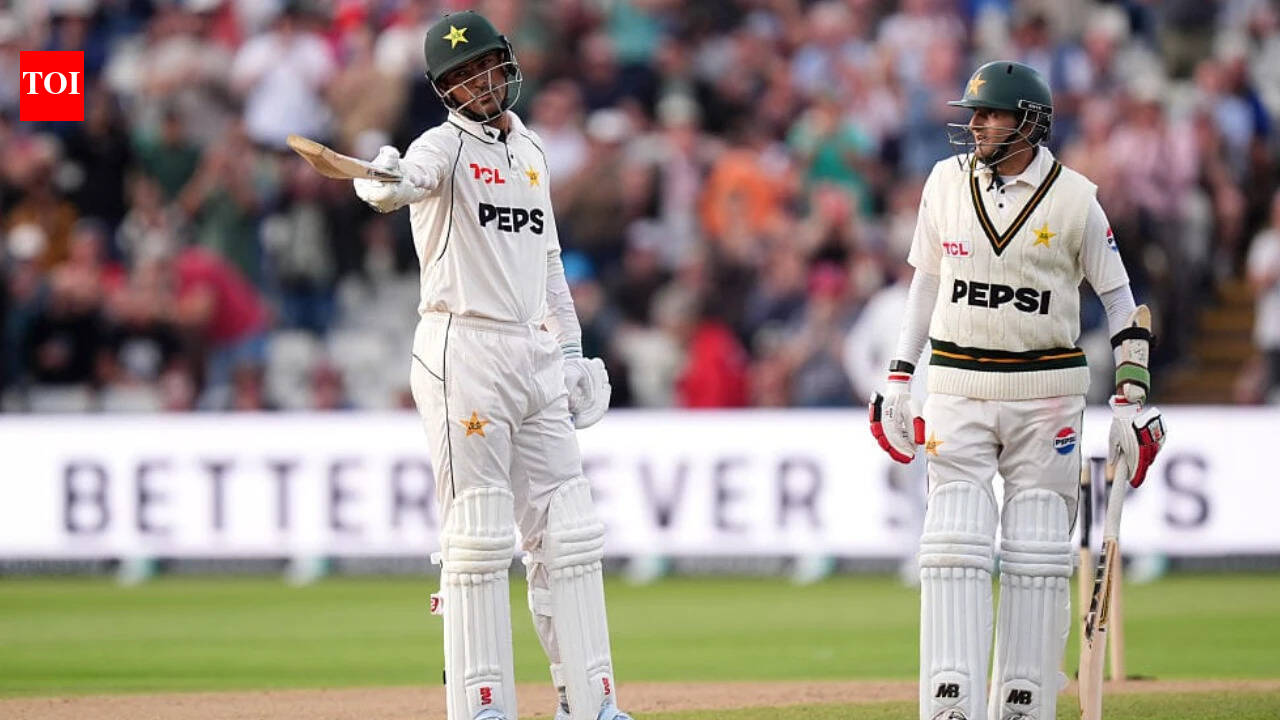
Nasser Hussain has criticized the Pakistan Cricket Board for selecting Saim Ayub for the third Test against England based on his T20 form in the CPL. Ayub's subsequent pair of ducks has fueled concerns regarding the PCB's selection processes and the integrity of Test cricket.
The Crisis of Selection: Analyzing the Saim Ayub Controversy
A Questionable Path to the Test Arena
The recent performance of Saim Ayub in the third Test against England at Edgbaston has ignited a firestorm of criticism, most notably from former England captain Nasser Hussain. The core of the controversy lies in the Pakistan Cricket Board's (PCB) decision to "parachute" Ayub into the Test squad directly from the Caribbean Premier League (CPL). Critics argue that selecting a player for the most rigorous format of the game based on short-form T20 success is a fundamental error in judgment, particularly when the player has lacked recent exposure to first-class cricket.
The Failure of 'Quick Fix' Strategies
The Mohsin Naqvi-led PCB has faced intense scrutiny following the team's ongoing slump. In a desperate bid to reverse fortunes after a loss at Lord's, the board made sweeping changes, replacing seven players. However, the result in Birmingham proved that personnel changes without structural foundations are ineffective. The team's struggles continued, with the match trending toward a conclusion within three days, highlighting that the issues plaguing Pakistan cricket run far deeper than individual selection choices.
Historical Parallels and Disrespect to the Format
Nasser Hussain’s harsh assessment included a direct comparison to India’s 2011 tour of England. During that series, Virender Sehwag was brought into the squad mid-series at Edgbaston, only to register a pair of ducks. Hussain utilized this historical anecdote to argue that such selection policies demonstrate a "disrespect and disregard" for the nuances of Test cricket. By prioritizing T20 form over the patience and technical refinement required for the longest format, the PCB is being accused of undermining the prestige of the Test arena.
The Statistical Reality of Ayub's Struggle
Saim Ayub's performance in the third Test was statistically disastrous. Facing only 11 balls across two innings, he was dismissed for a duck on both occasions by England pacer Ollie Robinson. This failure serves as a case study for why acclimatization and red-ball practice are non-negotiable prerequisites for international Test cricket. The inability to survive against high-quality bowling after transitioning from a T20 environment suggests a lack of preparation that has left the player exposed on the world stage.
Broader Implications for Pakistan Cricket
The situation underscores a recurring theme in modern cricket: the tension between the commercial dominance of T20 leagues and the traditional requirements of Test match play. The PCB's reliance on CPL form suggests an urgent need to re-evaluate their selection philosophy. If the board continues to bypass domestic first-class structures in favor of T20 specialists, they risk further eroding the team's competitive standing in the ICC World Test Championship.
Future Outlook: A Call for Structural Reform
Moving forward, the fallout from this selection disaster will likely pressure the PCB to adopt more rigorous, merit-based criteria for Test call-ups. True stability for Pakistan cricket will not be found in rapid-fire squad rotations, but in nurturing talent through consistent red-ball domestic exposure. The lesson from Edgbaston is clear: international Test success requires a specialized skill set that cannot be replicated through T20 performance alone.
Multiple Citing Sources