2030 World Cup final war intensifies after Morocco PM slams own federation chief and Spain fires back
Source Entity
Latest News: Todays Latest News Headlines from India & World | Hindustan Times | Hindustan Times
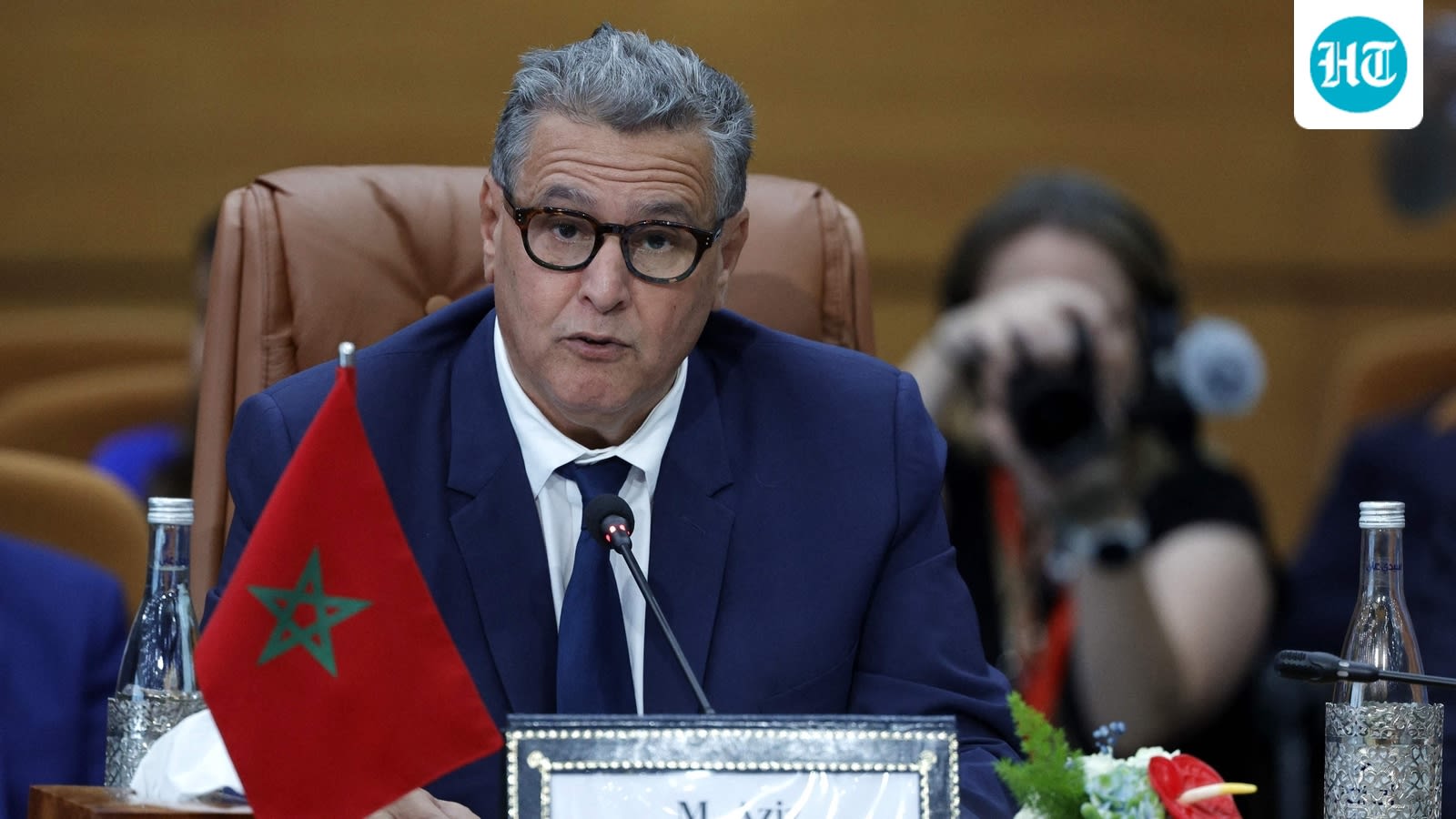
Tensions have escalated between Morocco and Spain over the 2030 World Cup final venue after Moroccan officials prematurely claimed the hosting rights. Prime Minister Aziz Akhannouch has publicly rebuked his own football chief, emphasizing the need for diplomatic coordination with co-hosts Spain and Portugal.
The Diplomatic Tensions of the 2030 World Cup Bid
The announcement by Morocco's football federation president, Fouzi Lekjaa, that the 2030 FIFA World Cup final would be hosted in a new stadium in the province of Benslimane, near Casablanca, has triggered a significant diplomatic rift. This unilateral declaration caught the Moroccan government off guard, leading Prime Minister Aziz Akhannouch to issue a sharp public rebuke. The Prime Minister’s intervention underscores the high-stakes nature of international sporting events, which serve not only as athletic showcases but as massive geopolitical and economic leverage points for the host nations involved.
The Fragility of a Tri-National Partnership
At the heart of this conflict is the tripartite agreement between Morocco, Spain, and Portugal. FIFA’s decision to award the 2030 tournament to a transcontinental bid was a historic move, intended to bridge cultures and continents. However, the complexity of managing three sovereign nations' infrastructure plans and national pride has created a competitive atmosphere. When Lekjaa suggested that Morocco had secured the final, it bypassed the collaborative spirit required for such a complex, multi-nation hosting arrangement, prompting an immediate defensive reaction from Spanish officials who firmly believe the final belongs on their soil.
The Role of Infrastructure and National Prestige
The push for the final is rooted in the immense prestige and economic windfall that comes with hosting the tournament’s crowning moment. The Moroccan proposal specifically highlights a massive stadium project in Benslimane, which the federation envisions as a global centerpiece. However, Prime Minister Akhannouch’s public criticism of this premature announcement signals that the Moroccan government is wary of damaging its international credibility. By distancing himself from the football federation’s claim, the Prime Minister is attempting to maintain a constructive dialogue with Spain and Portugal, ensuring that the partnership remains intact through formal, transparent negotiations.
FIFA’s Silence and the Power Vacuum
FIFA has yet to officially designate the venue for the 2030 final, leaving a vacuum that local officials are eager to fill with nationalistic rhetoric. This silence has effectively fueled the 'war' between the host nations. Without a clear directive from the governing body, each country is engaged in a public relations campaign to stake their claim. This creates a volatile environment where internal political pressures—such as the rally where Akhannouch expressed his displeasure—can easily spill over into international sports diplomacy, complicating the logistics of the tournament.
Future Implications for Global Sporting Events
This incident serves as a case study for the challenges of future multi-country hosting bids. As FIFA moves toward larger, more inclusive tournaments, the need for centralized, disciplined communication becomes paramount. If Morocco, Spain, and Portugal cannot reconcile their internal ambitions with the reality of a shared hosting mandate, the 2030 World Cup risks being defined by administrative friction rather than athletic excellence. Moving forward, the success of this tournament will depend on whether these nations can prioritize the collective success of the bid over individual national triumphs.
Verification Required?