
Why are we still pretending that the chip is the only constraint on artificial intelligence? The market has spent years obsessing over H100s and Micron memory, ignoring the most basic requirement of any computation: electrons. We are attempting to run a twenty-first-century digital economy on a regulatory framework and a physical grid designed for the twentieth. The result is a collision between internet-speed growth and utility-speed bureaucracy.
The Era of Zero Growth
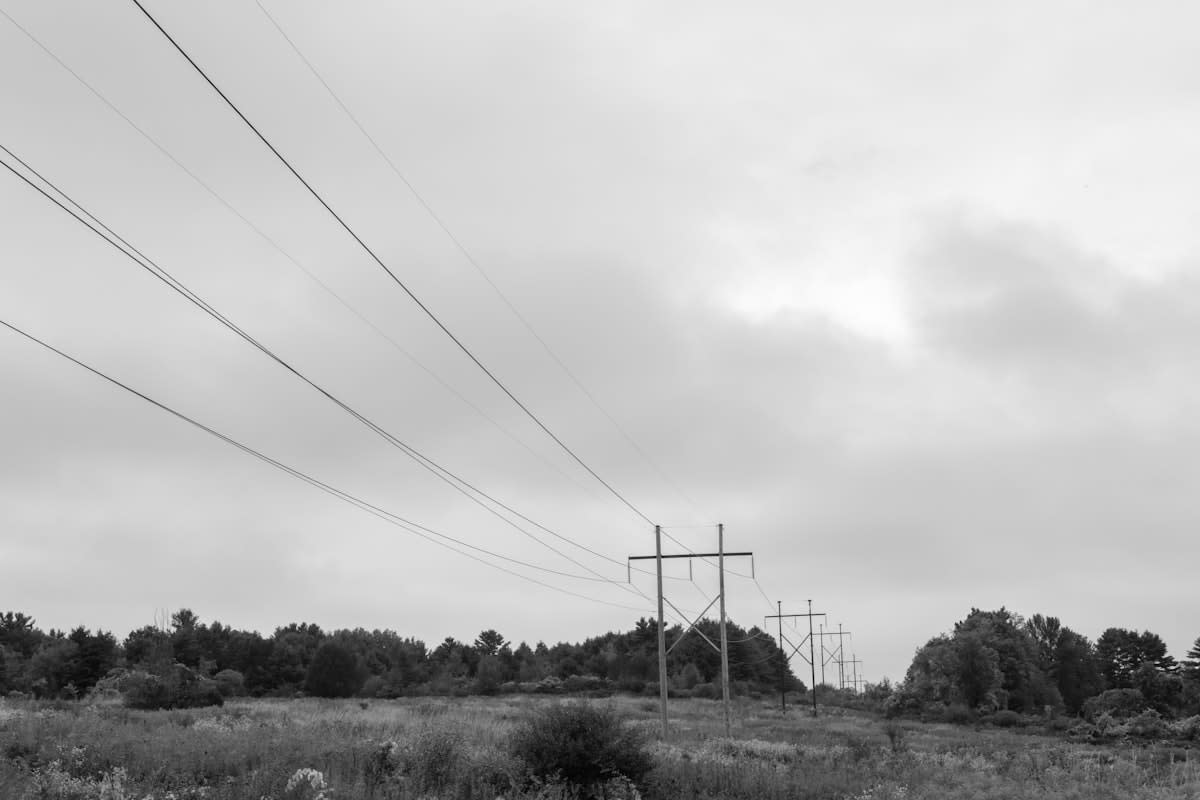
For nearly two decades, the American power sector was effectively asleep. According to a report from Exponential View, U.S. electricity net generation recorded essentially zero growth between 2008 and 2024. This stagnation created a fragile equilibrium that the sudden surge of AI data centers has now shattered. We didn't just stop innovating; we stopped building.
The Velocity Gap
The mismatch is stark: AI moves at the speed of software updates, but power grids move at the speed of zoning permits and copper procurement.
This stagnation has forced a radical reorientation of how power is sourced. Hyperscalers are no longer waiting politely in the utility queue. Instead, they are planning to generate power directly on-site. ING estimates that over 55 gigawatts of behind-the-meter capacity is planned for U.S. data centers—a figure that exceeds the total installed capacity of New York state.
Beyond the GPU: Mapping the New Alpha
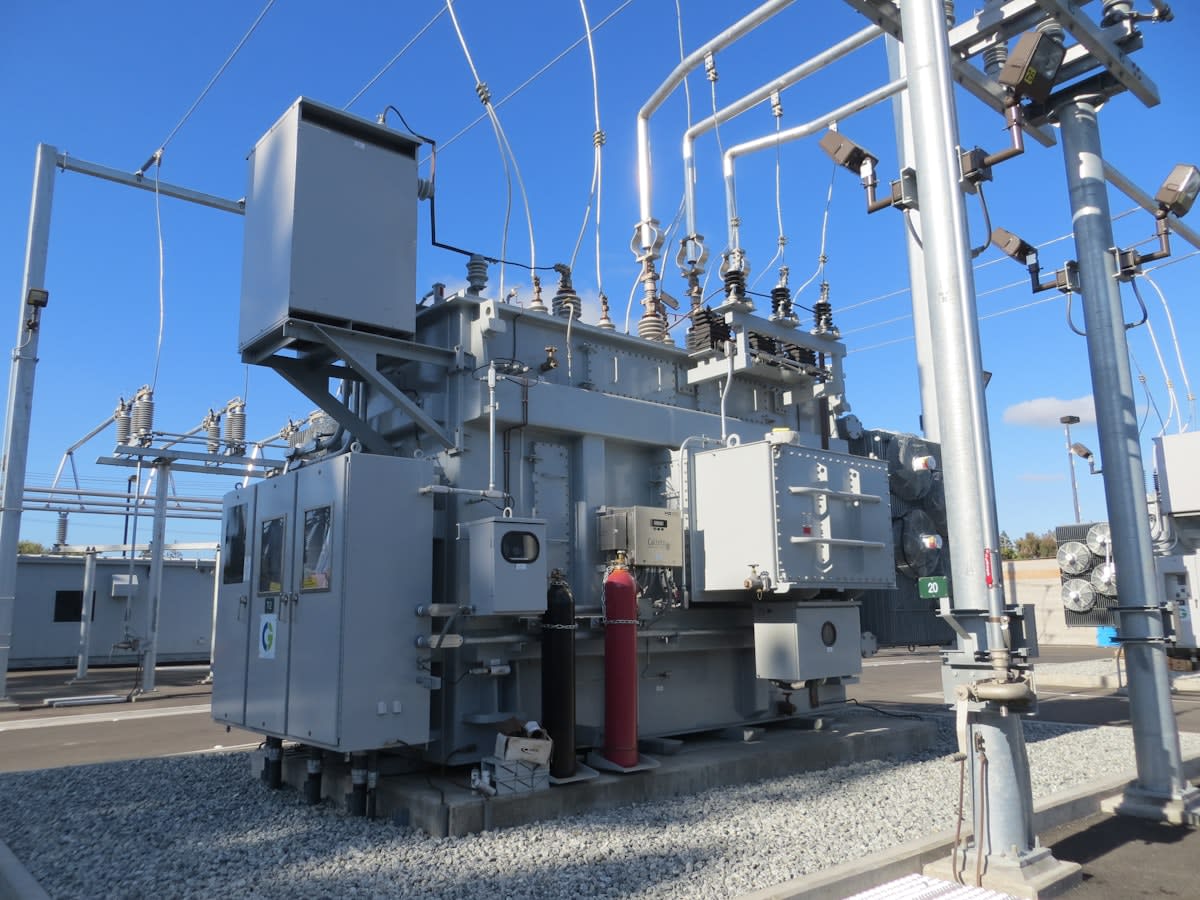
BlackRock has already flagged this evolution, noting that the AI trade now extends far beyond Nvidia and AMD. The real value is migrating toward the unglamorous essentials: turbines, transformers, and grid connections. When energy security becomes a durable investment theme, the winners aren't the ones writing the code, but the ones controlling the bottlenecks.
| Metric | Legacy Utility Model | AI-Driven Infrastructure Model |
|---|---|---|
| Growth Profile | Predictable/Slow | Concentrated/Explosive |
| Power Sourcing | Centralized Grid | Behind-the-Meter/On-site |
| Investment Focus | Maintenance | Rapid Capacity Buildout |
| Primary Bottleneck | Demand Forecasting | Physical Hardware (Transformers) |
"The combined pressures of vulnerable energy supply and rising power demand are making energy security a durable investment theme, favoring infrastructure and critical bottlenecks."— BlackRock
The financial implications are staggering. This isn't a niche correction; it's a total reconstruction of the energy landscape. The money is flowing away from the 'digital' and toward the 'industrial' in a way we haven't seen in generations.
The Ten Trillion Dollar Question
The American Society of Civil Engineers estimates that roughly $10 trillion is needed for U.S. infrastructure over the next decade. A fifth of that—$2 trillion—must be allocated specifically to energy infrastructure to ensure resilience. This isn't a problem of lacking capital or steel; it's a failure of the operating model.
- Direct on-site generation to bypass grid congestion
- Co-designing electrification and automation from the front end
- Increased demand for natural gas to support baseload power
- Deployment of digital intelligence to manage grid stability
While the U.S. struggles with its legacy systems, the global trend is clear: resilience is the new currency. Whether it is the energy-hungry hubs in Texas or the expanding data footprints in Bangalore and Tokyo, the ability to secure a reliable electron is now more valuable than the ability to secure a chip. The 'sleepy' utility sector has finally woken up, and it's bringing a trillion-dollar appetite with it.