
The Hardware Illusion
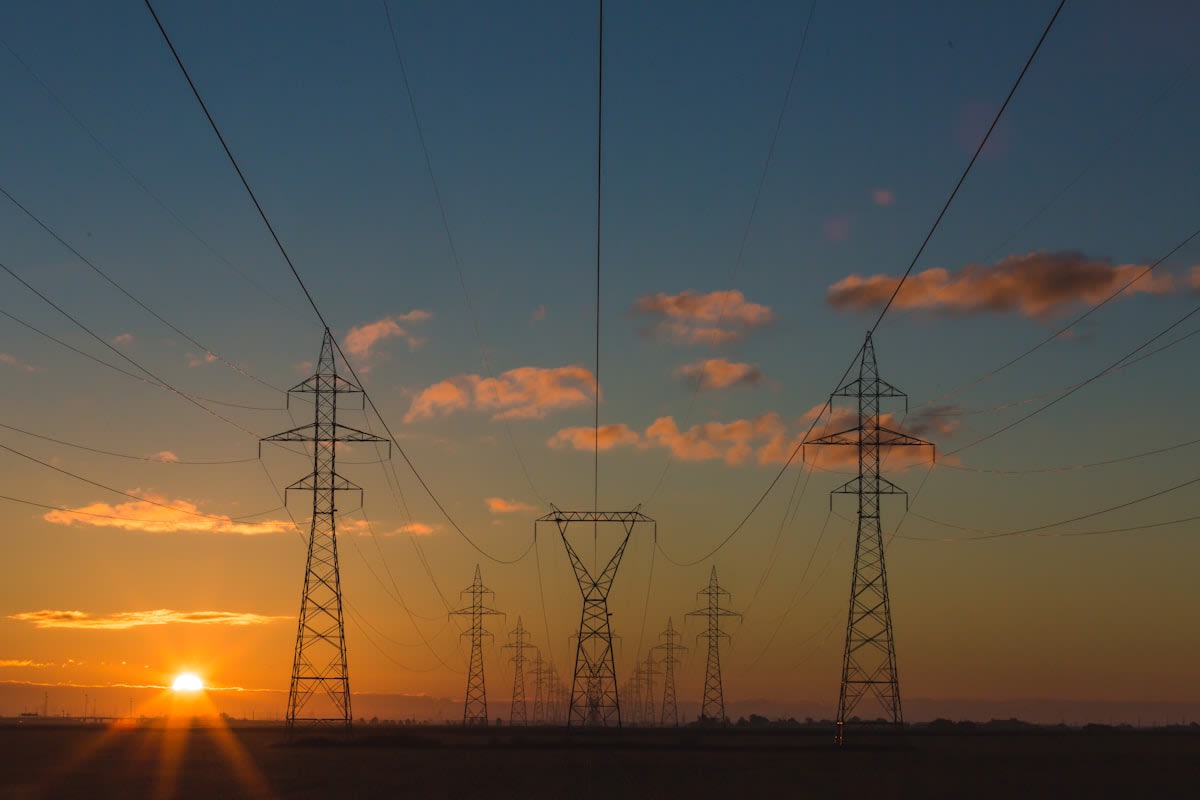
The financial world is currently enamored with the brains of the AI revolution—the GPUs, the neural networks, and the software layers. But brains are useless without a nervous system. BlackRock has already flagged a critical reality: the real trade is moving beyond Nvidia and AMD toward the unglamorous business of getting electrons to data centers on time. We are seeing a systemic collision between hyperscale demand and a physical infrastructure that has been stagnant for nearly two decades.
Consider the American landscape. For sixteen years, from 2008 to 2024, U.S. electricity net generation recorded essentially zero growth. Now, the demand from AI data centers and manufacturing electrification has hit a wall of outdated delivery models. The American Society of Civil Engineers estimates that of the $10 trillion required for national infrastructure over the next decade, a fifth—roughly $2 trillion—must be dedicated to energy infrastructure and grid resilience.
"Essentially, co-designing electrification and automation, deploying digital intelligence as a single integrated system at the front end of every project, not bolted on after commissioning, is what the industry should be, and in many ways already is, heading to."— Industry Analysis via Forbes
Why does this matter? Because the constraint isn't a lack of steel or capital. It is the operating model. The industry is attempting to build 21st-century intelligence on 20th-century delivery systems. This mismatch is forcing a radical adaptation: hyperscalers are no longer waiting for utility companies. They are planning to generate power directly on-site. ING estimates that over 55 gigawatts of behind-the-meter capacity is planned for U.S. data centers—a figure that exceeds the total installed capacity of New York state.
Global Friction and the Capital Paradox
This isn't just a North American struggle; it is a global synchronization problem. In the Asia-Pacific (APAC) region, we see a glaring paradox. Capital is flowing, but execution is lagging. In 2025, the region attracted a record $68.6 billion in renewable energy infrastructure investment, a 17% increase from the previous year. Yet, developers report the world's least efficient procurement processes.
| Region/Country | Financial Requirement/Investment | Primary Constraint | Strategic Focus |
|---|---|---|---|
| United States | $2 Trillion (Estimated) | Operating/Delivery Models | Co-innovation & On-site Generation |
| Vietnam | $134.7 Billion (2021-2030) | Financial Resource Mobilization | Smart Energy Infrastructure |
| APAC Region | $68.6 Billion (2025 Actual) | Fragmented Procurement/Grid | Scaling Tender Volumes |
Vietnam provides a stark example of the scale of this challenge. The revised Power Development Plan VIII outlines a need for $134.7 billion between 2021 and 2030, with the vast majority—$119.8 billion—earmarked for power generation. The struggle here is not just about the money, but about mobilizing financial resources to support the digital economy's competitiveness.
The Procurement Trap
The APAC failure proves that capital spending does not equal project delivery. Grid constraints and fragmented tenders act as a tax on investment, slowing the transition regardless of how much money is on the table.
Is there a way out of this inertia? The answer lies in the integration of compliance and manufacturing. Look at Kyowa Kirin, a Japan-based pharmaceutical giant. Rather than battling the traditional U.S. regulatory slog, they entered the FDA PreCheck Pilot Program for their Sanford facility. By building their quality and compliance framework from the ground up in collaboration with the regulator, they are attempting to bypass the standard timelines that typically plague international expansions.
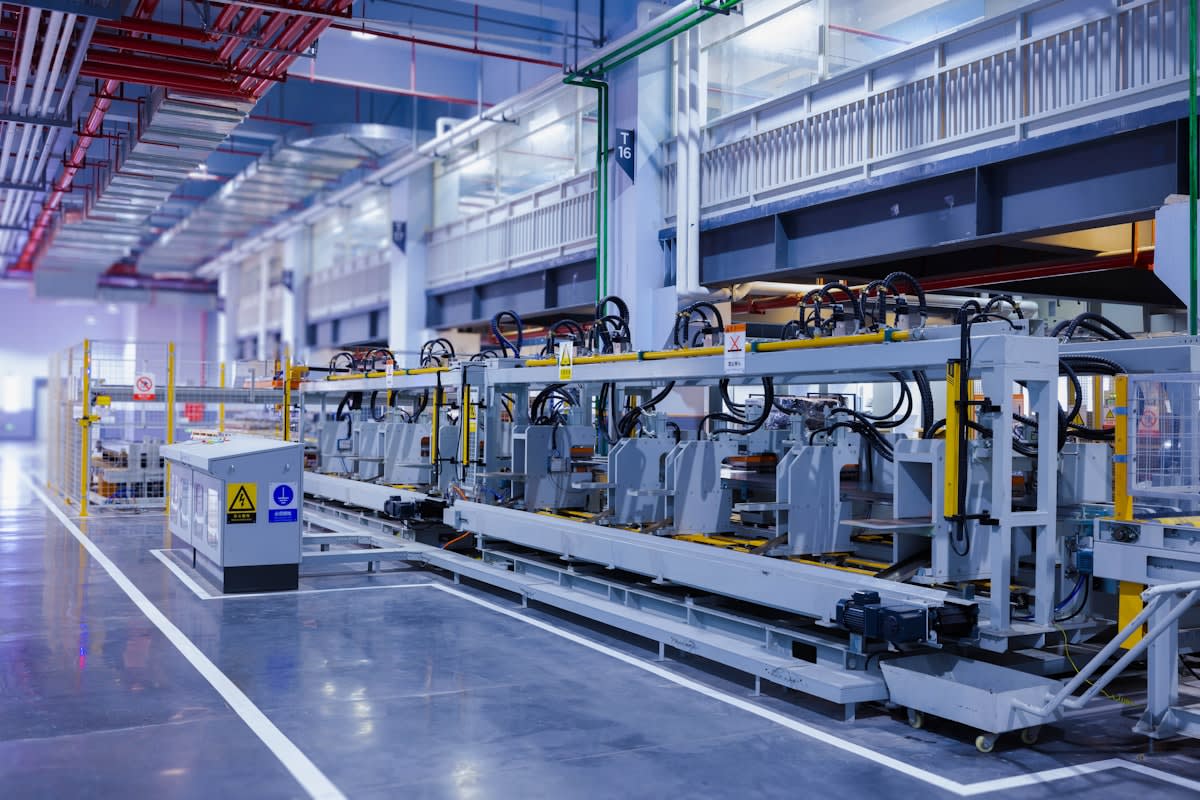
This move toward localized, highly integrated footprints is echoing across other sectors. MSC Industrial Supply is emphasizing end-to-end metalworking expertise to combat volatility. The common thread is a move away from 'just-in-time' efficiency toward 'just-in-case' resilience. The strategic winners will be those who treat the physical supply chain as a competitive advantage rather than a cost center.
The current trajectory suggests that the next decade will not be defined by who has the best AI model, but by who can actually power it. We are moving into an era of optimistic realism, where the greatest opportunities lie in the most boring places: transformers, grid connections, and procurement protocols. The intelligence revolution is, fundamentally, an infrastructure project.