
The Death of the Paper Trail
Walk into any traditional bank branch in Bangkok or Ho Chi Minh City, and you will see the same ritual: a mountain of paperwork, proof of income, and the insistence on physical collateral. For decades, this was the only way to manage risk. But for the millions of unbanked workers in the gig economy, these requirements are an insurmountable wall. Enter the invisible banker. Algorithmic lending is no longer a futuristic concept; it is the current operating system for credit in Southeast Asia. By replacing the loan officer's intuition with machine learning models, fintechs are extending credit to people who have never stepped foot inside a bank.
This shift represents a fundamental decoupling of creditworthiness from formal employment. Why does a bank care about a payslip when an algorithm can analyze three years of Grab delivery patterns, telco top-up history, and e-commerce spending habits? The logic is simple: digital behavior is a more accurate proxy for reliability than a static document. According to the World Bank's Global Findex (2021), a significant portion of the population in emerging economies remains excluded from formal credit, yet smartphone penetration has surged. This gap created a vacuum that AI-driven lenders were eager to fill, turning data points into dollars.
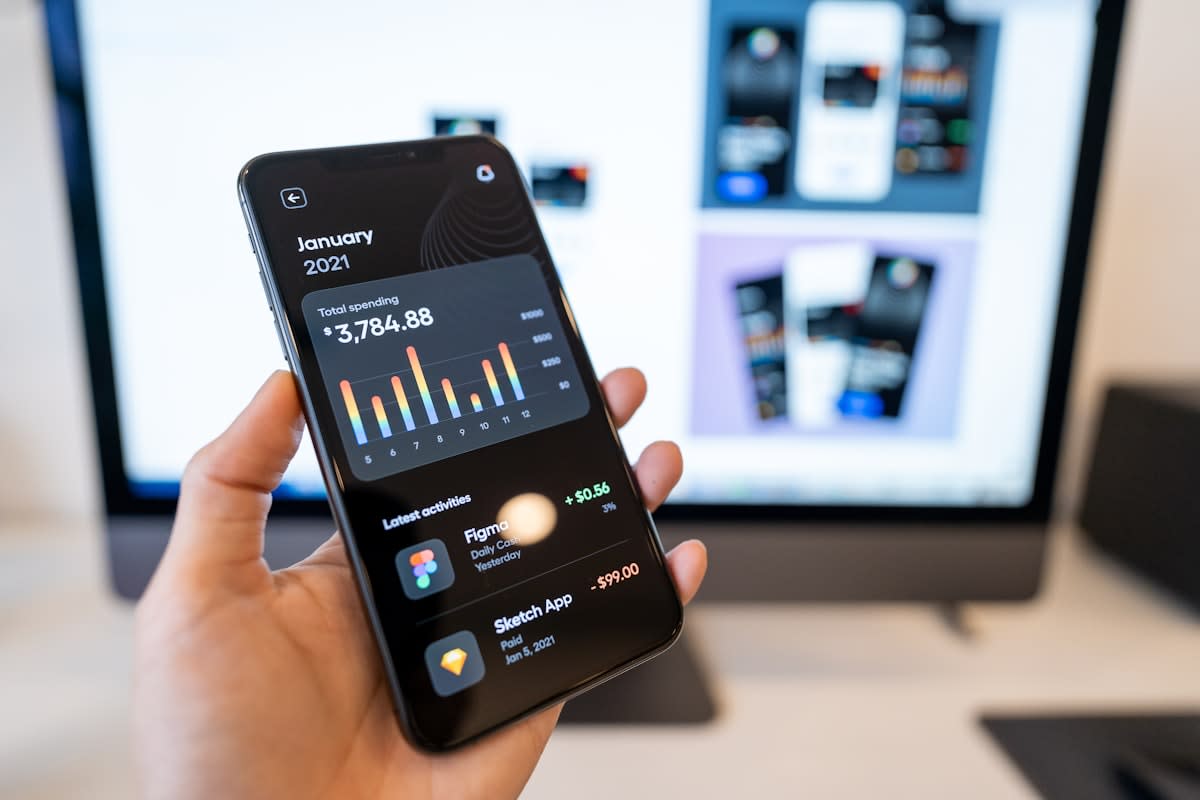
Is this true financial inclusion, or just a more efficient way to lend to the precarious? The answer lies in the delta between 2022 and 2024. A year ago, the industry was in a growth-at-all-costs phase, with algorithms optimized for volume. Today, the focus has pivoted toward precision. The 'Invisible Banker' is getting smarter, learning from the defaults of the pandemic era to refine its risk appetite. We are seeing a transition from simple linear regression models to complex neural networks that can predict a default before the borrower even knows they are in trouble.
The Data Alchemy: What the Algorithm Actually Sees
To the uninitiated, algorithmic lending looks like magic. To the practitioner, it is data alchemy. Lenders are harvesting non-traditional data—Alternative Credit Scoring (ACS)—to build a psychological and behavioral profile of the borrower. This includes everything from how quickly a user types their application (a proxy for confidence or fraud) to the consistency of their electricity bill payments via digital wallets. In Indonesia, the integration of e-commerce data from platforms like Shopee or Tokopedia allows lenders to see real-time cash flow, making the concept of a monthly salary statement obsolete.
- Telco Data: Call frequency, data usage patterns, and top-up consistency.
- E-commerce Velocity: Frequency of purchases, average order value, and return rates.
- Device Metadata: Smartphone model, OS version, and app installation history.
- Psychometric Testing: Short, gamified quizzes that measure risk aversion and honesty.
But here is the friction point. Within the industry, there is a fierce internal debate between the 'Quants' and the 'Risk Officers.' I have sat in rooms where the data scientists argue that the model's 98% accuracy rate justifies its opacity, while the risk officers demand to know why a specific person was rejected. This is the 'Black Box' problem. When an algorithm denies a loan based on a combination of 10,000 variables, providing a transparent reason for rejection becomes nearly impossible. This tension is now moving from the boardroom to the regulator's office.
"The transition toward AI-driven credit is not merely a technical upgrade; it is a social reconfiguration of trust. We are moving from a system of institutional trust to a system of mathematical trust."— Paraphrased from Asian Development Bank (ADB) Digital Finance Report, 2023
How does this look on the ground? Imagine a street vendor in Manila. He has no bank account, no land title, and no formal contract. In 2019, his only option was a loan shark with usurious rates. In 2024, he downloads an app, grants permission to access his SMS logs and GPS history, and receives a $200 micro-loan in ninety seconds. The algorithm sees that he has been operating in the same location for three years and maintains a steady stream of digital payments from customers. He is a 'safe bet' to the machine, even if he is 'invisible' to the bank.
The 2024 Pivot: From Expansion to Regulation
The 'Wild West' era of algorithmic lending is ending. Between 2021 and 2023, the region saw an explosion of unlicensed lending apps, many of which used predatory tactics and invasive data scraping. The delta we are seeing now is a aggressive regulatory correction. Governments in the Philippines and Indonesia have begun cracking down on 'loan sharks in the cloud,' implementing stricter licensing requirements and data privacy laws. The focus has shifted from 'how many people can we lend to' to 'how can we lend sustainably' (Source: ADB, 2023).
| Metric | Traditional Banking (2020) | Algorithmic Lending (2024) |
|---|---|---|
| Approval Time | 2-4 Weeks | Under 5 Minutes |
| Primary Data Source | Credit Bureau / Collateral | Digital Footprint / ACS |
| Target Demographic | Salaried Professionals | Gig Workers / SMEs |
| Risk Assessment | Static / Periodic | Dynamic / Real-time |
This regulatory tightening is actually a catalyst for resilience. The survivors of this cull are the platforms that can integrate 'Responsible AI'—models that are not only predictive but also explainable. We are seeing the emergence of 'Hybrid Credit,' where algorithmic speed is tempered by human oversight for larger loan amounts. This hybridity is the new gold standard, balancing the efficiency of the machine with the ethical guardrails of human judgement.
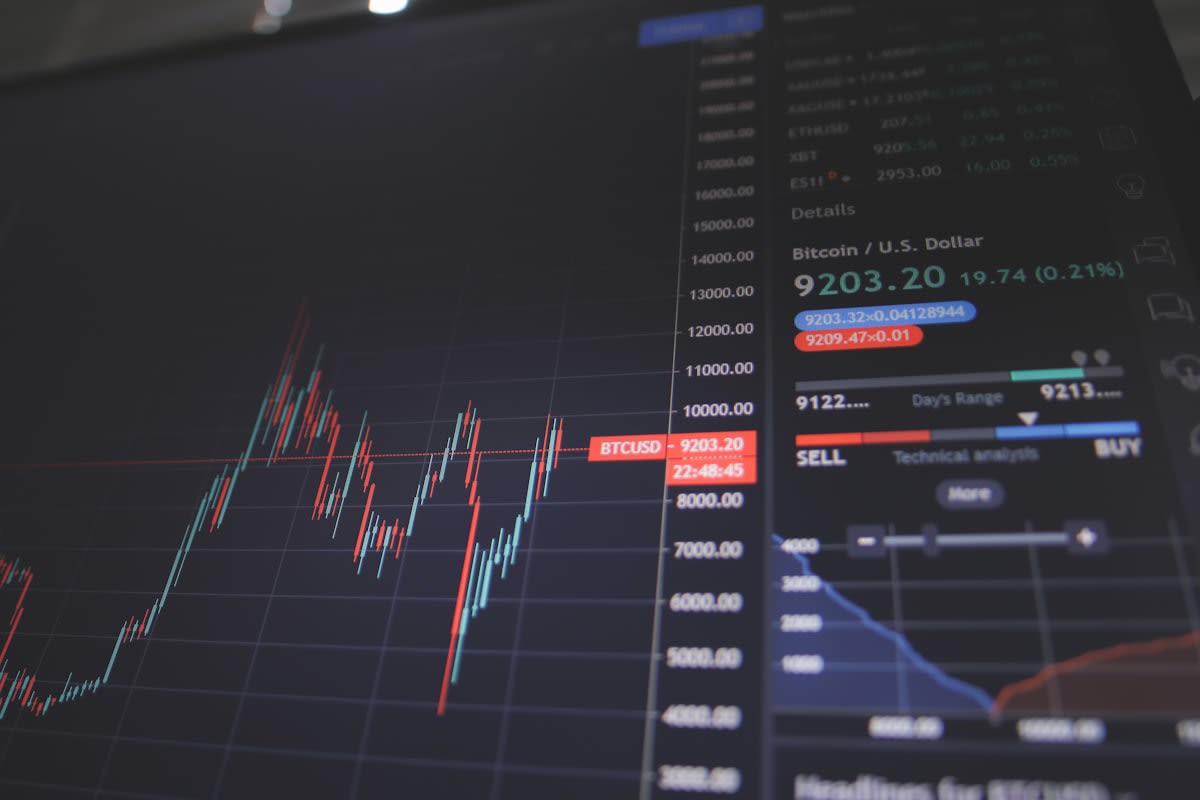
The real opportunity here is not just in the loans themselves, but in the data generated. As these algorithms refine their models, they are creating a new form of 'Digital Identity.' For a worker in the informal economy, a history of successful repayments to an algorithmic lender is a portable asset. This digital credit history can eventually be used to unlock more traditional financial products, like insurance or mortgages, effectively bridging the gap between the informal and formal economies.
Will this lead to a systemic collapse if the models are wrong? The risk is real, but the diversification of data sources acts as a hedge. Unlike the 2008 crisis, where the failure was rooted in a single, flawed metric (AAA-rated subprime mortgages), algorithmic lending relies on a thousand different signals. If one signal fails, the others provide a safety net. The resilience of the system comes from its granularity.
Fact-Check & Accuracy Note
This article's analysis of the shift from volume to precision in algorithmic lending and the regulatory trends in Indonesia and the Philippines is informed by data from the Asian Development Bank (ADB) 2023 reports and the World Bank Global Findex 2021. The 'Black Box' debate and the tension between Quants and Risk Officers reflect ongoing industry discussions within the fintech sector. Some uncertainty remains regarding the long-term impact of ACS on systemic financial stability.