When It Rains, Delhi's Kirari Sinks In Sewage: Rs 263 Crore Drain Plan Gets Nod
Source Entity
NDTV News Search Records Found 1000
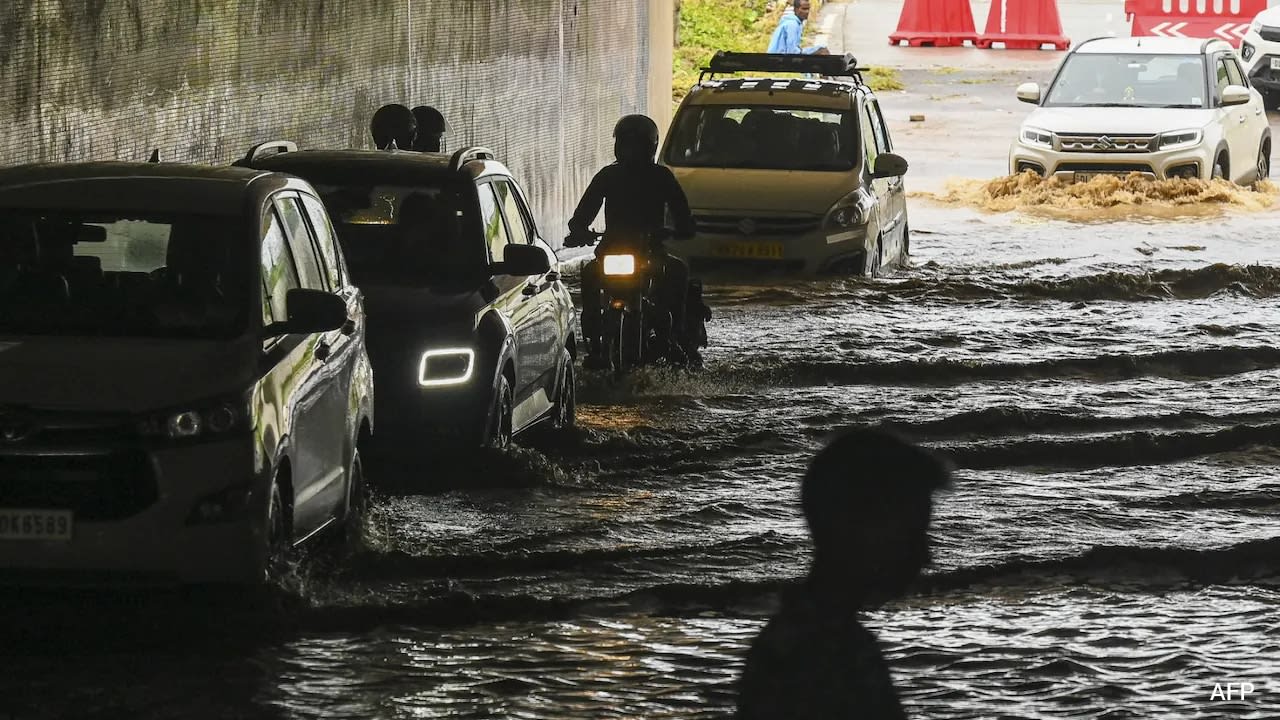
The Delhi government has approved a Rs 263 crore project to overhaul the drainage system in Kirari. This initiative aims to address chronic waterlogging in over 100 unauthorized colonies that currently lack adequate sewerage infrastructure.
Addressing Urban Decay in Kirari: A Critical Infrastructure Overhaul
For residents of Delhi’s Kirari region, the onset of the monsoon season has historically been synonymous with severe waterlogging and public health crises. The approval of a Rs 263 crore drainage project marks a significant intervention by the state government to address the systemic neglect of over 100 unauthorized colonies that have long operated without a formal sewerage system. This initiative represents a long-overdue commitment to urban planning in one of the capital's most densely populated and underserved areas.
The Challenge of Unauthorised Colonies
Kirari’s geography is defined by a high concentration of unauthorized colonies—residential clusters that developed rapidly without formal municipal oversight or integrated utility planning. In such areas, the absence of a structured sewerage network means that wastewater often flows into open drains or accumulates on roadsides, creating a fertile ground for waterborne diseases. The Rs 263 crore allocation is designed to integrate these disjointed settlements into a cohesive drainage framework, bridging the gap between informal development and basic urban utility standards.
Economic and Social Implications
Beyond the immediate relief from flooding, this infrastructure investment carries significant socioeconomic weight. For small businesses and daily-wage earners in Kirari, recurring floods cause substantial economic disruption, damaging property and halting commerce. By investing in a robust drainage network, the government is not merely fixing pipes; it is attempting to stabilize the local economy and improve the quality of life for thousands of families who have been marginalized by the lack of civic amenities.
Historical Context of Urban Management
Delhi has long struggled with the legacy of unorganized urban expansion. While the master plan for the city often focuses on planned sectors, the reality on the ground—especially in the outer regions—is a mosaic of unplanned growth. The decision to fund this project signals a shift toward addressing the specific needs of these 'unauthorized' pockets, acknowledging that they are permanent fixtures of the city's demographic landscape rather than temporary anomalies.
Looking Ahead: Implementation and Sustainability
The success of this Rs 263 crore project will ultimately depend on the efficiency of its execution and long-term maintenance. Effective drainage requires not just the construction of concrete channels, but an integrated waste management strategy to ensure that these new systems do not become clogged with municipal solid waste. If implemented correctly, this project could serve as a blueprint for other underserved regions in the national capital, proving that targeted government intervention can mitigate the risks associated with rapid, unplanned urbanization.
Verification Required?