Kerala HC denies plea for in-camera proceedings in trial of Abhimanyu murder case
Source Entity
India Latest News: Top National Headlines Today & Breaking News | The Hindu
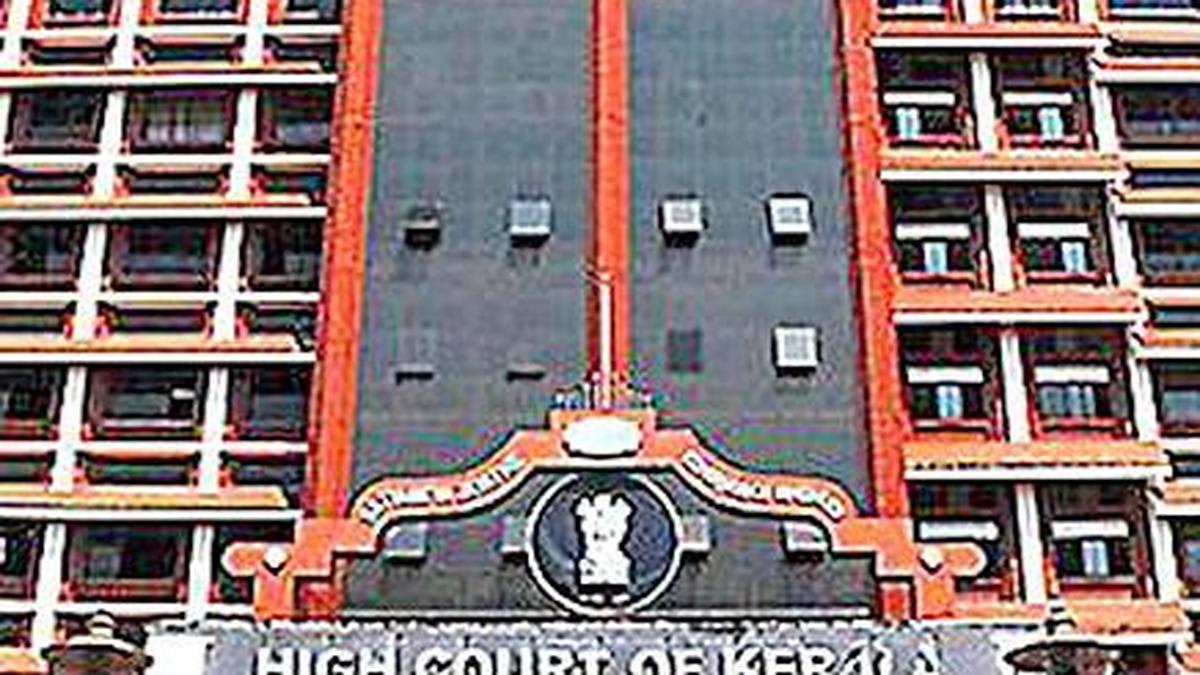
The Kerala High Court has rejected a plea for in-camera proceedings in the Abhimanyu murder trial. While maintaining an open-court policy, the court ordered restrictions on photography and limited public access during witness testimony.
Kerala High Court Rules Against In-Camera Trial in Abhimanyu Murder Case
The Judicial Decision
The Kerala High Court has officially upheld the Ernakulam District and Sessions Court’s refusal to grant in-camera proceedings for the trial concerning the murder of Abhimanyu. Justice C.S. Dias, presiding over the matter, concluded that the existing circumstances of the case do not meet the legal threshold required to deviate from the principle of an open-court trial. This decision reinforces the judiciary's commitment to transparency in criminal proceedings, ensuring that justice is not only done but seen to be done.
Balancing Transparency and Security
While the High Court denied the request for a fully closed trial, it acknowledged the potential logistical and security challenges posed by public interest. The court issued specific directives to the trial court to mitigate these risks. These include a strict prohibition on photography and video recording of the accused within the courtroom, as well as a mandate to consider restricting public access specifically during the examination of eyewitnesses. This nuanced approach strikes a balance between the public’s right to observe the judicial process and the necessity of protecting the integrity of witness testimony.
The Arguments of the Accused
The petitioners, representing the accused, had initially sought in-camera proceedings on the grounds that an open court might lead to overcrowding, which they argued could impede the orderly examination of witnesses. Furthermore, the defense contended that issues surrounding the test identification parade necessitated a more controlled environment. However, the lower court had previously found no substantial evidence to suggest that an open trial would compromise the fair administration of justice, a view ultimately affirmed by the High Court.
Legal Context and Precedent
In the Indian judicial system, open-court trials are the standard, rooted in the belief that sunlight is the best disinfectant. Exceptions are granted only under extraordinary circumstances, such as cases involving sexual offenses, issues of national security, or to protect the identity of vulnerable witnesses. By denying the request in this instance, the Kerala High Court has signaled that the Abhimanyu murder case, while highly sensitive, does not warrant a departure from standard procedural norms.
Broader Implications for Future Trials
This ruling serves as a significant precedent for how courts manage high-profile criminal cases in Kerala. By opting for a 'middle path'—denying full closure while implementing targeted restrictions—the court has provided a framework for managing public and media interest without infringing upon the rights of the accused or the process of evidence collection. This decision ensures that the trial remains accessible to the public, upholding the constitutional mandate of an open trial while providing necessary safeguards for judicial decorum.
Conclusion
The Kerala High Court’s decision is a definitive step in maintaining the transparency of the Abhimanyu murder trial. By rejecting the plea for in-camera proceedings while ordering practical security measures, the judiciary has reaffirmed its dedication to a fair trial process. As the proceedings continue, these directives will play a crucial role in preventing disruptions and ensuring that the testimony of witnesses remains untainted by external pressures or unauthorized media coverage.
Verification Required?