'Make bodycams mandatory for cops': Plea in Delhi HC after alleged harassment during protests
Source Entity
Latest News: Todays Latest News Headlines from India & World | Hindustan Times | Hindustan Times
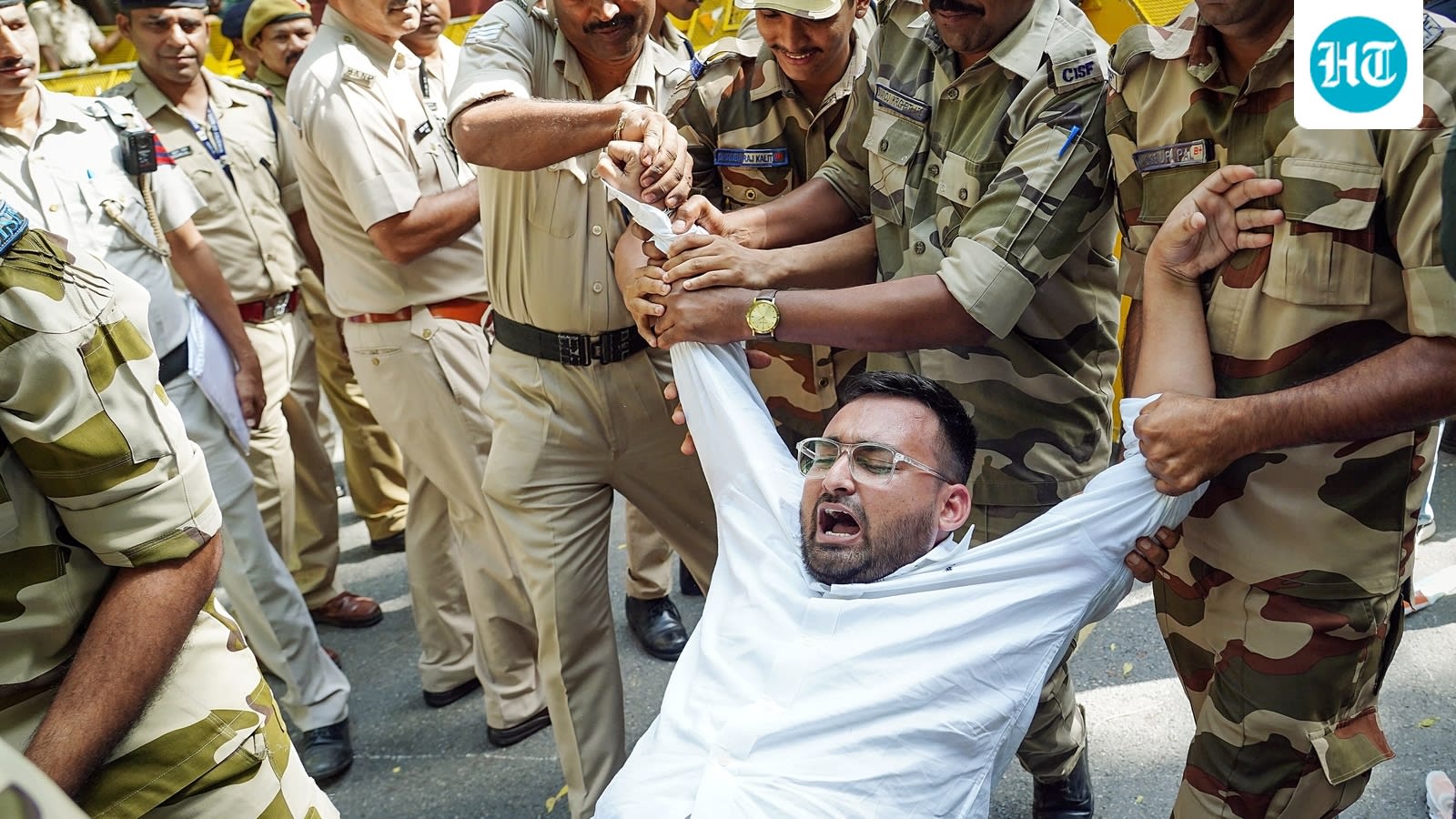
Delhi Police have introduced body-worn cameras for officers managing protests following allegations of misconduct. A PIL has been filed in the Delhi High Court to formalize these measures through standardized legal procedures.
Enhancing Accountability: The Shift to Body-Worn Cameras in Delhi
The Catalyst for Change
Recent demonstrations targeting the Election Commission of India have brought the conduct of law enforcement into sharp focus. Following widespread allegations of harassment during these protests, the Delhi Police have initiated the deployment of body-worn cameras for frontline personnel tasked with crowd management. This move is a direct response to the increasing pressure for transparency in how authorities handle public dissent in the capital.
Current Deployment and Scope
According to reports, these devices are now being utilized by officers stationed at protest sites and along the critical corridors leading to the Election Commission office. By recording interactions in real-time, the police aim to create an objective, verifiable record of events. This technological intervention serves as a digital witness, intended to protect both the protesters from potential misconduct and the officers from unfounded accusations.
The Legal Push: Seeking a Mandate
While the police have implemented this as an administrative measure, a Public Interest Litigation (PIL) has been filed in the Delhi High Court to formalize the practice. The petitioners are not merely asking for the cameras to be worn; they are seeking a comprehensive, legally binding Standard Operating Procedure (SOP). This reflects a broader societal demand for institutionalized accountability rather than discretionary compliance.
Addressing Data Governance and Integrity
Central to the PIL is the request for clear, non-negotiable rules regarding data lifecycle management. The plea emphasizes the need for strict protocols on how footage is stored, the duration for which it is preserved, and the evidentiary standards required for its use in legal proceedings. Without such a framework, the effectiveness of bodycams as a tool for justice remains vulnerable to tampering or selective disclosure.
Implications for Civil Liberties
This development marks a significant intersection of technology and civil rights in India. As police forces adopt more sophisticated surveillance and recording equipment, the balance between public safety and the right to protest becomes increasingly delicate. Establishing a clear legal mandate for the use of bodycams will be essential in ensuring that these devices serve as tools for democratic accountability rather than instruments of state surveillance.
Future Trends in Policing
Looking ahead, the success of this initiative in Delhi may set a precedent for other metropolitan police forces across the country. If the Delhi High Court mandates these procedures, it could pave the way for a nationwide standard in crowd-control technology. The transition toward digital documentation in policing is likely to continue, provided that the judiciary ensures such systems are accompanied by robust privacy protections and transparent access policies.
Multiple Citing Sources
Verification Required?