Tesla’s Model 3 and Model Y can be a backup battery for your house
Source Entity
Stevie Bonifield
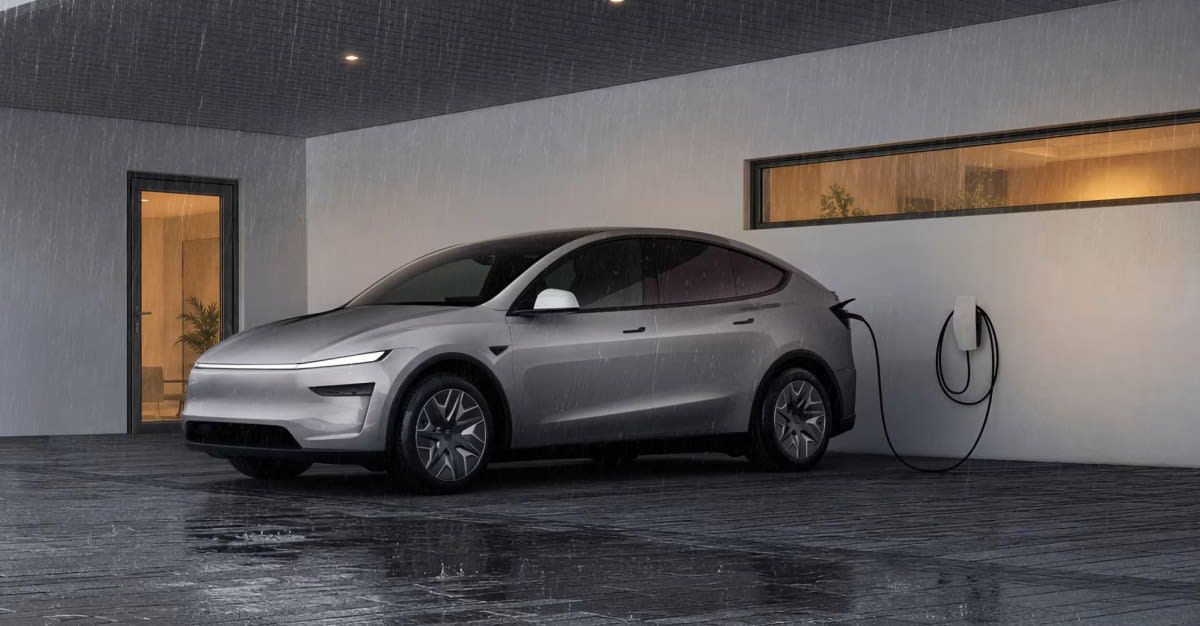
Tesla is expanding its Powershare Home Backup feature to include Model 3 and Model Y vehicles. This update allows these EVs to act as backup power sources for homes when paired with specific Tesla Powerwall hardware.
Tesla Expands Bidirectional Charging Capabilities
Tesla has officially announced the expansion of its Powershare Home Backup feature to include its most popular electric vehicles, the Model 3 and Model Y. Previously a feature exclusive to the Cybertruck, this update marks a significant shift in how Tesla integrates its EV fleet with residential energy storage solutions. By allowing these vehicles to discharge stored energy into a home during power outages, Tesla is effectively transforming its mass-market cars into mobile power stations, providing a vital layer of resiliency for homeowners.
Technical Requirements and Hardware Integration
The implementation of this feature is not universal; it requires a specific infrastructure to function. Users must own a Tesla Powerwall 3 to facilitate the bidirectional transfer of energy. While the current rollout focuses on the latest Powerwall iteration, Tesla has indicated that support for legacy units, specifically the Powerwall 2 and Powerwall Plus, is currently in development and expected to arrive soon. This phased approach suggests a focus on ensuring hardware compatibility and optimizing the software handshake between the vehicle’s battery management system and the home energy gateway.
Comparative Performance and Energy Capacity
When evaluating the utility of this technology, it is important to consider the variance in energy storage capacity. Tesla reports that the Model 3 and Model Y can provide backup power for over two days under typical conditions. This is a notable, albeit slightly lower, capacity compared to the Cybertruck, which Tesla claims can sustain a home for over three days. The difference is largely attributed to the physical size and chemistry of the battery packs involved, as the Cybertruck utilizes a significantly larger energy reservoir than the standard Model 3 or Model Y configurations.
Industry Context and Competitive Landscape
Tesla is by no means the first manufacturer to explore the potential of bidirectional charging. The concept of Vehicle-to-Home (V2H) or Vehicle-to-Grid (V2G) technology has been championed by various players in the automotive sector for years. Notably, the Nissan Leaf was an early pioneer of power-to-grid capabilities, while modern competitors like Kia and General Motors have integrated similar V2H features into their current lineups. Tesla’s move to standardize this across its fleet underscores a broader industry push to make EVs active participants in energy management rather than passive consumers of electricity.
Future Implications for Energy Resilience
The ability to tap into EV batteries for home backup represents a significant milestone in the decentralization of the power grid. As extreme weather events and grid instability become more frequent, the transition from centralized power reliance to distributed, vehicle-assisted home energy systems becomes increasingly attractive. By leveraging the large battery packs already present in millions of garages, manufacturers are providing consumers with a cost-effective way to enhance their energy independence. Moving forward, we can expect this technology to become a standard expectation for EV buyers, driving further innovation in grid-interactive home energy ecosystems.